Uncertain times internationally, local sales strong
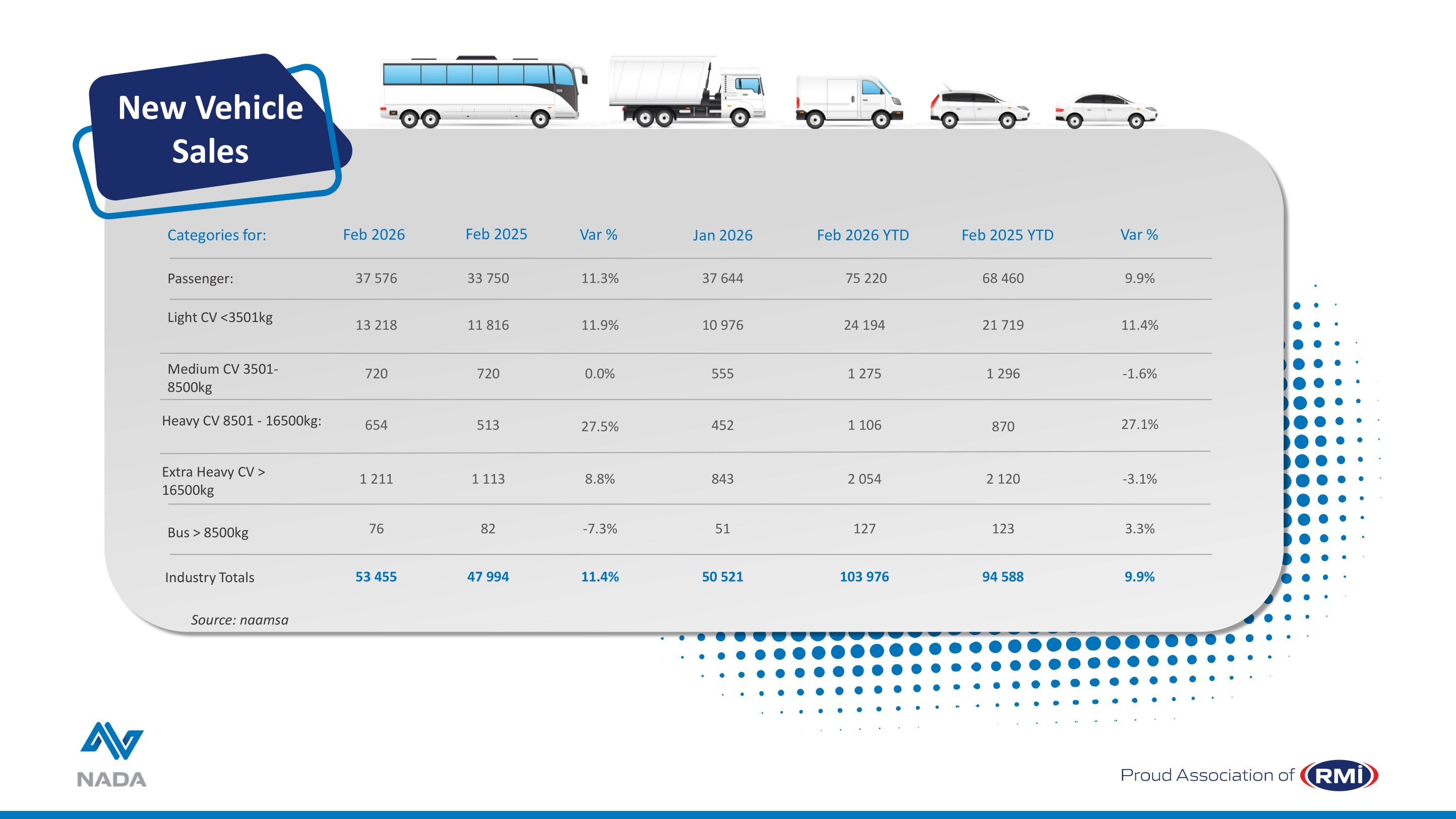
The new vehicle sales impetus that gathered steam in the second half of 2025 is continuing into 2026 with sales of 53 455 units being the highest reported since February 2013 and 11.4% higher than the figure for the same month a year ago.
Share with friends
This is most encouraging for a local industry which has been in the doldrums for most of the post-Covid period,” says Brandon Cohen, national chairperson of the National Automobile Dealers’ Association (NADA), after studying the February sales figures distributed by naamsa I The Automotive Business Council.
“This good news comes at a time when the world enters a new period of uncertainty brought on by the war in the Middle East. The regional unrest, which is reverberating globally, will be another factor to cause hardship, particularly in terms of higher transport and logistics costs and supply chain management.
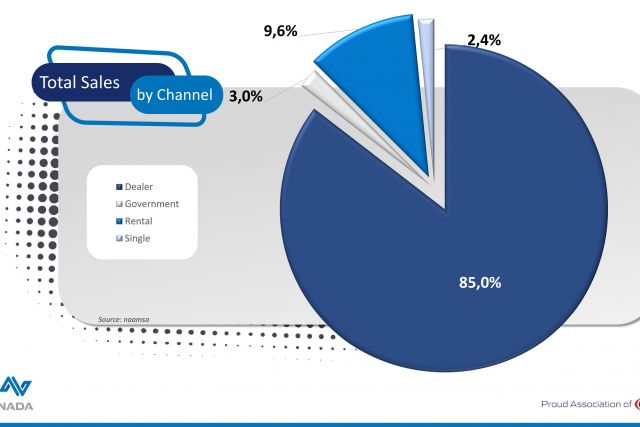
The rental industry again played an important role in boosting sales, taking 9.6% of total sales and an 11.5% share of the passenger car market. Sales through the dealer channels amounted to 85% of the total, with 3% going to the government and 2.4% to corporate fleets.
February is the financial year close-out for many corporates, with some squeezing deals in to take advantage of year-end budgets, while others prefer to wait until 1 March to transact in the new financial year. The growth seems sustainable, given the stable and lower interest rates which many private buyers are taking advantage of.
“The passenger car market was again buoyant with sales up 11.3% compared to February 2025. Light commercial vehicle sales were also strong, with 11.9% growth in a market that is increasingly competitive as new entrants enter the fight for customers. For a change both the medium and heavy truck markets were positive, with the former recording the same total as a year ago, while heavy truck sales were up 13.6%, which was most encouraging,” according to Brandon.
The NADA executive says that oil would be a cardinal player at this time of crisis and would have an effect on many aspects of life, pushing up both manufacturing and transport costs.
The effect will be felt locally this week as prices of petrol and diesel fuel rise (outside of the Middle East tensions), while increases arising from the recent budget will also be added in April.
“Although the next few months will look to inflation, interest rate numbers, fuel costs and even local government elections, for now consumer sentiment is strong, people are buying vehicles in the new and used space and they are protecting those assets with VAPS which is also a good sign,” he concludes.
As fuel prices continue to climb across South Africa, many motorists are beginning to question whether owning a car still makes financial sense. With in-land petrol prices now at R26.63 a litre and diesel costs rising sharply in May, transport expenses are placing growing pressure on household budgets.
Pinewood.AI has added two new embedded modules to its Business Intelligence Solution, giving dealers and OEMs greater insight into financial performance and the customer journey, it says.
Pinewood.AI has added two new embedded modules to its Business Intelligence Solution, giving dealers and OEMs greater insight into financial performance and the customer journey, it says.
Margins are shrinking, customers are under financial strain, and competition is intensifying across South Africa’s motor retail sector. Against this backdrop, dealerships are being forced to rethink how they remain profitable while still building customer trust and long term sustainability.
Ford will launch seven new models in Europe by 2029, it announced recently, as it seeks to grow its flagging passenger car sales, fend off fierce competition from Chinese rivals and maintain an edge in the continent's commercial vehicle market.