The upswing in new vehicle sales surprised, achieving sound double-digit growth. This surge was further underpinned by political stability and a significant easing of vehicle inflation, which hit a record low of 1.5%, the lowest since tracking began in 2008, as well as the influx of affordable models contributing to the intensely competitive trading environment in the country.
The 2025 sales growth signalled specific economic shifts:
Expanding credit: Improved liquidity and lower interest rates led to a revival in credit extension for vehicle financing.
Pent-up demand: Consumers who had delayed purchases between 2021 and 2024 entered the market simultaneously, seeking to replace ageing models.
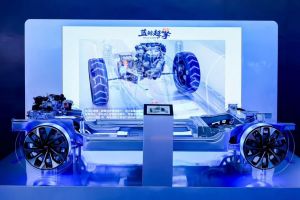
Technological transition: A continuous shift towards New Energy Vehicles (NEVs) saw year-to-date sales by November 2025 already exceeding the full-year 2024 performance.
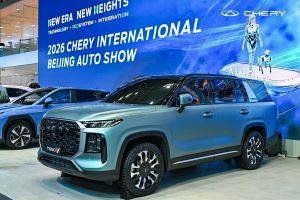
Influx of vehicle imports: A significant influx of affordable vehicle imports in 2025, particularly from China and India, which, combined with lower inflation and interest rate cuts, dramatically enhanced new car sales, challenging domestic OEMs but satisfying consumer demand.
Vehicle exports in 2025 reached 408 224 units, representing a gain of 4.4% compared to 2024, breaching the 400 000-unit mark for the first time ever. The industry continues to monitor the European market, where a softening of the 2035 deadline to a 90% CO₂ cut (rather than 100%) provides a marginal reprieve for OEMs navigating the NEV transition race.
Naamsa emphasises that this regulatory reprieve should not be misconstrued as an opportunity for policy inertia or a relaxation of the requisite strategic pivot, as the transition to clean mobility remains an existential priority, necessitating a sustained and accelerated policy review to safeguard South Africa's export competitiveness.
Furthermore, the export landscape remains complex; whilst South Africa is a regional leader, global geopolitical tensions and trade barriers are assessed as tilted to the downside. Specifically, re-emergent tensions between South Africa and the US administration remain a source of potential volatility.
The exclusion of South Africa from the 2026 G20 gathering and legislative moves proposing a two-year AGOA extension that might explicitly exclude South Africa are being monitored closely due to the industry's significant export exposure.
What about the forecast for 2026?
The full impact of 2025's interest rate relief and lower inflation – expected to average 3.3% – points towards a further boost in consumer disposable income for 2026. The South African Reserve Bank projects real GDP growth for 2026 at around 1.4% to 1.6%, supported by ongoing structural reforms in electricity and transport through Operation Vulindlela.
The new vehicle market momentum is upward, and 2026 new vehicle sales are poised for a further upper single digit to lower double-digit improvement of 9% to 11% over 2025 levels.
Globally, geopolitical shifts remain a focal point; China's domestic vehicle sales decline is expected to drive a continued "Affordability Influx" as their manufacturers look outward for growth. Whilst the US economy presents uncertainties, the industry remains focused on securing its competitive position in the EU, South Africa's most crucial export regional destination by far.
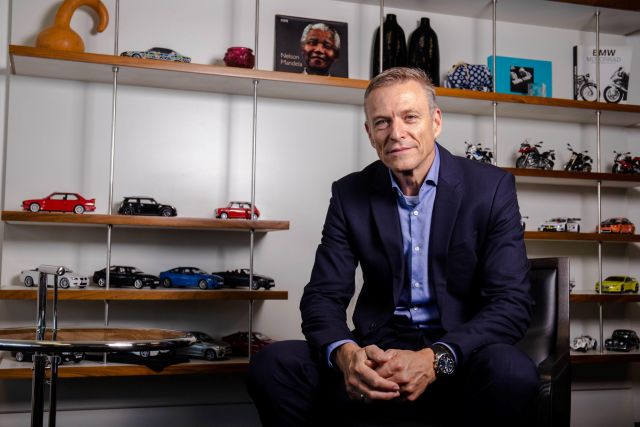
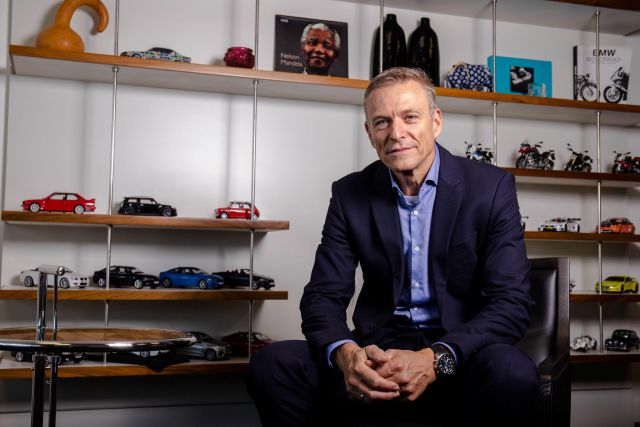
As the industry navigates this defining period of structural transformation, naamsa announced the leadership of its newly elected Board. Led by Peter van Binsbergen, CEO of BMW Group South Africa (photo), who assumes the role of President, the Board reflects a commitment to representative and future-focused governance. His leadership arrives at a pivotal moment as the sector manages the NEV transition, intensifying geopolitical risks, and evolving global value chains.
The Board further includes:
- Vice-President (Manufacturing): Andrew Kirby (Toyota South Africa Motors).
- Vice-President (Retailing): Thato Magasa (Mitsubishi Motors South Africa).
- Vice-President (Heavy Commercial): Jan Aichinger (MAN Automotive South Africa).
- Immediate Past President: Billy TOM (Isuzu Motors South Africa).