The White House says the European Union (EU) has not met commitments under that agreement, while the European Commission (EC) rejects the accusation and warns it will keep its options open to protect EU interests if Washington breaks the terms.
The key point for motorists and manufacturers is simple: the proposed tariff is aimed at vehicles that are imported from the EU, not at “traditional European brands” specifically. In trade terms, it is driven by origin (where a vehicle is manufactured), not the marque.
So which vehicles are actually in the firing line?
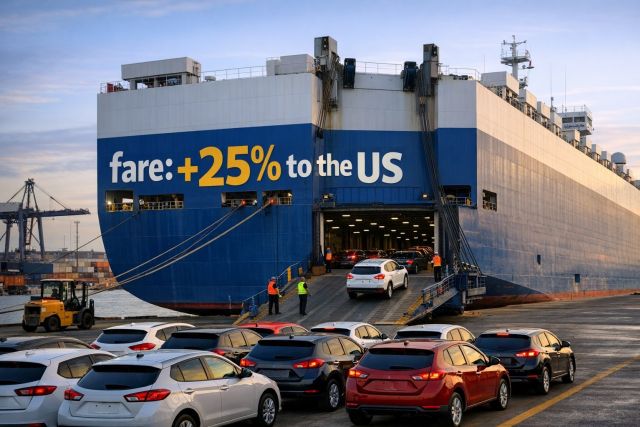
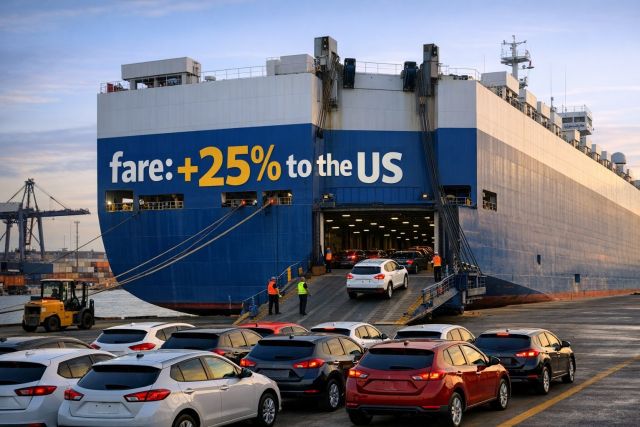
If implemented as described, the higher tariff would apply to cars and light trucks built in EU member states and shipped into the US. That captures a broad range of vehicles assembled across Europe’s major production hubs, including Germany and Slovakia, as well as Italy, Sweden, Austria, Hungary, Belgium, France, Finland and Spain, among others.
It also means the policy could hit more than the familiar roll-call of European badges. Any manufacturer exporting EU-built vehicles to the US could be affected, even if the parent company is not European, provided the vehicle’s manufacturing origin is within the EU. Conversely, a European brand producing a model in the United States would not face this specific import tariff on those US-built vehicles.
Trump has made that distinction explicit, saying there would be no tariff if companies produce cars and trucks in US plants, framing the move as an attempt to accelerate onshoring and factory investment.
Why 25%, and why now?
The threatened increase revives a long-running transatlantic dispute over autos and industrial tariffs. Reports indicate the administration plans to act under Section 232 national security authority, a legal route that has previously been used to justify higher duties on imported vehicles and parts. That matters because it can allow rapid changes in tariff rates without the same kind of congressional process required for conventional trade legislation.
Politically, the announcement lands amid broader strains in US–EU relations and renewed debate in Europe over how far to go in implementing the Turnberry commitments, some of which require EU legislative steps.
What happens next?
If the tariff hike takes effect, exporters of EU-built vehicles are likely to face an immediate cost increase, with knock-on effects for pricing, model availability and profit margins. Brussels could respond with retaliatory measures, raising the risk that a dispute focused on cars spills into other sectors and further destabilises already tense trade relations.