The initiative, announced through the Japan Automobile Manufacturers Association (JAMA), will initially concentrate on steel, resins and wire harnesses. The intention is to establish common standards for materials and components that are widely used in vehicle production but do not necessarily distinguish one manufacturer's products from another.
According to JapanToday, the broader objective is to reduce costs through cooperation between manufacturers, allowing them to direct more resources towards developing next-generation vehicles and technologies.
The initiative is particularly relevant to Toyota, Nissan and Honda, three of Japan's largest vehicle manufacturers, as they face growing competition from Chinese brands that have made significant advances in vehicle technology, production efficiency and international market expansion.
JAMA chairman and Toyota Motor Corporation vice chairman Koji Sato said the initial areas had been selected in response to concerns raised by people working directly in the industry.
"We decided to start with these areas in response to concerns raised by on-site people," Sato said. "We want to enable automakers to allocate more management resources to areas where they can enhance their competitiveness," he states.
Steel and resins are widely used in vehicle bodies and interiors. For steel, the association intends to standardise the types of steel sheets used, while for resins it wants to align recycling-related evaluation criteria that currently differ between manufacturers.
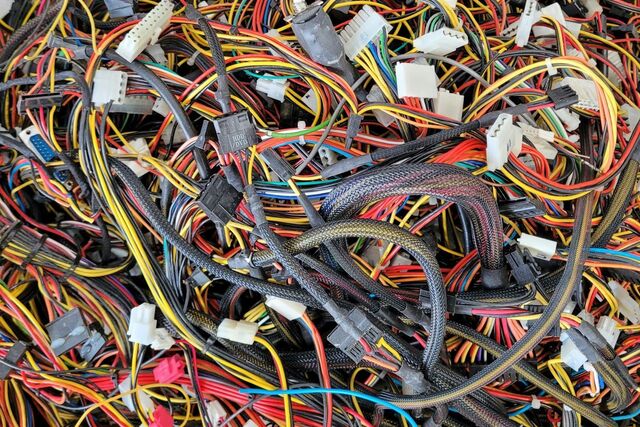
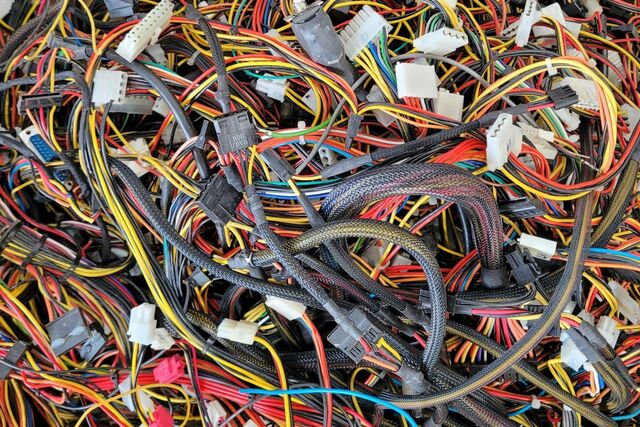
Wire harnesses are another important consideration. These assemblies bundle the electrical cables used throughout vehicles, and the industry currently has approximately 70 000 different types. Reducing the number of variations could simplify manufacturing and procurement while creating opportunities for greater production efficiencies.
The initiative also involves cooperation with the Japan Auto Parts Industries Association, recognising the important role suppliers will play in implementing common specifications.
There could be benefits for suppliers through larger production orders and more consistent requirements. However, analysts have also warned that standardisation could intensify price competition by making it harder for component manufacturers to differentiate their products.
The wider motivation is the enormous investment required to develop electric vehicles, autonomous driving systems and software-defined vehicles. Japanese manufacturers are increasingly recognising that cooperation in selected areas could help them compete more effectively without compromising their individual vehicle brands.
- Photo by Nathan Cima on Unsplash