Toyota CEO on the local motor industry’s challenges
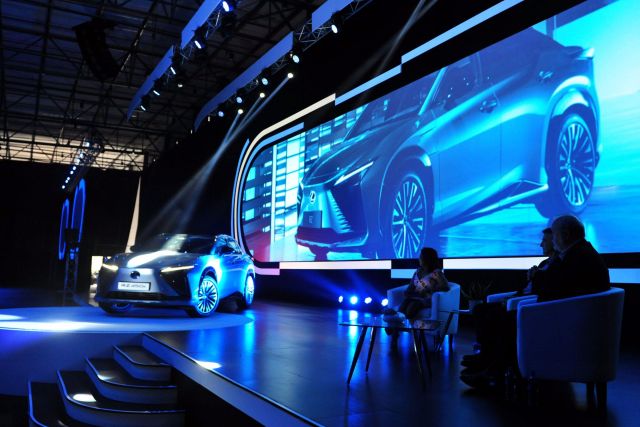
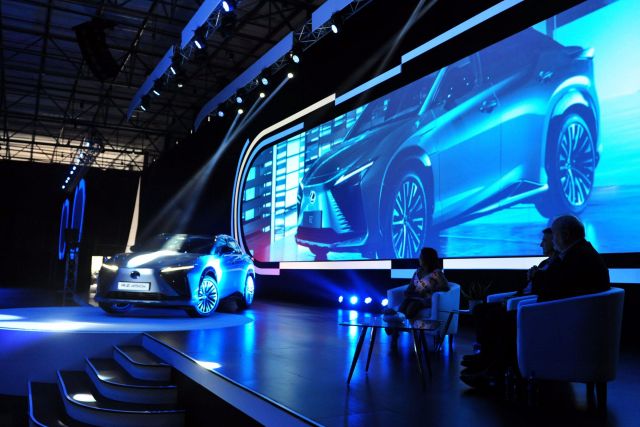
At Toyota South Africa Motors’ (TSAM) seventh instalment of the State of the Motor Industry (Somi) event held at Kyalami, the manufacturer showcased some exciting new products earmarked for the local market.
Share with friends
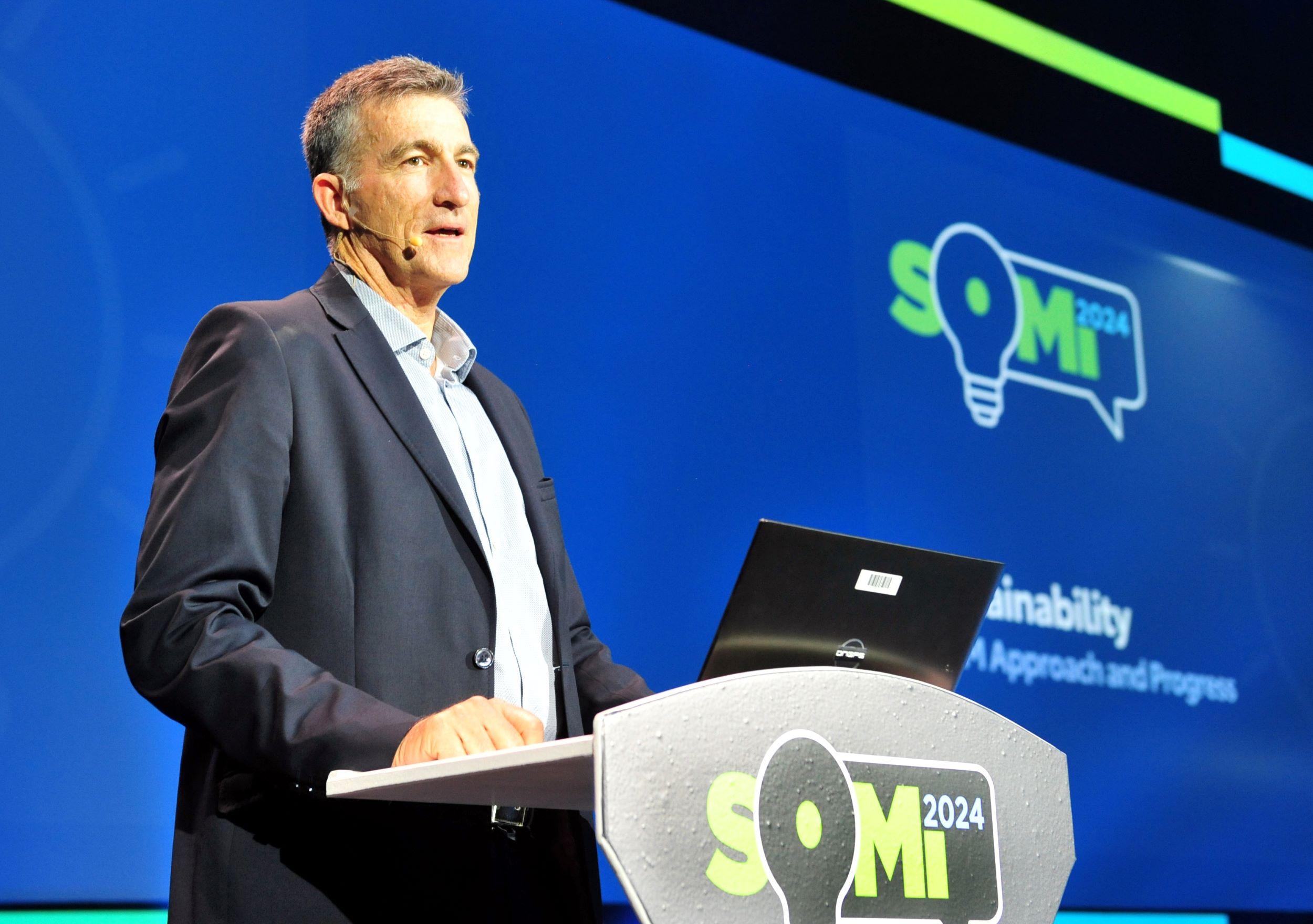
A multilayered activation, the event provided the perfect platform for TSAM’s President and CEO, Andrew Kirby, to sketch the true state of the motor industry from the unique vantage point of SA’s most popular automotive brand.
Citing monetary and structural challenges such as an elevated repo rate (8.5% in 2023), a depreciating rand (13% down on the dollar last year), a record-breaking 332 days with load-shedding, and up to a five-week backlog at the country’s ports, Andrew made it clear that these factors negatively impacted GDP and therefore concomitantly business confidence as well.
This was reflected in the automotive sales for 2022 – the first quarter started off really positively and the industry was on track to achieve the 570 000 prediction made by Toyota at last year’s Somi. However, sales started to stagnate, especially after the second half of the year and this meant that the final tally for the year was 532 098 – just 0.5% up on 2022’s numbers.
Andrew Kirby, TSAM’s President and CEO.
Nevertheless, there are still some positives – South Africa is seen as a very competitive car market as evidenced by the number of new entrants entering the market last year. There were two all-new passenger brands, three in LCV and two in commercial that established themselves in SA in this period.
Even more compelling was the number of new individual models that were added – the big increases coming in the most popular segments namely B and Sub-B, which saw an additional 12 new variants (an indicator of the appetite for vehicles at the affordable end of the market), five in Double Cab and a staggering 29 in the Extra Heavy Commercial Vehicle space. The last-mentioned can be directly attributed to the logistical issues facing South Africa, particularly in rail transport.
The other interesting content that he shared related to the source countries for imported models. Not surprisingly, the big winners here are India and China, with India accounting for 42% of all the passenger cars sold in this country. This is up from 28% in 2022. China has also experienced a big growth spurt – going from a 3% share of the imported market to 9%. There has also been a corresponding rise in the number of models from these countries – India going from 34 models to 44 and China upping its model quota from 10 to 15.
In line with global trends, South Africa experienced heightened demand for New Energy Vehicles with a 65% volume increase in 2023, but this is off a relatively small base – total number of NEVs sold totalled 7 693. As expected, by far the biggest volume contributors come from hybrid variants (84%).
With the launch of what is believed to be the first South African app in ChatGPT, Naked is signalling how AI assistants could reshape financial services.
Ford South Africa will expand its Everest line-up in late 2026 with the arrival of the Everest Tremor. This new variant is positioned as a more off-road capable model, building on the success of the Ranger Tremor while retaining the refinement expected from the Everest range.
With the launch of what is believed to be the first South African app in ChatGPT, Naked is signalling how AI assistants could reshape financial services.
Mazda Southern Africa has promoted Kyron Pather to Head of Operations (Sales & Service). The appointment strengthens the company's operational leadership as it looks to improve performance across its dealer network and aftersales business.
Nampo Harvest Day near Bothaville in the Free State has always been the place where South Africa’s farming community gathers to see the latest machinery and, importantly, new bakkies.