

Supply Chain fragility exposed by Middle East crisis
The conflict in the Middle East has thrown global supply chains into disarray, exposing the risks of over-reliance on concentrated hubs.
- Industry News
- 10 April 2026
Toyota Motor Corp plans to produce about 10.3 million vehicles globally in 2024, breaking its record annual production for the second consecutive year, the Nikkei reported.
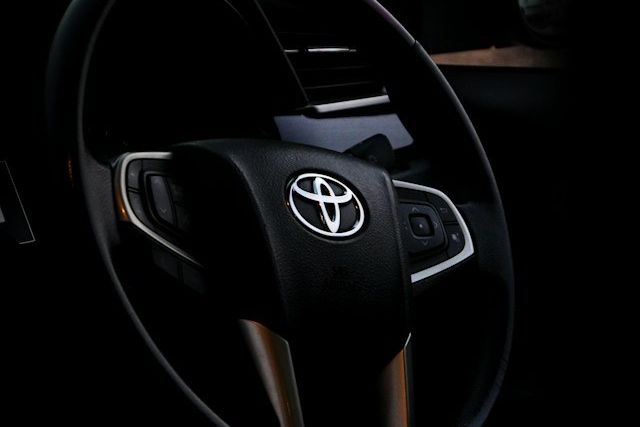
Toyota is preparing to increase production thanks to strong sales of hybrid vehicles. The shortage of automotive semiconductors and other components is also easing, the Nikkei says.
For the calendar year to December, the world's biggest automaker by sales aims to produce 3.4 million vehicles in Japan and 6.9 million overseas, the report said. The figures include its luxury Lexus brand.
The report was not something the company had announced, a Toyota spokesperson said without commenting further.
Toyota will target an annual output of over 10.5 million vehicles, Nikkei says. It added that the company set electric vehicle production levels at approximately 250 000 vehicles in 2024 and 600 000 units in 2025.
Toyota produced 9.2 million vehicles during the first 11 months of 2023, it said last month. Around a third of the vehicles it sold worldwide over that period were gasoline-electric hybrids.
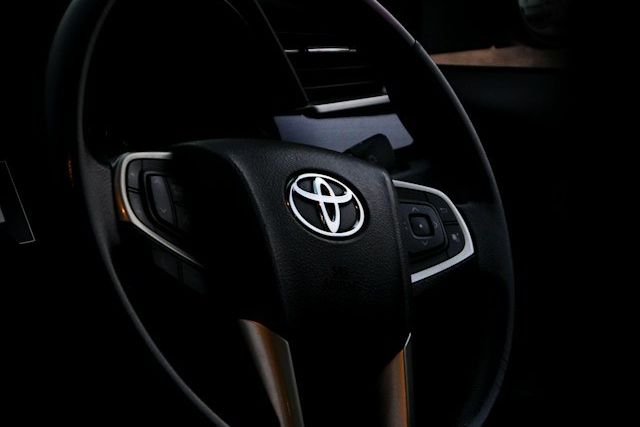
The conflict in the Middle East has thrown global supply chains into disarray, exposing the risks of over-reliance on concentrated hubs.
Kia has taken a bold step into one of South Africa’s most competitive automotive segments with the launch of the Tasman, its first-ever double cab bakkie.
Volkswagen Group Africa (VWGA) has reached another major milestone with the production of the 500 000th unit of the current Polo for the export market.
 Advertisement
Advertisement
Advertisement
You can't buy happiness but you can buy cars and that's kind of the same thing.
Unknown
The conflict in the Middle East has thrown global supply chains into disarray, exposing the risks of over-reliance on concentrated hubs.
Volkswagen Group Africa (VWGA) has reached another major milestone with the production of the 500 000th unit of the current Polo for the export market.
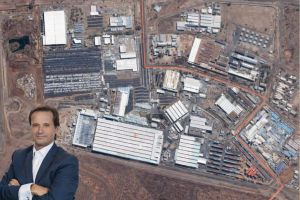
Nissan South Africa has agreed to sell its Rosslyn production facility after 60 years of operation. The plant, which produced models such as the 1400 ‘Champ’ bakkie, NP200 and Navara, was acquired by Chery SA. The Chinese automaker has sold over 80,000 vehicles locally since 2021 and is now strengthening its African presence.