Top recognition for Volvo’s new multi‐adaptive safety belt
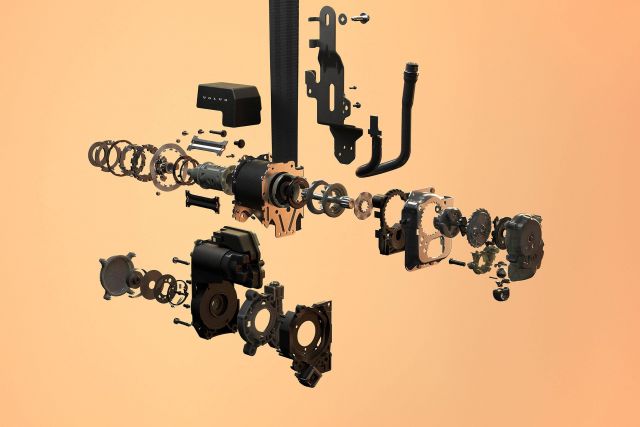
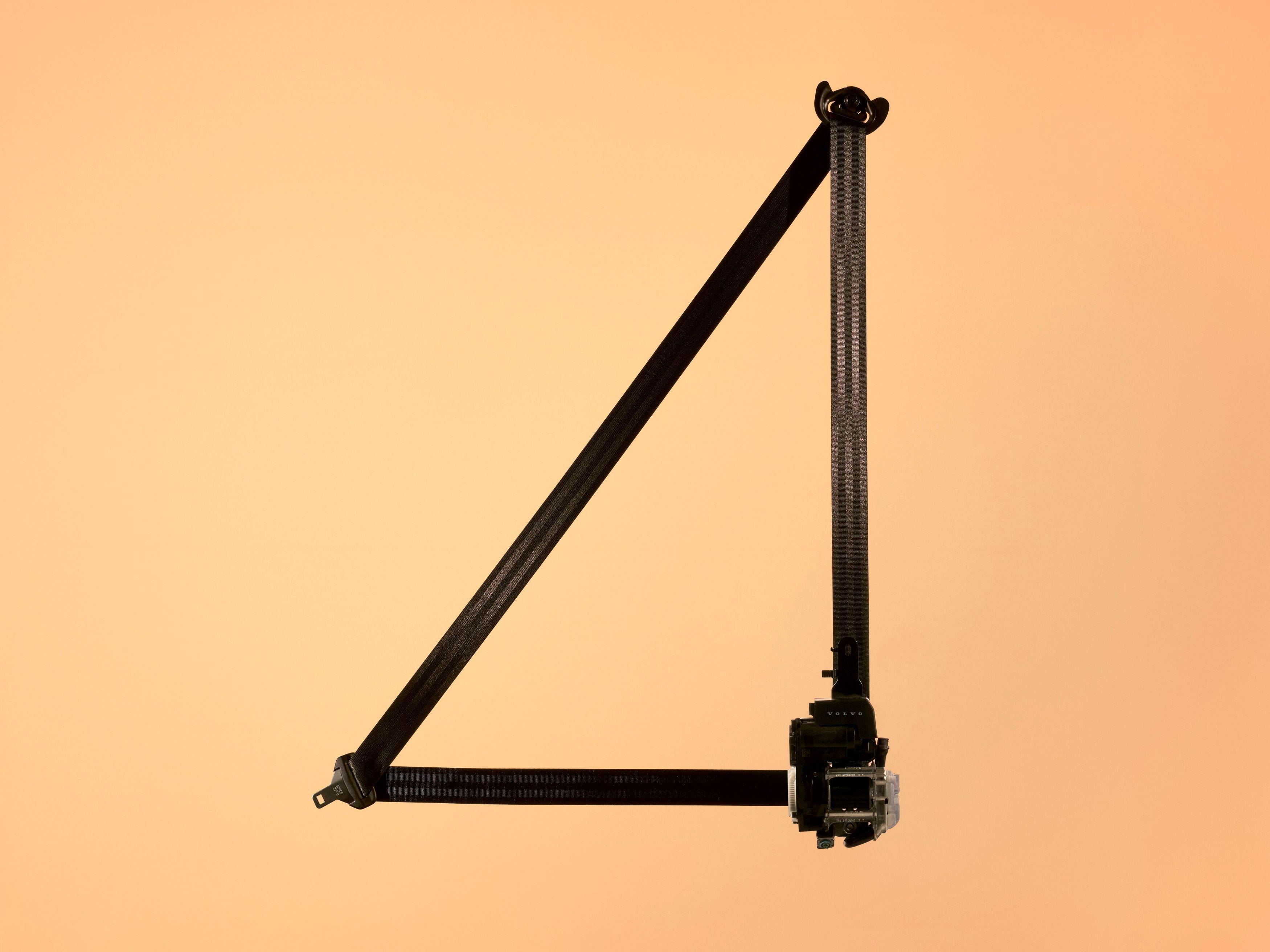
Volvo is continuing its legacy as a leader in safety innovations for vehicles with is new multi-adaptive safety belt, which was also recognised by TIME magazine as one of the Best Inventions of 2025
Share with friends
The new seatbelt is set to debut in Volvo Cars’ soon-to-be-revealed fully electric EX60 SUV.
This achievement follows Volvo’s success with the invention of the world’s first three-point safety belt in 1959 by the Volvo engineer, Nils Bohlin.
Volvo decided in 1959 to share the three-point safety belt with all other car manufacturers so that this life-saving technology can be used universally. This invention is credited with saving millions of lives worldwide.
The new multi-adaptive safety belt is designed to protect occupants even better by adapting to the traffic conditions and the person wearing it.
Leveraging real-time data from the car’s advanced interior and exterior sensors, the system can customise protection by adjusting to the current situation and the unique personal profile of drivers and passengers, such as their height, weight, body shape and seating position.
For example, a larger occupant in a severe crash will receive a higher belt load setting to help reduce the risk of head injury, while a smaller occupant in a milder crash will receive a lower belt load setting to reduce the risk of rib fractures.
The capabilities of the new multi-adaptive safety belt are designed to continuously improve through over-the-air software updates. As Volvo Cars gathers more insights, the car can improve its understanding of the occupants, new scenarios and response strategies.
Last year, another Volvo Cars safety feature was named one of TIME’s Best Inventions of 2024. The pioneering Driver Understanding System, available in the Volvo EX90 and ES90, uses real-time sensing technology to help detect if a driver is impaired, tired or distracted, so the car can step in to provide support if needed.
The new safety belt will be introduced in the upcoming Volvo EX60, which will be revealed to the world on 21 January 2026 during a livestreamed event from Stockholm, Sweden.
The Kia Carens nameplate makes its return to South Africa, this time as a seven‑seater designed with families in mind. It combines Sport Utility Vehicle (SUV) styling with Multi-Purpose Vehicle (MPV) practicality, offering space, comfort and efficiency, Kia says.
Volvo has confirmed that its vehicles will now integrate Google’s Gemini artificial intelligence system. This development builds on the company’s existing collaboration with Google, which already provides Android Automotive OS and Google services in Volvo models.
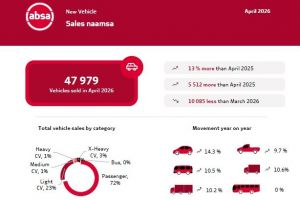
New vehicle sales in 2026 continued their positive trend in April, with the 47 979 units sold marking the best April figure since 2013. This represents a remarkable performance by local automotive retailers despite a host of economic headwinds and a challenging trading environment.
Volvo has confirmed that its vehicles will now integrate Google’s Gemini artificial intelligence system. This development builds on the company’s existing collaboration with Google, which already provides Android Automotive OS and Google services in Volvo models.
New vehicle sales in 2026 continued their positive trend in April, with the 47 979 units sold marking the best April figure since 2013. This represents a remarkable performance by local automotive retailers despite a host of economic headwinds and a challenging trading environment.
April 2026 marked a turning point in South Africa’s economic landscape, as global energy markets were jolted by escalating geopolitical tensions in the Middle East, according to naamsa | The Automotive Business Council.