Top recognition for Volvo’s new multi‐adaptive safety belt
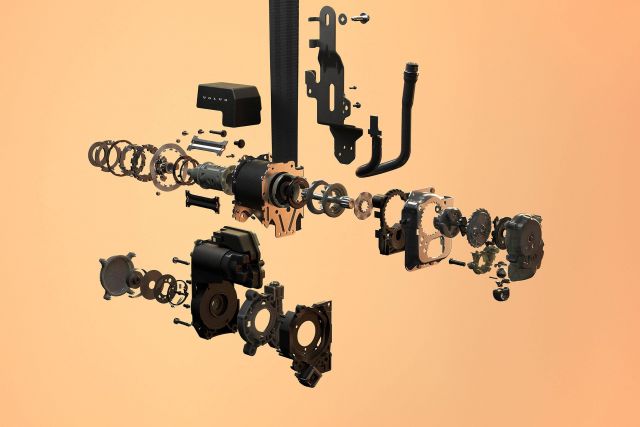
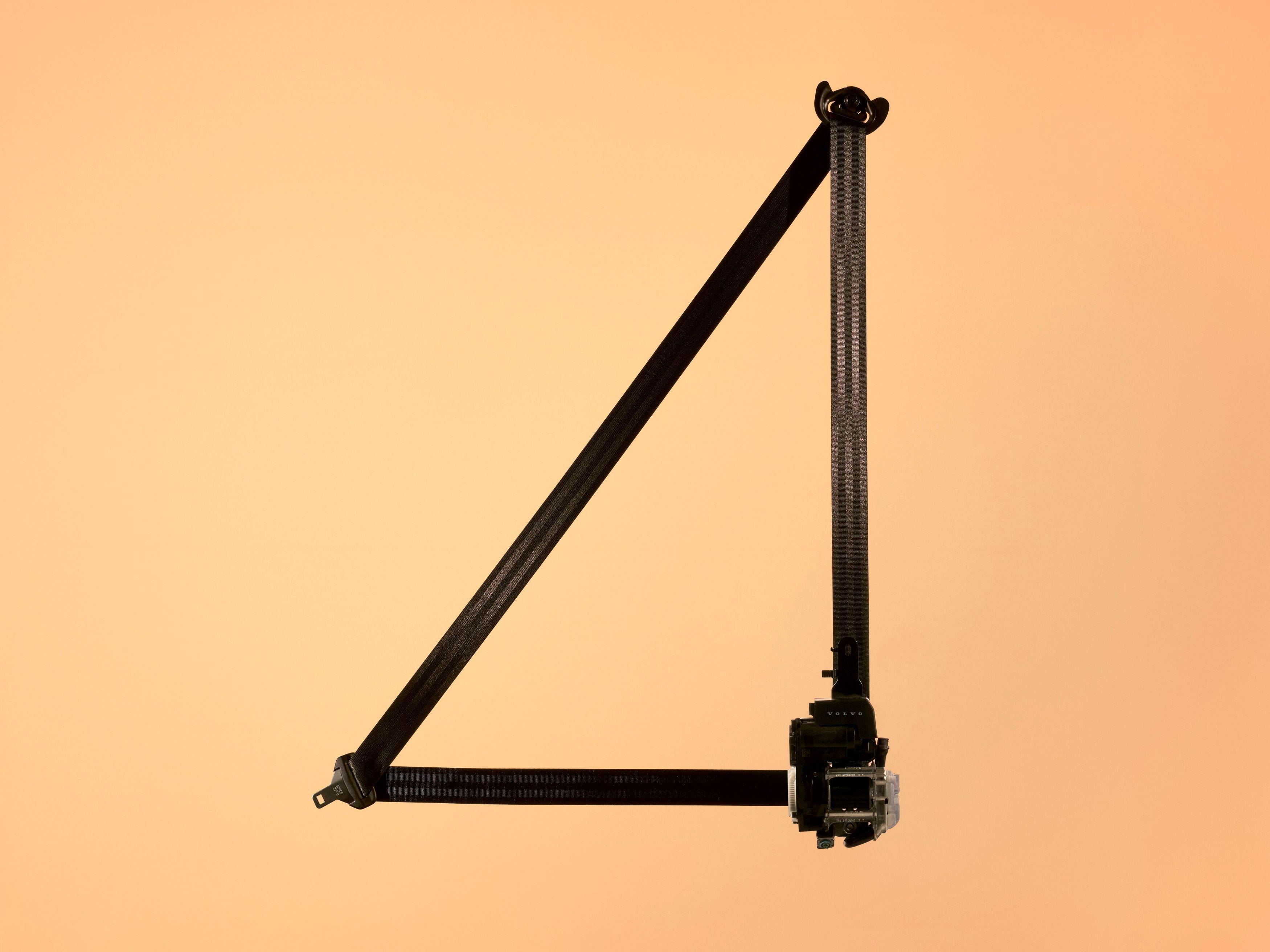
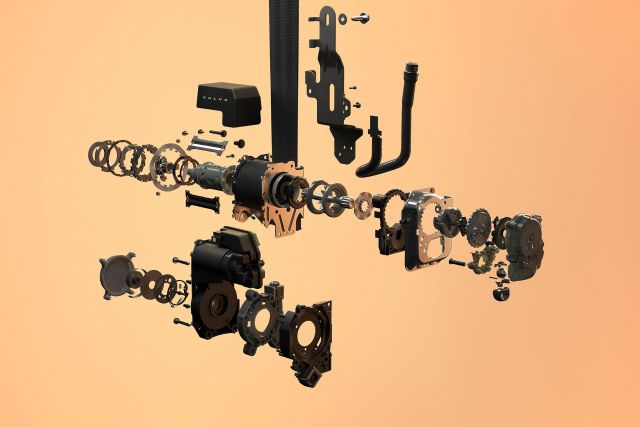
Volvo is continuing its legacy as a leader in safety innovations for vehicles with is new multi-adaptive safety belt, which was also recognised by TIME magazine as one of the Best Inventions of 2025
Share with friends
The new seatbelt is set to debut in Volvo Cars’ soon-to-be-revealed fully electric EX60 SUV.
This achievement follows Volvo’s success with the invention of the world’s first three-point safety belt in 1959 by the Volvo engineer, Nils Bohlin.
Volvo decided in 1959 to share the three-point safety belt with all other car manufacturers so that this life-saving technology can be used universally. This invention is credited with saving millions of lives worldwide.
The new multi-adaptive safety belt is designed to protect occupants even better by adapting to the traffic conditions and the person wearing it.
Leveraging real-time data from the car’s advanced interior and exterior sensors, the system can customise protection by adjusting to the current situation and the unique personal profile of drivers and passengers, such as their height, weight, body shape and seating position.
For example, a larger occupant in a severe crash will receive a higher belt load setting to help reduce the risk of head injury, while a smaller occupant in a milder crash will receive a lower belt load setting to reduce the risk of rib fractures.
The capabilities of the new multi-adaptive safety belt are designed to continuously improve through over-the-air software updates. As Volvo Cars gathers more insights, the car can improve its understanding of the occupants, new scenarios and response strategies.
Last year, another Volvo Cars safety feature was named one of TIME’s Best Inventions of 2024. The pioneering Driver Understanding System, available in the Volvo EX90 and ES90, uses real-time sensing technology to help detect if a driver is impaired, tired or distracted, so the car can step in to provide support if needed.
The new safety belt will be introduced in the upcoming Volvo EX60, which will be revealed to the world on 21 January 2026 during a livestreamed event from Stockholm, Sweden.
Many forward-thinking individuals propose that autonomous vehicles will improve road safety as problematic driver behaviour, which contributes to 90% plus crashes, will be eliminated. A recent incident may cause some to doubt this, however.
Motorists travelling over the Easter period can expect heavy traffic across South Africa’s road network, with authorities warning that routes to Limpopo will come under particular pressure as thousands of pilgrims make their way to Moria.
Many forward-thinking individuals propose that autonomous vehicles will improve road safety as problematic driver behaviour, which contributes to 90% plus crashes, will be eliminated. A recent incident may cause some to doubt this, however.
Motorists travelling over the Easter period can expect heavy traffic across South Africa’s road network, with authorities warning that routes to Limpopo will come under particular pressure as thousands of pilgrims make their way to Moria.