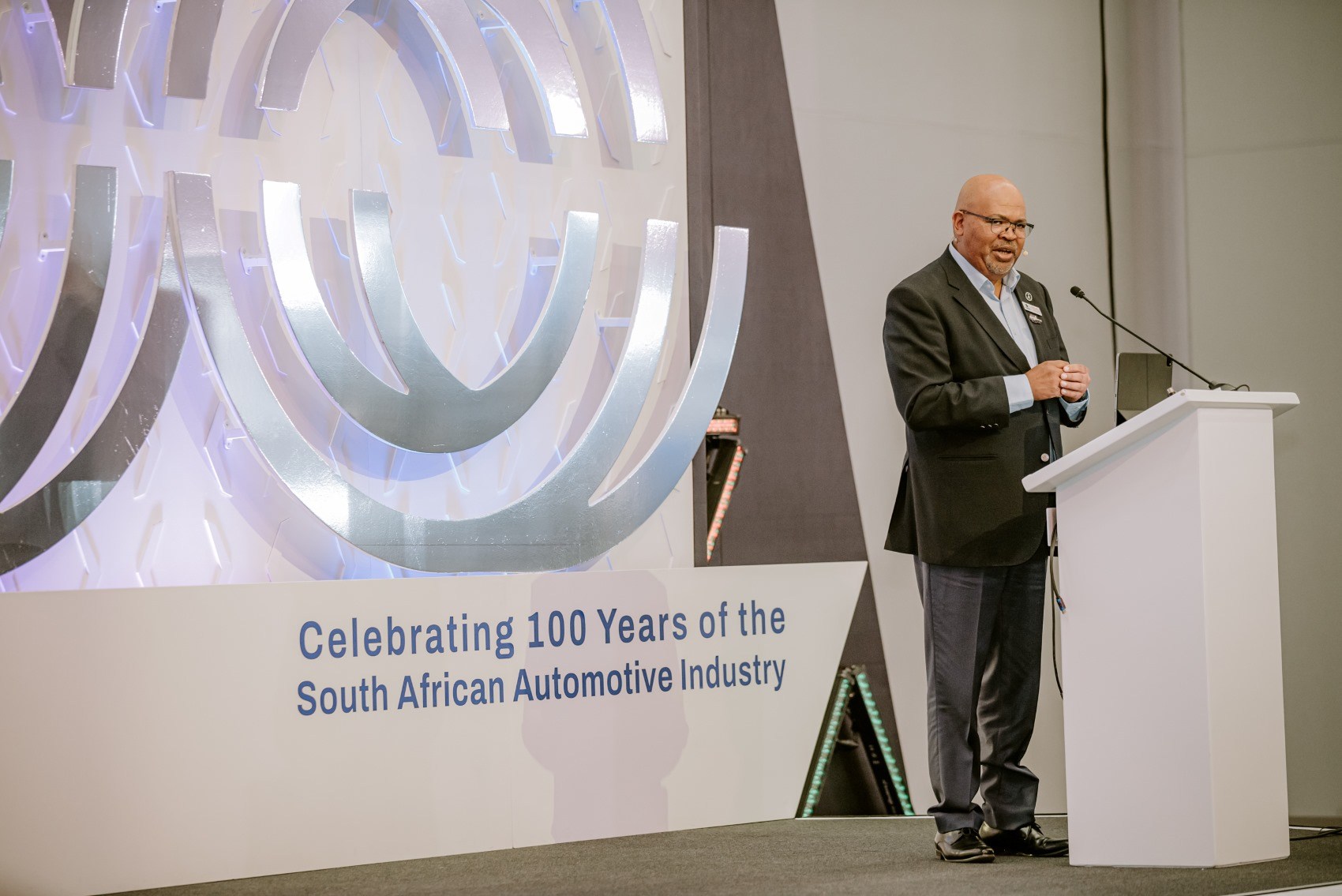
Zero Carbon Charge (CHARGE) welcomes President Ramaphosa’s announcement that government is considering introducing new electric vehicle (EV) incentives during his address at SA Auto Week 2024 held in Cape Town.
Share with friends
He indicated these incentives could include tax rebates for consumers who currently face a 25% tax on EVs compared to the 18% on internal combustion vehicles, which would help accelerate the adoption of EVs and South Africa’s just energy transition.
While this news is welcome, in order for EVs to contribute towards a reduction in our country’s carbon emissions, they need to be powered by green energy sources. CHARGE’s own research shows that an EV charged from Eskom’s predominantly coal-powered grid indirectly emits 5.8 tonnes of CO2
per year compared to a petrol-driven car, which emits 4.4 tonnes per year.
“The development of an off-grid, renewably powered EV-charging network is the only viable option for South Africa to meet its carbon-reduction goals. It will also play a vital part in meeting the Department of Transport’s target of net-zero transport by 2050,” says Joubert Roux, Executive Chairman of CHARGE.
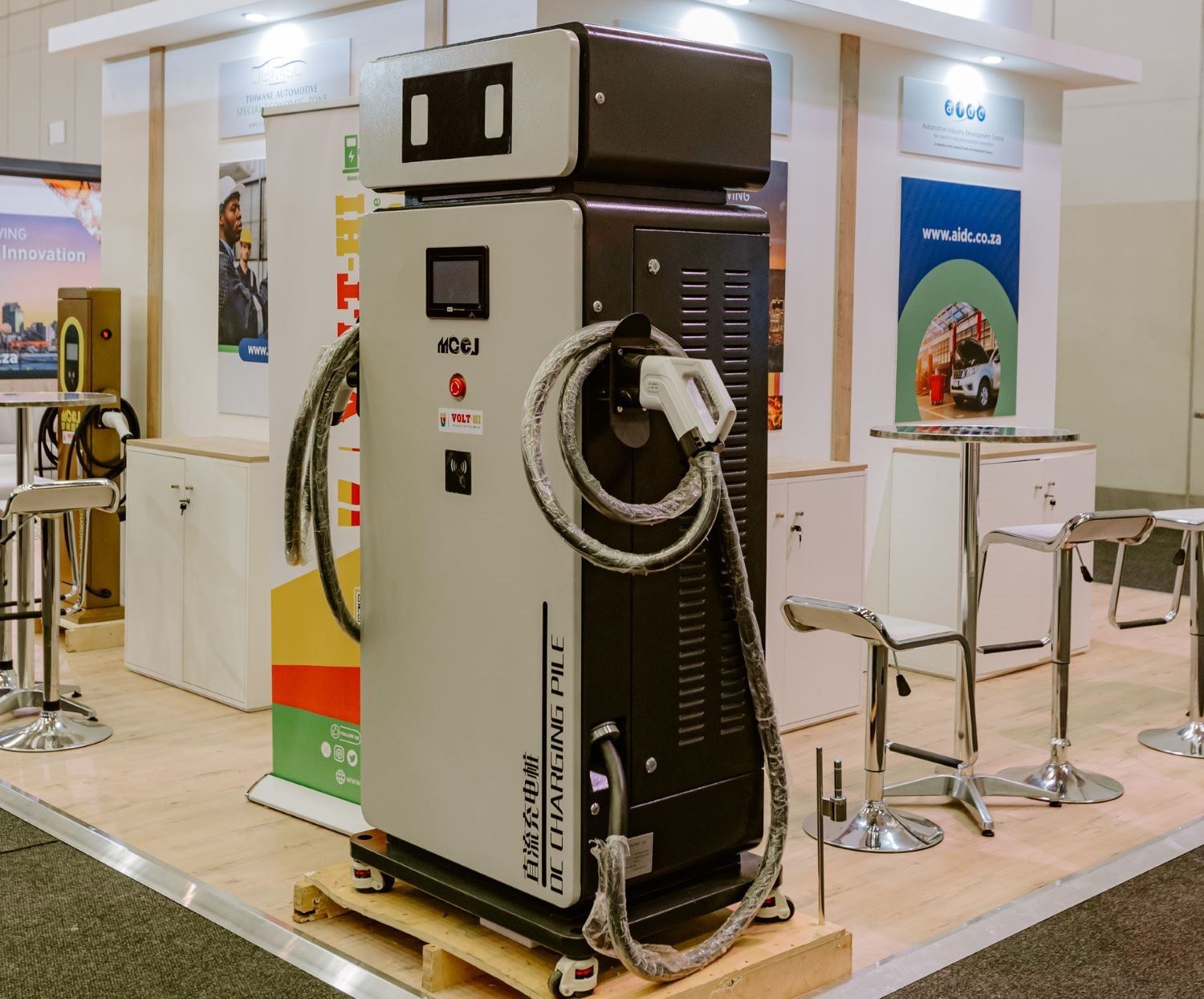
CHARGE is currently developing a network of 120 solar-powered, off-grid charging stations for electric passenger and light commercial vehicles, as well as 120 charging stations for electric trucks. These stations, which will be located on major highways across the country, will be loadshedding-proof and equipped with ultra-fast charging technology.
“This project is a large-scale, national carbon emission reduction initiative that can contribute towards our country’s just energy transition. CHARGE estimates that if we fully migrate the vehicle fleet currently registered on government’s E-NATIS system to electric vehicles charged with solar power, we could reduce the country’s carbon emissions by over ninety-seven million (97 000 000) tonnes of CO2e per year,” added Roux.
“CHARGE looks forward to hearing more details about the EV incentives to be introduced by President Ramaphosa. We hope that any government strategy to encourage a transition to EVs will prioritise the reduction of red tape currently hampering the development of off-grid EV-charging stations on our roads. CHARGE remains committed to working with government to create a green, sustainable transport sector in South Africa,” he concludes.
The Kia Carens nameplate makes its return to South Africa, this time as a seven‑seater designed with families in mind. It combines Sport Utility Vehicle (SUV) styling with Multi-Purpose Vehicle (MPV) practicality, offering space, comfort and efficiency, Kia says.
Volvo has confirmed that its vehicles will now integrate Google’s Gemini artificial intelligence system. This development builds on the company’s existing collaboration with Google, which already provides Android Automotive OS and Google services in Volvo models.
New vehicle sales in 2026 continued their positive trend in April, with the 47 979 units sold marking the best April figure since 2013. This represents a remarkable performance by local automotive retailers despite a host of economic headwinds and a challenging trading environment.
Volvo has confirmed that its vehicles will now integrate Google’s Gemini artificial intelligence system. This development builds on the company’s existing collaboration with Google, which already provides Android Automotive OS and Google services in Volvo models.
New vehicle sales in 2026 continued their positive trend in April, with the 47 979 units sold marking the best April figure since 2013. This represents a remarkable performance by local automotive retailers despite a host of economic headwinds and a challenging trading environment.
April 2026 marked a turning point in South Africa’s economic landscape, as global energy markets were jolted by escalating geopolitical tensions in the Middle East, according to naamsa | The Automotive Business Council.