

Hatfield Motor Group takes top honours at Audi Dealer Awards
Audi South Africa honoured the outstanding achievements of its national dealer network at the annual Audi Vorsprung Awards.
- Dealer News
- 28 April 2026
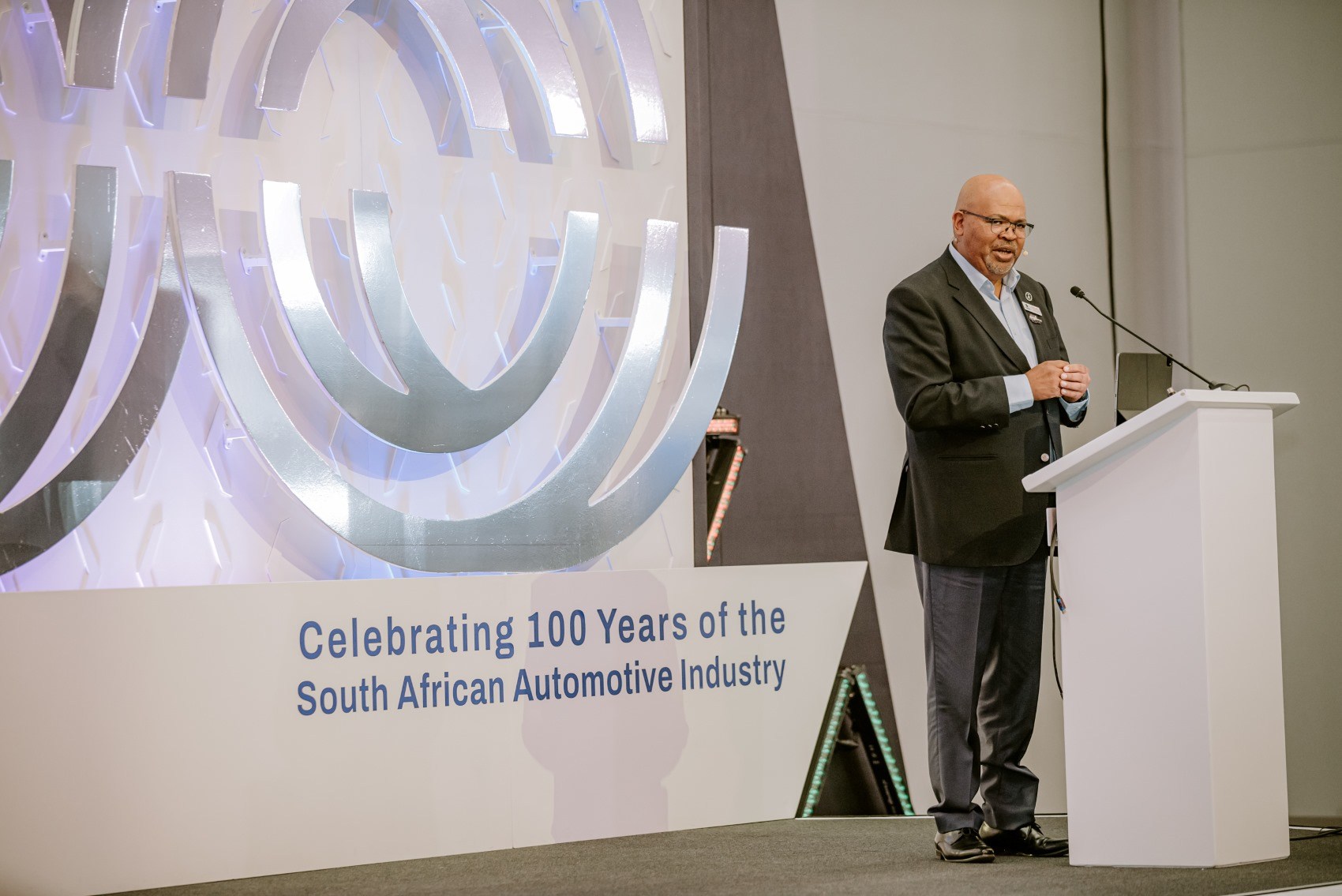
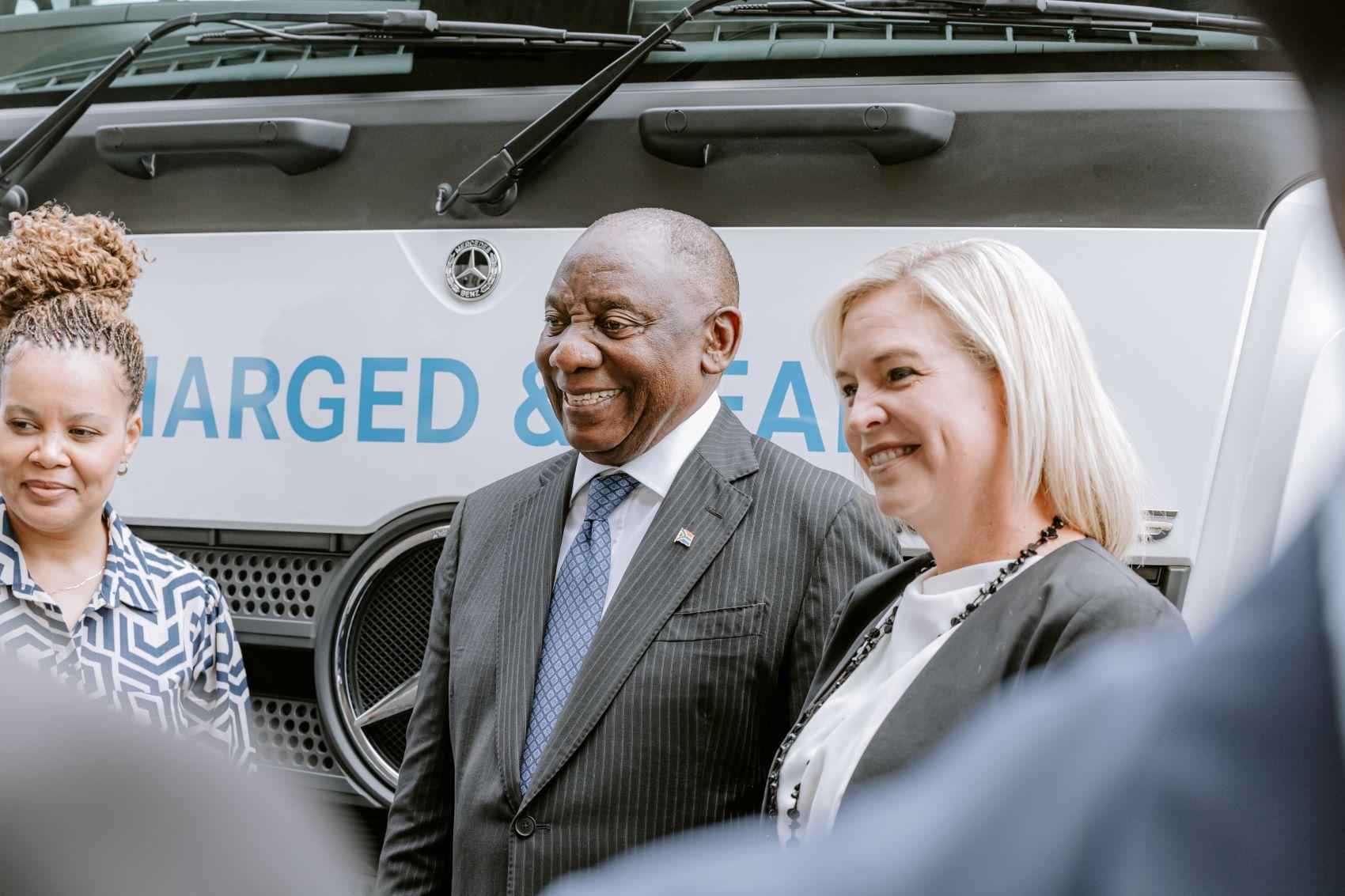
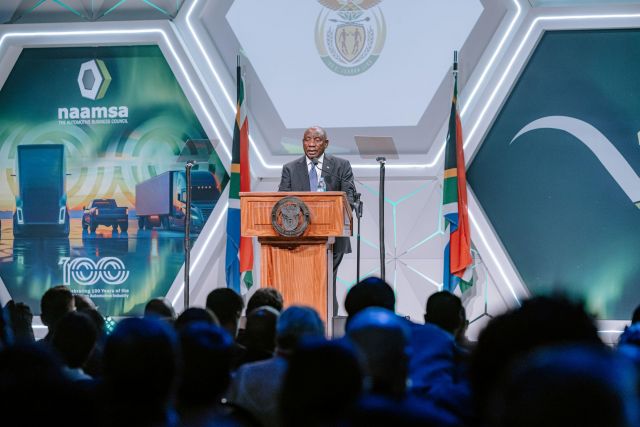
Zero Carbon Charge (CHARGE) welcomes President Ramaphosa’s announcement that government is considering introducing new electric vehicle (EV) incentives during his address at SA Auto Week 2024 held in Cape Town.
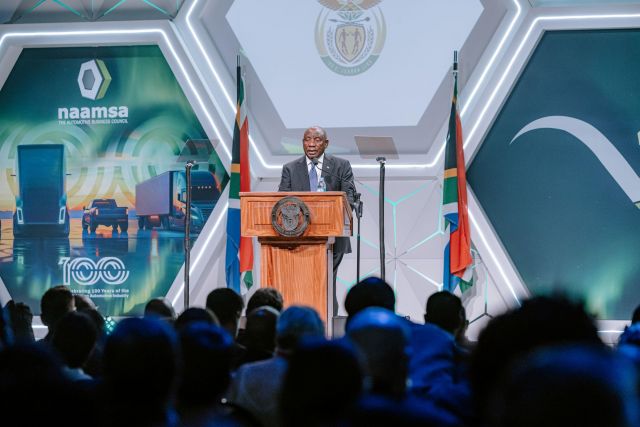
He indicated these incentives could include tax rebates for consumers who currently face a 25% tax on EVs compared to the 18% on internal combustion vehicles, which would help accelerate the adoption of EVs and South Africa’s just energy transition.
While this news is welcome, in order for EVs to contribute towards a reduction in our country’s carbon emissions, they need to be powered by green energy sources. CHARGE’s own research shows that an EV charged from Eskom’s predominantly coal-powered grid indirectly emits 5.8 tonnes of CO2 per year compared to a petrol-driven car, which emits 4.4 tonnes per year.
“The development of an off-grid, renewably powered EV-charging network is the only viable option for South Africa to meet its carbon-reduction goals. It will also play a vital part in meeting the Department of Transport’s target of net-zero transport by 2050,” says Joubert Roux, Executive Chairman of CHARGE.
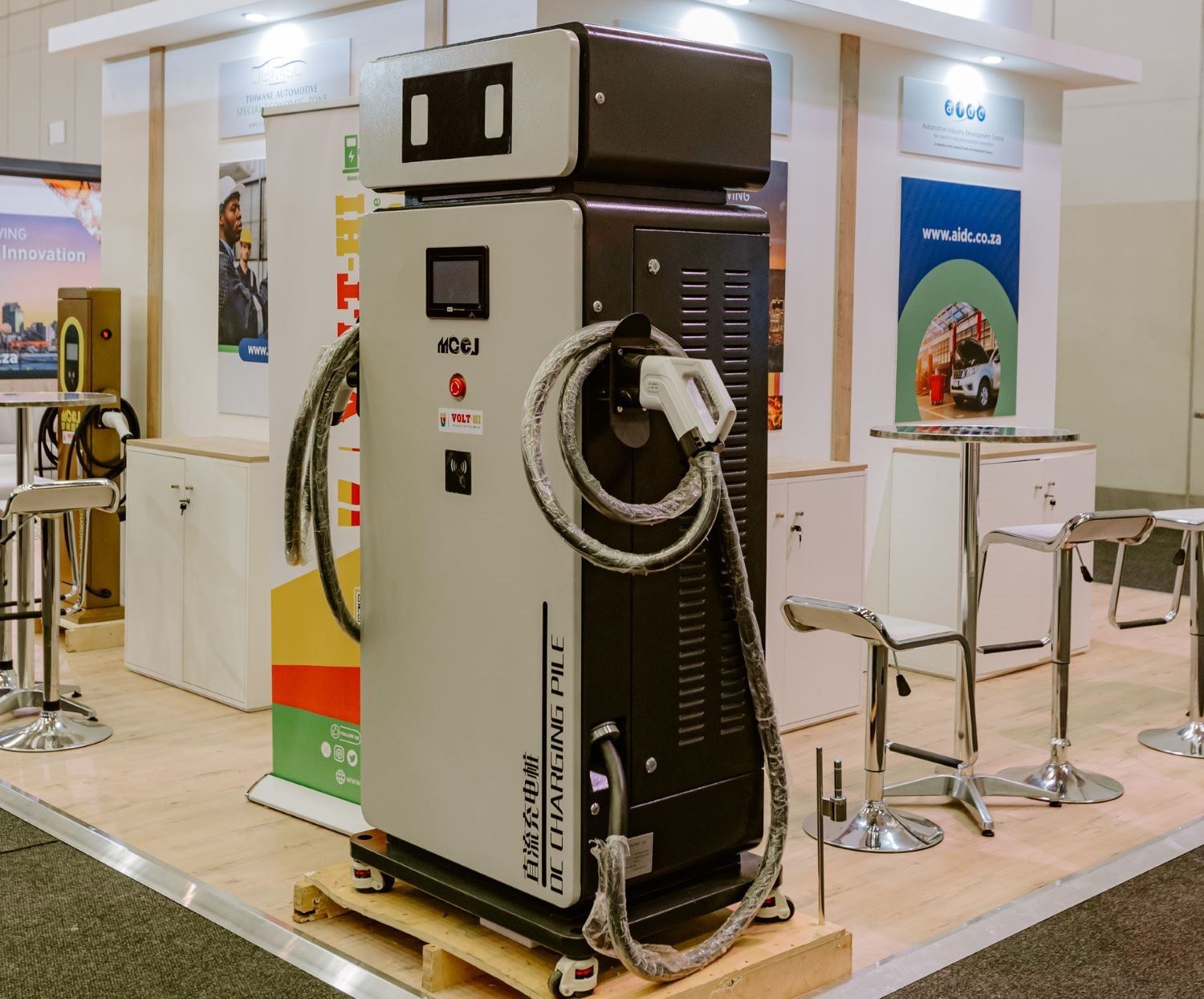
CHARGE is currently developing a network of 120 solar-powered, off-grid charging stations for electric passenger and light commercial vehicles, as well as 120 charging stations for electric trucks. These stations, which will be located on major highways across the country, will be loadshedding-proof and equipped with ultra-fast charging technology.
“This project is a large-scale, national carbon emission reduction initiative that can contribute towards our country’s just energy transition. CHARGE estimates that if we fully migrate the vehicle fleet currently registered on government’s E-NATIS system to electric vehicles charged with solar power, we could reduce the country’s carbon emissions by over ninety-seven million (97 000 000) tonnes of CO2e per year,” added Roux.
“CHARGE looks forward to hearing more details about the EV incentives to be introduced by President Ramaphosa. We hope that any government strategy to encourage a transition to EVs will prioritise the reduction of red tape currently hampering the development of off-grid EV-charging stations on our roads. CHARGE remains committed to working with government to create a green, sustainable transport sector in South Africa,” he concludes.

Audi South Africa honoured the outstanding achievements of its national dealer network at the annual Audi Vorsprung Awards.
South Africa is experiencing its fastest shift yet towards electric mobility, driven not by environmental policy but by sheer economics.
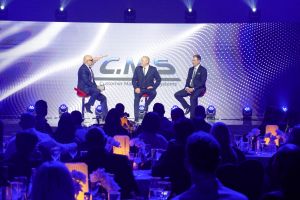
CMS Systems is celebrating 25 years in business, marking a significant milestone for a company that has become a central player in automotive retail technology.
 Advertisement
 Advertisement
Have you ever noticed that anybody driving slower than you is an idiot, and anyone going faster than you is a maniac?
George Carlin
CMS Systems is celebrating 25 years in business, marking a significant milestone for a company that has become a central player in automotive retail technology.
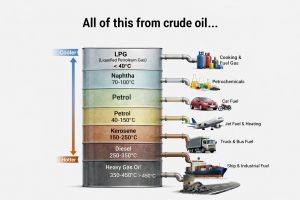
Oil prices jumped on Wednesday after Iran's seizure of container ships in the strait.
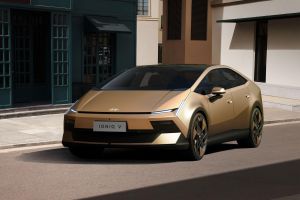
Hyundai Motor is preparing an aggressive comeback in China, unveiling plans to launch 20 new vehicles over the next five years as it tries to rebuild its position in the world’s largest car market.