
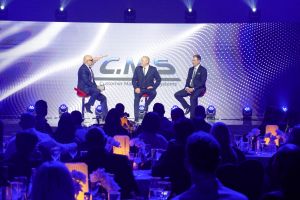
CMS Systems marks 25 years in automotive retail technology
CMS Systems is celebrating 25 years in business, marking a significant milestone for a company that has become a central player in automotive retail technology.
- Industry News
- 24 April 2026
The Dakar Rally is often portrayed as a heroic clash between man, machine and an unforgiving wilderness.
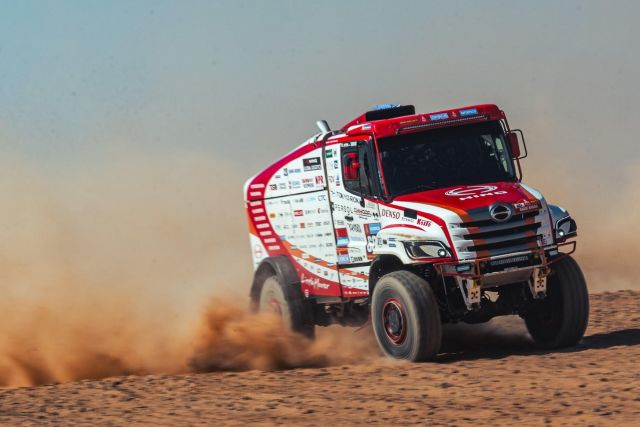
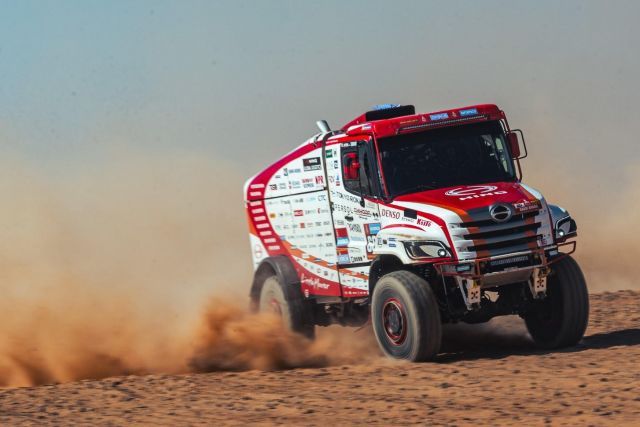
Yet behind the glamour lies a stark truth: every competitor will face mechanical failure. Whether it’s a shredded tyre in the dunes, a burnt-out clutch in a canyon or an electrical fault in the middle of nowhere, breakdowns are inevitable and what follows could define the entire race.
When a vehicle falters, the response is immediate. Drivers and riders leap out, transforming into makeshift mechanics on the desert floor. In Dakar, self-reliance is non-negotiable. Each bike, car and truck carries a minimal toolkit and a handful of spares, enough for common failures, never enough for every disaster.
Repairs are improvised: tyres swapped in the sand, suspension arms replaced under a blazing sun, bodywork held together with zip ties and ratchet straps. All the while, the clock ticks mercilessly. Ten minutes can cost positions; an hour can rewrite the leaderboard.
One of the rally’s enduring traditions is mutual aid. Competitors may help one another, so long as assistance comes from another racer. A stranded biker might borrow a spanner; a car could receive a tow from a passing truck. Some factory teams even deploy “support racers”, slower entrants laden with spare parts, whose unofficial mission is to rescue their team leader when disaster strikes. In this brutal contest, cooperation becomes a survival tactic.
For well-funded outfits, salvation often arrives in the form of race-assistance trucks, rolling workshops that tackle the same punishing route. Packed with tools and mechanics, they can rebuild half a car in the sand. But they’re slow. When a front-runner breaks down, the dilemma is agonising: wait hours for help or gamble on a field repair and push on alone?
Outside help is forbidden. Once the stage begins, the desert becomes a sealed arena. No external vehicles, no mechanics flown in. Accepting outside aid means instant disqualification, a rule that separates purists from pretenders.
If a machine cannot be revived, organisers dispatch recovery trucks to haul away the wreckage. For most, that signals the end of their Dakar dream. But if a competitor limps back to the bivouac, the scene transforms. Under floodlights, mechanics work through the night, engines swapped, chassis welded, electronics coaxed back to life. Sleep is optional; dawn is not.
Then comes the Marathon Stage, where even this comfort vanishes. No mechanics, no assistance trucks, just racers, their tools and their wits. It’s trench warfare in the desert.
A breakdown in Dakar is never just a failure. It’s a test of ingenuity, grit and luck. Sometimes it’s a turning point. Sometimes it’s the end. But always, it’s a reminder why Dakar remains motorsport’s ultimate trial: because out there, between dunes and sky, the race waits for no one.
CMS Systems is celebrating 25 years in business, marking a significant milestone for a company that has become a central player in automotive retail technology.
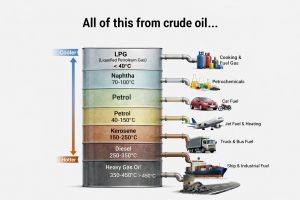
Oil prices jumped on Wednesday after Iran's seizure of container ships in the strait.
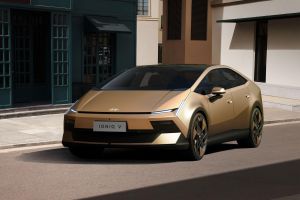
Hyundai Motor is preparing an aggressive comeback in China, unveiling plans to launch 20 new vehicles over the next five years as it tries to rebuild its position in the world’s largest car market.
 Advertisement
 Advertisement
You can't buy happiness but you can buy cars and that's kind of the same thing.
Unknown
CMS Systems is celebrating 25 years in business, marking a significant milestone for a company that has become a central player in automotive retail technology.
Oil prices jumped on Wednesday after Iran's seizure of container ships in the strait.
Hyundai Motor is preparing an aggressive comeback in China, unveiling plans to launch 20 new vehicles over the next five years as it tries to rebuild its position in the world’s largest car market.