
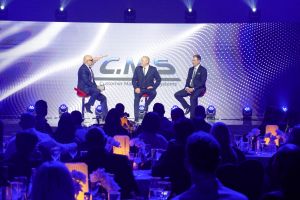
CMS Systems marks 25 years in automotive retail technology
CMS Systems is celebrating 25 years in business, marking a significant milestone for a company that has become a central player in automotive retail technology.
- Industry News
- 24 April 2026
Mazda Southern Africa has announced the end of the production and importation of the Mazda BT-50 Double Cab Pickup for the South African market.
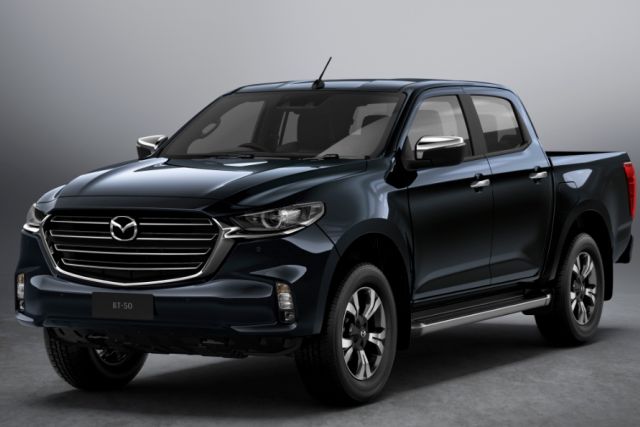
Since it debuted in 2008, replacing Mazda’s successful B-series of LCVs, the BT-50 has had mixed sales results for Mazda in the local market. The BT-50 was originally manufactured in an alliance with Ford Motor Company of SA at its Silverton plant.
The current version, which launched in 2021 and was manufactured in Thailand as part of an alliance with Isuzu, has not made inroads into our extremely competitive double-cab market, especially compared to brands that manufacture locally.
“The South African LCV scene, and in particular the double cab market, is extremely well developed and competitive with locally manufactured brands and nameplates dominating sales. This factor, as well as an extremely challenging landscape for imported vehicles competing directly with locally manufactured products, has led Mazda SA to make this difficult decision., commented Craig Roberts MD of Mazda SA.
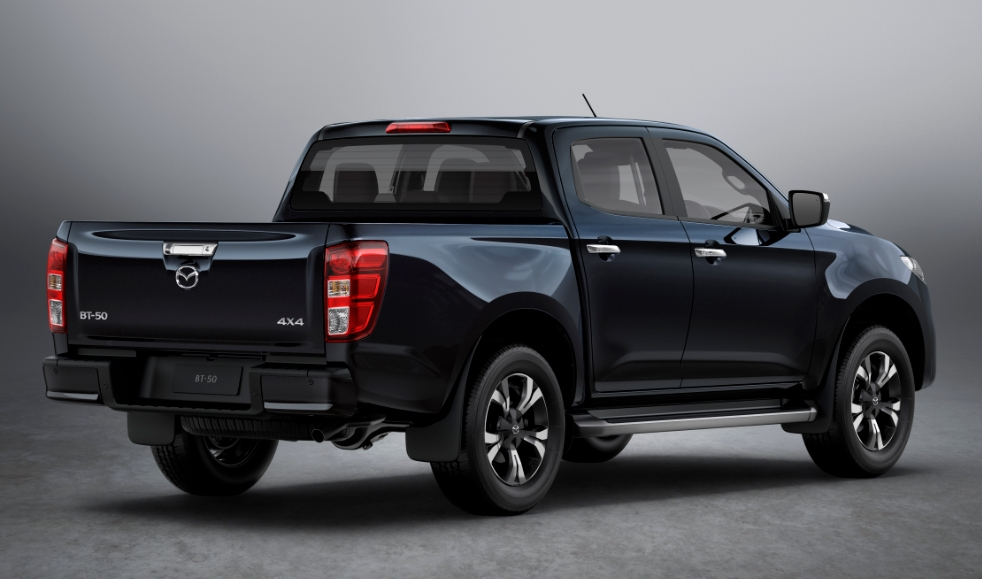
Current Inventory at dealers will be the final available BT-50 vehicles for retail sale in SA and no further imports of the BT-50 will be brought to SA by Mazda SA Pty Ltd.
The existing BT-50 car parc, both current generation as well as previous generation vehicles under Warranty and in Service Plan, including all vehicles currently in service on SA roads will continue to be supported by Mazda SA and its 42 Dealers around the country. As with the run-out of any specific model, Mazda SA will continue to support BT-50 with all service, repair and replacement parts.
Mazda Corporation will continue to manufacture the BT-50 as part of its alliance with Isuzu for other global markets.
CMS Systems is celebrating 25 years in business, marking a significant milestone for a company that has become a central player in automotive retail technology.
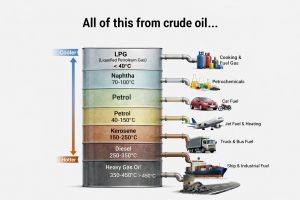
Oil prices jumped on Wednesday after Iran's seizure of container ships in the strait.
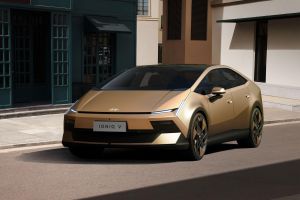
Hyundai Motor is preparing an aggressive comeback in China, unveiling plans to launch 20 new vehicles over the next five years as it tries to rebuild its position in the world’s largest car market.
 Advertisement
Advertisement
Advertisement
Have you ever noticed that anybody driving slower than you is an idiot, and anyone going faster than you is a maniac?
George Carlin
CMS Systems is celebrating 25 years in business, marking a significant milestone for a company that has become a central player in automotive retail technology.
Oil prices jumped on Wednesday after Iran's seizure of container ships in the strait.
Hyundai Motor is preparing an aggressive comeback in China, unveiling plans to launch 20 new vehicles over the next five years as it tries to rebuild its position in the world’s largest car market.