
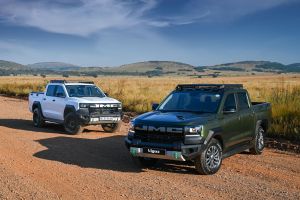
New JMC Vigus will make an impression
Following the official brand re-launch by the Salvador Caetano Group, JMC South Africa announce the arrival of the All-New JMC Vigus.
- Product News
- 17 April 2026
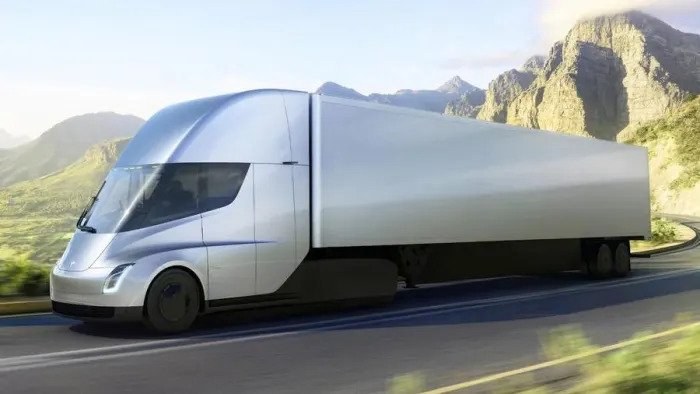
This past Thursday (6 October), Elon Musk tweeted that Tesla will be delivering their first electric trucks to food and beverage giant Pepsi on 1 December.
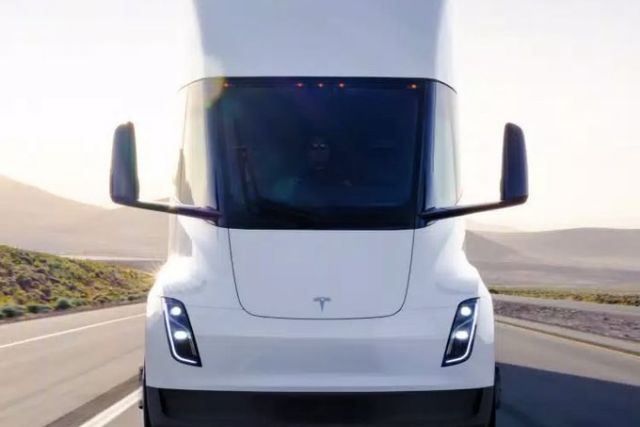
It came amidst the usual “oohs” and “aahs” that accompany any announcement by Musk, who seems to be revered as a demi-god by some. The only problem is that five years have elapsed since he initially announced that Tesla would be introducing electric trucks to the market and in this period other manufacturers seem to have been quietly getting on with introducing their own electric models in the same category.
Most notably was Amazon who started rolling out electric Rivian delivery vehicles as far back as June. Amazon’s aim is to have thousands of these vehicles in hundreds of US cities by the end of the year, which, when considered, casts considerable shade on Musk’s announcement last Thursday.
In Germany, Amazon is also in the forefront, in this case acquiring 20 Volvo FH Electric trucks that they hope will be fully operational by the end of the year. Again, this has been in the pipeline long before Musk’s recent Tweet.
Even South Africa is not lagging. KDG Logistics recently signed a Letter of Intent to purchase two Volvo FM 4x2 Electric Truck Tractors and these are expected to arrive during the second quarter of 2023.
The race for a share in this market is well advanced, and the South African-born innovator’s company does not have a runaway lead, despite what he might want his social media followers to believe.
Following the official brand re-launch by the Salvador Caetano Group, JMC South Africa announce the arrival of the All-New JMC Vigus.
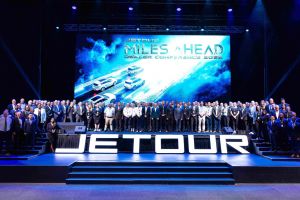
Jetour South Africa hosted its inaugural Dealer of the Year Awards on Tuesday night, bringing together its national dealer network of nearly 60 dealerships.
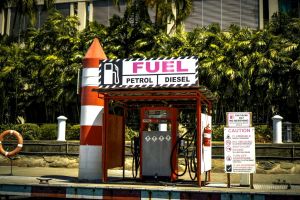
South Africa’s motorists and automotive sector are facing a fresh layer of uncertainty as the Middle East conflict continues to disrupt global oil markets, but for now the country’s fuel supply remains stable even as costs rise.
 Advertisement
Advertisement
Advertisement
You can't buy happiness but you can buy cars and that's kind of the same thing.
Unknown
South Africa’s motorists and automotive sector are facing a fresh layer of uncertainty as the Middle East conflict continues to disrupt global oil markets, but for now the country’s fuel supply remains stable even as costs rise.

Stellantis has struck a five year strategic partnership with Microsoft as it accelerates its shift towards software defined vehicles and digital services.
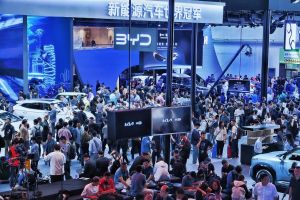
Auto China 2026 marks another milestone in the evolution of an event that has tracked China’s rise from emerging market to global automotive powerhouse.