The company began reinstating diesel options in late 2025, reversing earlier commitments to fully electrify its European portfolio by 2030. This shift follows slower‑than‑expected electric vehicle (EV) adoption and softened emissions targets that extend the lifespan of combustion engines.
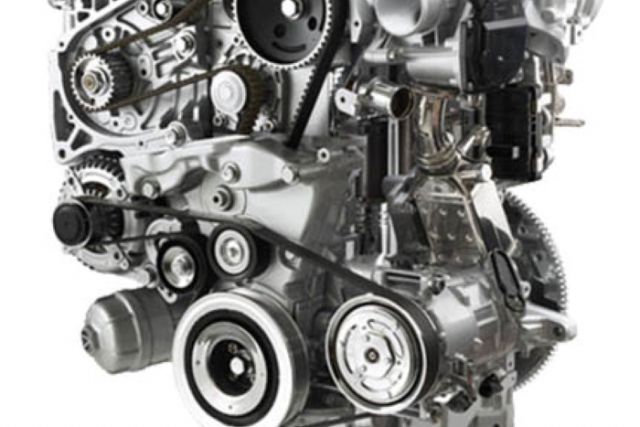
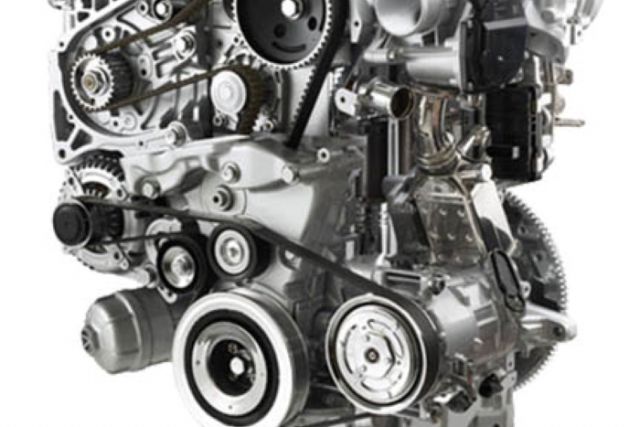
At least seven models have reintroduced diesel variants, including the Peugeot 308, DS 4, Opel Astra, Opel Combo, Peugeot Rifter and Citroën Berlingo. These additions span both passenger cars and multi‑purpose vans, reflecting a broader repositioning rather than isolated product tweaks. Stellantis is also continuing diesel production for premium models such as the DS7 and Alfa Romeo’s Giulia, Stelvio and Tonale. All these vehicles were once expected to transition entirely to electric or hybrid drivetrains.
The return of diesel comes amid significant financial recalibration. Stellantis recently absorbed €22.2 billion in charges linked to scaling back EV programmes, a reflection of over‑optimistic sales forecasts and mounting competitive pressure from Chinese EV manufacturers. EVs accounted for 19.5% of European sales in 2025, but diesel’s share had dwindled to just 7.7%, a dramatic fall from its dominant position a decade earlier. Despite this decline, diesel holds strategic value: it remains cost‑competitive, particularly in segments where Chinese manufacturers, focused largely on electric drivetrains, do not participate.
Market conditions outside Europe are also reshaping Stellantis’ global outlook. In the United States, loosening federal emissions standards have reduced the urgency of electrification efforts, prompting Stellantis to revive internal‑combustion models, including V8‑powered vehicles. This reinforces a wider corporate pivot toward balancing EV development with continued investment in combustion engines.
Stellantis maintains that the revival of diesel is customer‑driven, claiming buyers still value diesel’s long‑distance efficiency, torque and affordability. “We have decided to keep diesel engines in our product portfolio and, in some cases, to increase our powertrain offer,” the company stated.
Whether this marks a momentary correction or a longer‑term strategic rebalancing will become clearer as EV infrastructure matures and European consumer confidence evolves. For now, Stellantis is betting that a diversified powertrain mix offers the most resilient path forward.