
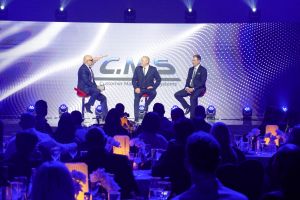
CMS Systems marks 25 years in automotive retail technology
CMS Systems is celebrating 25 years in business, marking a significant milestone for a company that has become a central player in automotive retail technology.
- Industry News
- 24 April 2026
Ford Motor Company’s R15.8-billion investment in its Silverton Assembly Plant in Pretoria is coming to fruition, with the new high-tech Stamping Plant now in operation.
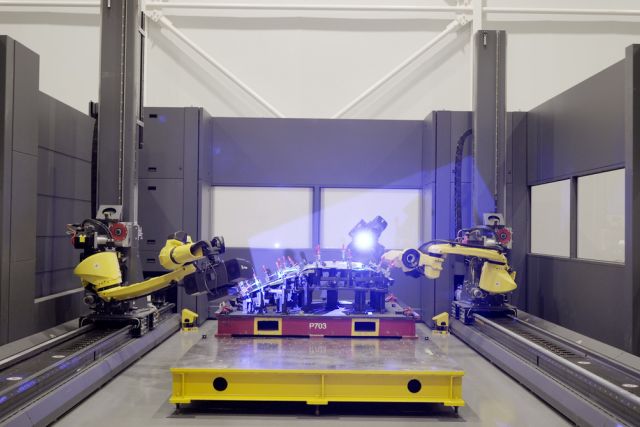
This was one of its largest and most ambitious projects to date. The vast facility measures a staggering 10 320 m2, equivalent to almost 1.5-times the size of a standard soccer field (7 140 m2).
“Our new Stamping Plant is a first for Ford in South Africa,” says Rhys Davies, Site Transformation Manager at the Ford Silverton Assembly Plant. “Previously, we used external suppliers to stamp our metal body parts, but we decided to set up our own Stamping Plant for the Next-Gen Ranger, which will go into production later this year.
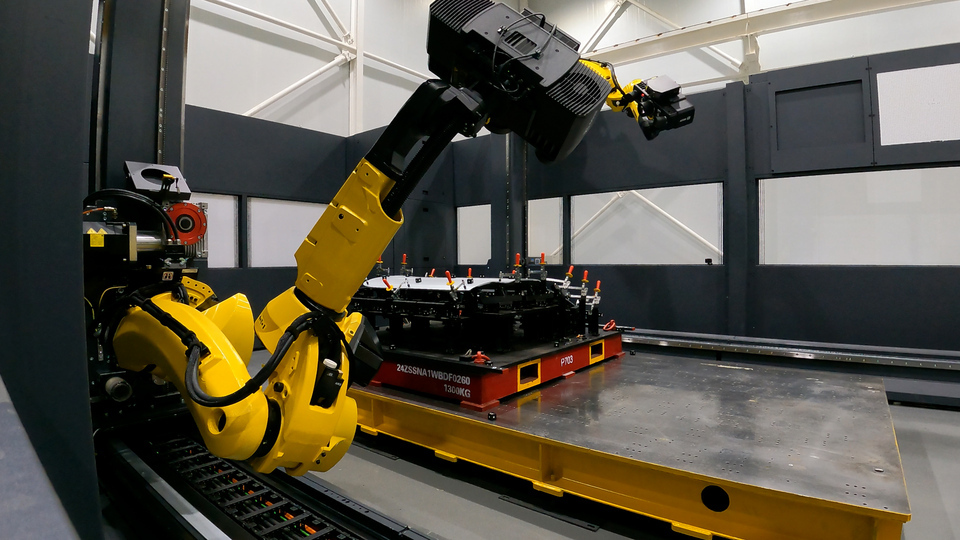
“With our focus on delivering the highest levels of quality and efficiency for the Next-Gen Ranger, it was essential that we brought the stamping operations in-house. This ensures that we are able to control the production quality throughout the stamping process, validate that all parts are within specification and then seamlessly deliver them directly to our new Body Shop located adjacent to the Stamping Plant.
The new Stamping facility also dramatically improves our plant capacity and efficiency with a higher level of automation, while eliminating the time, cost and potential damage incurred when transporting these parts by road.
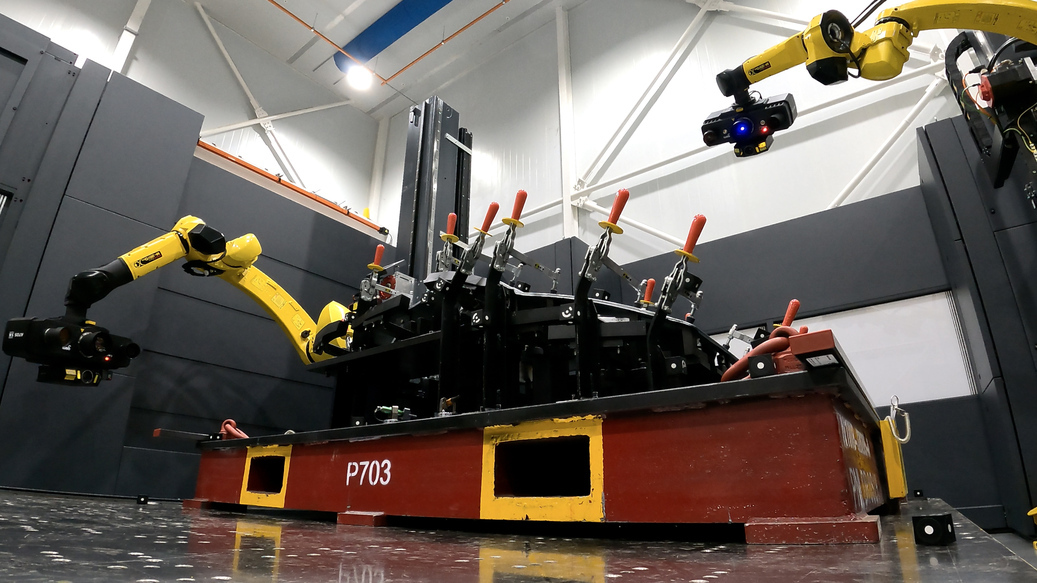
The Silverton Assembly Plant now has an installed capacity for 200 000 vehicles a year. When running at full capacity, the Stamping Plant will be processing 272 tons of steel aper day over a three-shift system.
CMS Systems is celebrating 25 years in business, marking a significant milestone for a company that has become a central player in automotive retail technology.
Oil prices jumped on Wednesday after Iran's seizure of container ships in the strait.

Hyundai Motor is preparing an aggressive comeback in China, unveiling plans to launch 20 new vehicles over the next five years as it tries to rebuild its position in the world’s largest car market.
 Advertisement
 Advertisement
Have you ever noticed that anybody driving slower than you is an idiot, and anyone going faster than you is a maniac?
George Carlin
CMS Systems is celebrating 25 years in business, marking a significant milestone for a company that has become a central player in automotive retail technology.
Oil prices jumped on Wednesday after Iran's seizure of container ships in the strait.
Hyundai Motor is preparing an aggressive comeback in China, unveiling plans to launch 20 new vehicles over the next five years as it tries to rebuild its position in the world’s largest car market.