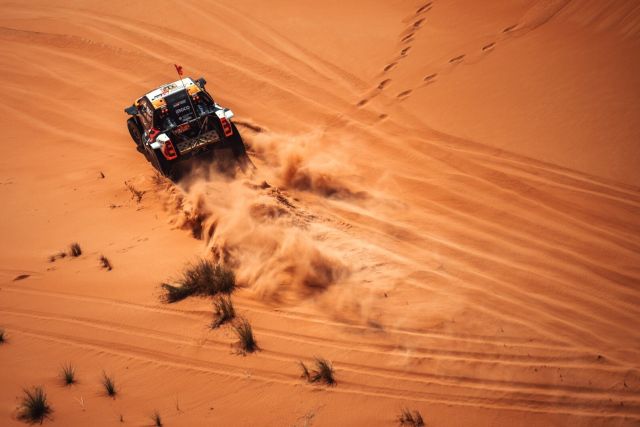
For South Africa, this race is more than just a contest of speed and endurance: it is a showcase of local engineering excellence, home-grown rally culture and competitive spirit.
South African-prepared cars, bakkies and off-road machines have become cornerstones of the Dakar entry list. In recent rallies, more than half of the cars competing in the top Ultimate (formerly T1+) class have been designed, developed or built in South Africa, a testament to the depth of expertise in the country’s rally raid industry. This makes South Africa not just a source of competitors but also a global automotive rally hub.
South African rally teams and their 2026 Dakar line-up:
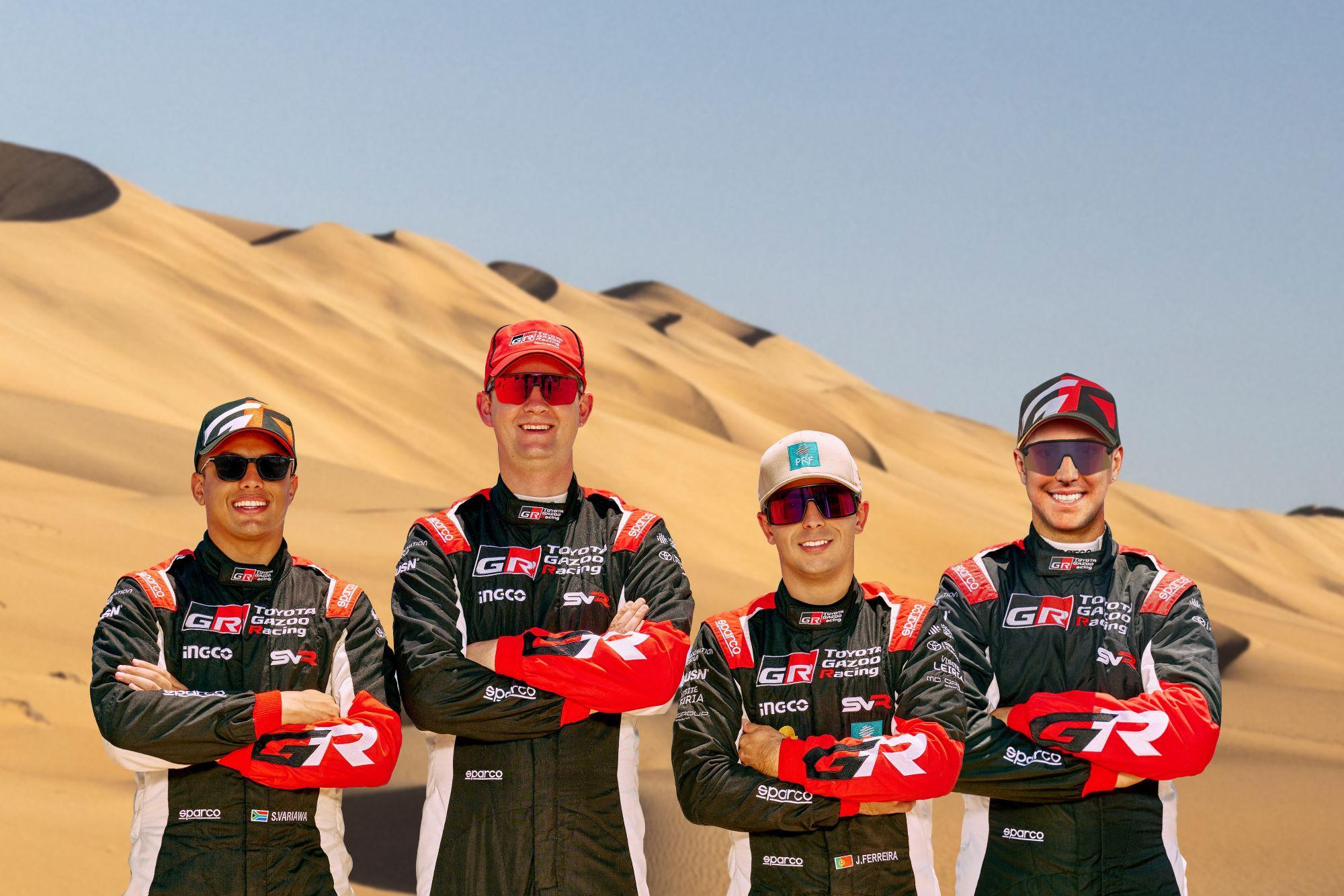
- Toyota Gazoo Racing South Africa - Four strong crews:
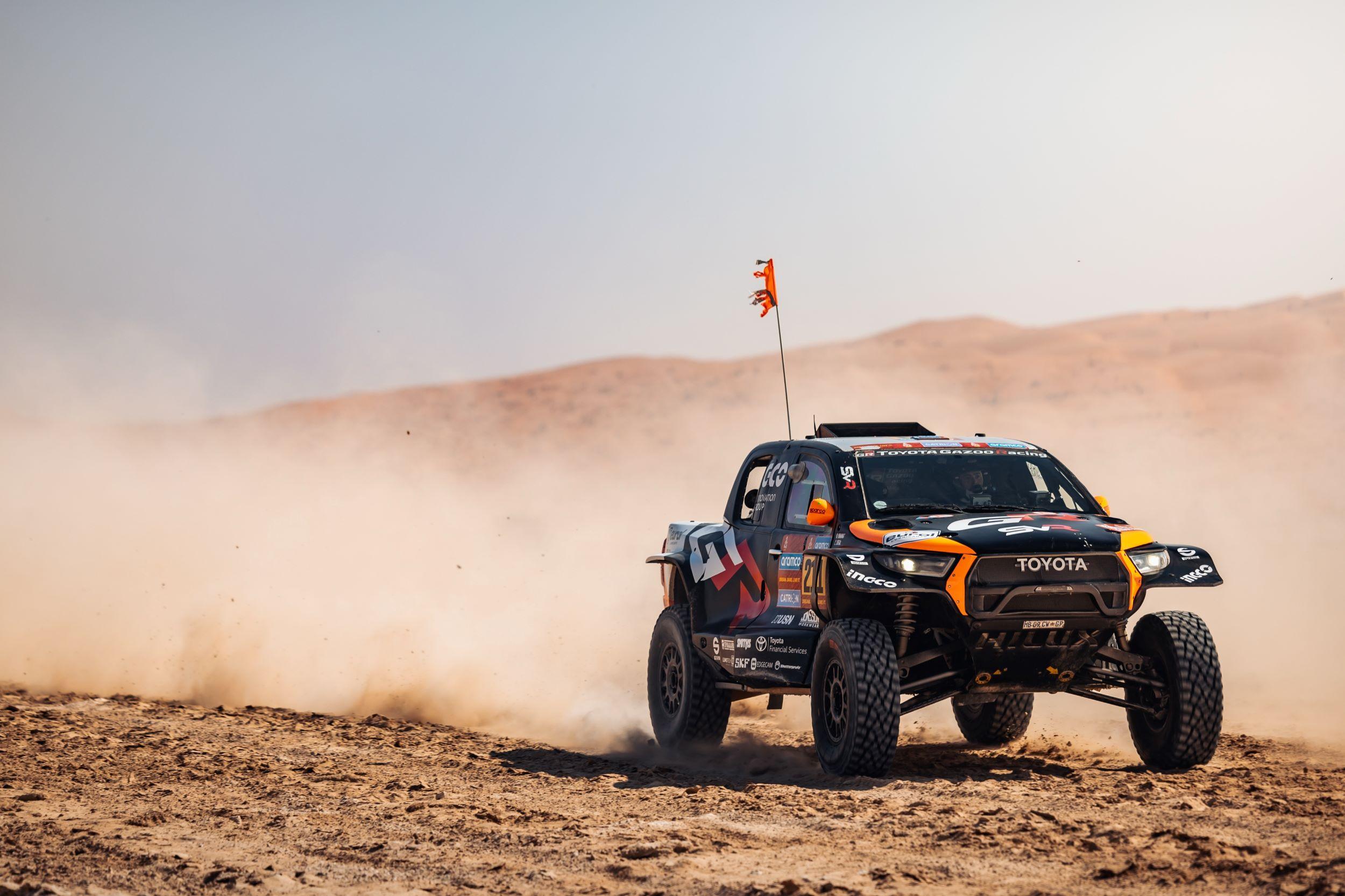
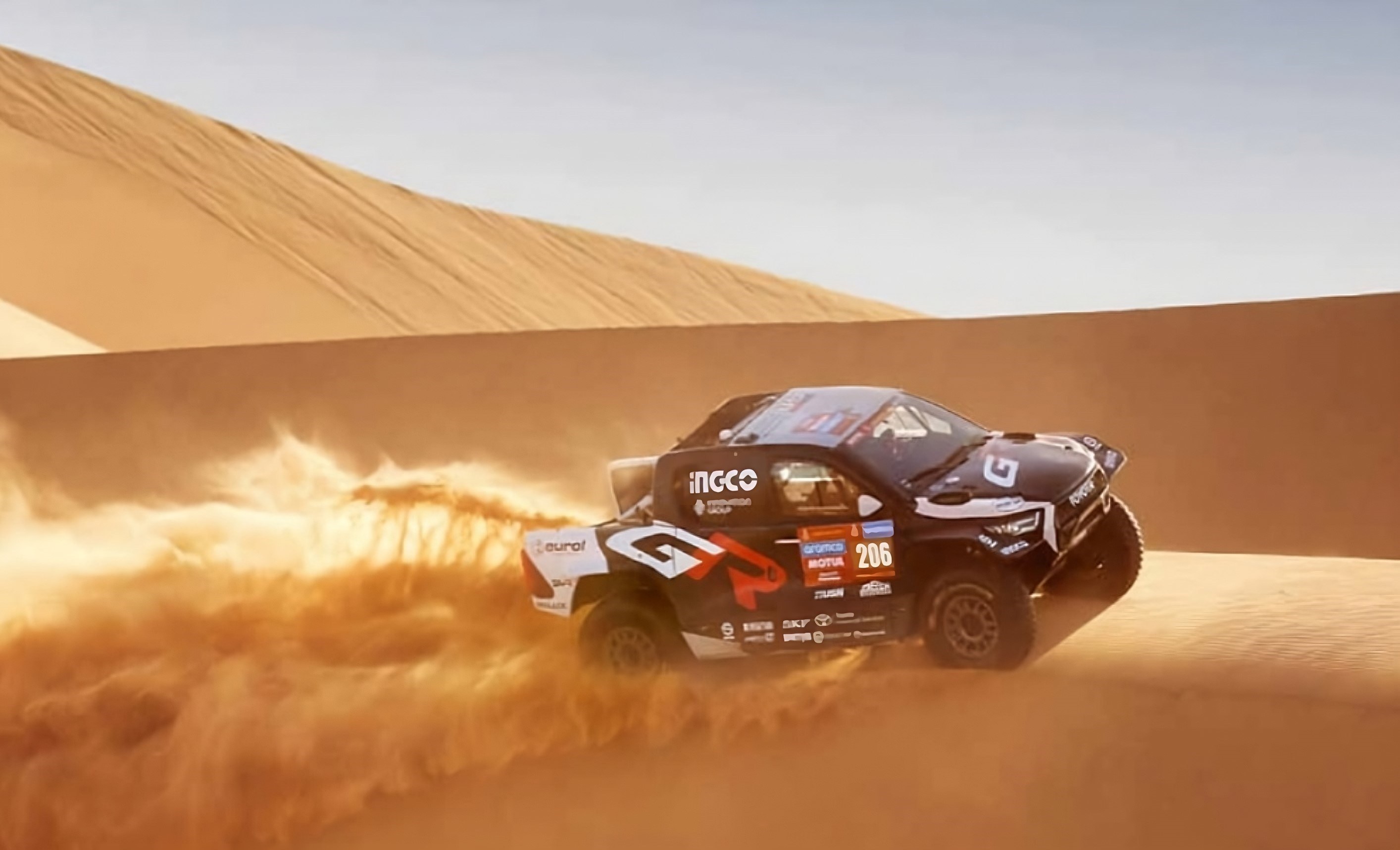
Toyota Gazoo Racing South Africa (TGRSA) is the flagship South African rally outfit for Dakar 2026, fielding four crews in the car category aboard the latest evolution of the GR Hilux IMT Evo, a vehicle refined and developed through years of competition and testing.
The quartet entered for Dakar 2026 are:
#211 Juan Cruz Yacopini (Argentina) / Daniel Oliveras (Spain)
#213 Saood Variawa (SA) / Francois Cazalet (France)
#218 Guy Botterill (SA) / Oriol Mena (Spain)
#240 João Ferreira (Portugal) / Filipe Palmeiro (Portugal)
Each crew will tackle the punishing Saudi stages in the GR Hilux IMT Evo, a vehicle that draws on South African rally-raid expertise while competing against the strongest field in recent Dakar history.
- Century Racing and PS Laser Racing:
South African engineering is also represented beyond Toyota Gazoo. Century Racing, a South African-born platform, sees crews like Brian Baragwanath / Leonard Cremer competing in the Century CR7 — a proven rally raid car at the sharp end of the field.
Likewise, PS Laser Racing teams up with the Volkswagen Amarok, a vehicle built in South Africa as part of the Ford-Volkswagen alliance, showcasing yet another South African link to vehicles in Dakar’s top class. Crews in Amarok machinery include:
Daniel Schröder (Germany) / Henry Köhne (SA)
Jürgen Schröder (Germany) / Stuart Gregory (SA).
These Volkswagen Amarok entries continue the trend of locally assembled vehicles competing on the world stage.
- Side-By-Side (SSV) and Challenger Representation
South African involvement also extends into the SSV / Light Prototype and Challenger ranks:
#302 Puck Klaassen (Netherlands) & Augusto Sanz (Argentina) compete in a KTM X-BOW Powered by G Rally Team car, representing South African presence in lighter off-road categories.
#441 Lawrence Janesky (USA) & Dennis Murphy (SA) in a South Racing Can-Am SSV.
#443 Abdullah Al-Fahad (Saudi Arabia) & Leander Pienaar (SA) for the Dark Horse Team.
These crews underline how South African rally culture successfully crosses into multiple Dakar categories beyond just the classic car class.
Although the 2026 truck entry list does not feature large, dedicated South African crews on the official published lists, one truck crew includes a South African competitor:
#629 Tomáš Tomeček, Metoděj Tomeček (both Czech Republic) & Grant Ballington (SA) with South Racing Can-Am in the T5 truck class.
South African-built vehicles at Dakar:
One of the most remarkable aspects of South Africa’s Dakar involvement is the number of vehicles on the grid that carry South African built lineage:
- Toyota Hilux Dakar / GR Hilux IMT Evo:
The Toyota Hilux family, including the GR DKR Hilux and the latest IMT Evo, has been a dominant force in the Dakar Rally. These cars are based on technology and chassis development deeply rooted in South African design and preparation. The Hilux Dakar platform has secured Dakar victories in recent years and continues to be the backbone of South African rally involvement.
- Ford Ranger and Ford Raptor T1+:
While not a factory works team, Neil Woolridge Motorsport collaborated with Ford and M-Sport to develop Dakar-spec Ford Rangers, including the T1+ Raptor derivatives that compete at the highest level. These vehicles have been designed or assembled in South Africa, notably at the Pietermaritzburg workshops of NWM, before competing internationally.
The second-generation Volkswagen Amarok is assembled in South Africa’s Silverton plant. This truck-derived platform, sharing its fundamental architecture with the Ford Ranger under a global agreement, is also fielded in Dakar by PS Laser Racing.
South Africans on bikes:
South Africa’s rally involvement is not limited to four wheels.
South African riders appear on the official 2026 Dakar entry list and include:
Bradley Cox (RallyGP Elite, Sherco Rally Factory)
Michael Docherty (Rally2, KTM)
Ronald Venter (Rally2, Nomade Racing)
South Africa’s footprint in the 2026 Dakar Rally is unmistakable. From South African-prepared Toyota Hilux and Ford Ranger / Raptor cars to locally assembled Volkswagen Amarok entries and top-flight Century Racing cars, South African rally craft are integral to the heart of the Dakar. Combined with South African riders on motorcycles and competitive involvement across several categories, the nation’s influence is both broad and deep.