SA's vehicle recall crisis: a call for preventative action
According to the Automobile Association (AA), South Africa's vehicle safety system is failing its citizens.
Share with friends
Throughout 2025, the National Consumer Commissioner recorded recalls affecting more than 50 000 vehicles across several major automotive brands, exposing what the AA describes as systemic failures in quality assurance, manufacturing oversight and regulatory verification.
The scale of these recalls reveals a troubling reality: the current system is inherently reactive rather than preventative. Recall notices often arrive too late, when defective vehicles are already on the road, driven by unsuspecting motorists. Each recall represents a failure of early detection, signalling that quality assurance arrived too late to prevent danger.
In May 2025 alone, the National Consumer Commissioner issued four recall-related notices citing serious defects. These included passenger airbag inflators prone to rupture during deployment in vehicles sold between 2014 and 2016, seatbelt latch plates with inadequate retention hardness and high-voltage battery systems susceptible to overheating and acute fire hazards. The recalls extended beyond passenger vehicles to include motorcycles with critical engine and drive-gear faults, highlighting the breadth of the safety crisis affecting the national vehicle fleet.
The AA identifies three fundamental weaknesses in the existing recall framework:
Delayed detection means safety faults often surface years after vehicles have been sold, allowing defects to endanger lives long after vehicles entered the market.
The consumer burden is excessive, with motorists expected to monitor recall notices themselves, leaving many unaware of critical faults.
The National Consumer Commissioner's limited role means no independent pre-market testing occurs, placing overreliance on manufacturer self-reporting.
The absence of an independent automotive testing authority in South Africa compounds these problems. The Motor Industry Ombudsman of South Africa provides technical support to the National Consumer Commissioner once a recall is initiated, but operates with a small technical team largely drawn from within the automotive industry itself.
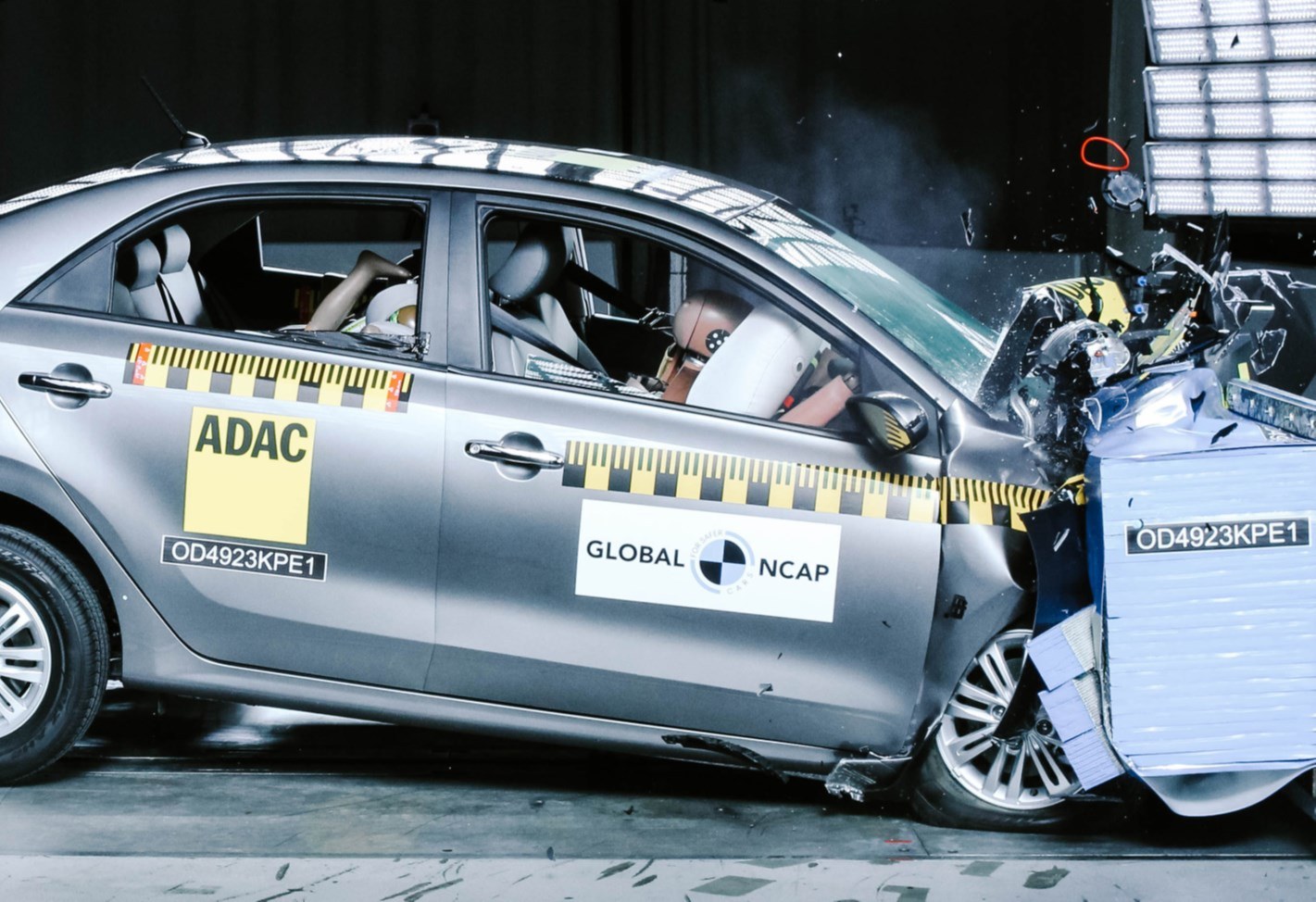
The AA, drawing on its historic advocacy role and collaboration with Global NCAP through the SaferCarsForAfrica campaign launched in November 2017, has presided over independent crash-testing of popular entry-level vehicles sold locally. The test results, available on the AA website, revealed that some models offer substandard protection compared to the same brands and models in other markets.
The organisation now calls for South Africa to shift from curative interventions towards preventative assurance. By advocating for mandatory independent crash-testing, star-ratings and pre-market certification, the AA offers a pathway to elevate manufacturer accountability, raise quality-control standards and rebuild consumer trust, it claims.
With its proven experience and partnership with Global NCAP, the AA is uniquely positioned to bridge the gap between motorists and manufacturers, serving as a trustworthy, independent coordinator.
The AA says its message is clear: South Africa stands at a pivotal juncture. By institutionalising independent crash-testing and embedding accountability at market entry, the country can shift from a culture of mere compliance to one where every car sold upholds the principle of trust and safety
As fuel prices continue to climb across South Africa, many motorists are beginning to question whether owning a car still makes financial sense. With in-land petrol prices now at R26.63 a litre and diesel costs rising sharply in May, transport expenses are placing growing pressure on household budgets.
Pinewood.AI has added two new embedded modules to its Business Intelligence Solution, giving dealers and OEMs greater insight into financial performance and the customer journey, it says.
Pinewood.AI has added two new embedded modules to its Business Intelligence Solution, giving dealers and OEMs greater insight into financial performance and the customer journey, it says.
Margins are shrinking, customers are under financial strain, and competition is intensifying across South Africa’s motor retail sector. Against this backdrop, dealerships are being forced to rethink how they remain profitable while still building customer trust and long term sustainability.
Ford will launch seven new models in Europe by 2029, it announced recently, as it seeks to grow its flagging passenger car sales, fend off fierce competition from Chinese rivals and maintain an edge in the continent's commercial vehicle market.