

BMW Vision ALPINA outline future of performance luxury brand
BMW has used the Vision ALPINA concept to show how it plans to develop the ALPINA name as part of its long-term luxury strategy.
- Product News
- 18 May 2026
From boardrooms to braais, the rising price of fuel dominates discussion, a shared concern that touches every household and business. The question now is not whether people are worried, but how long they can endure.
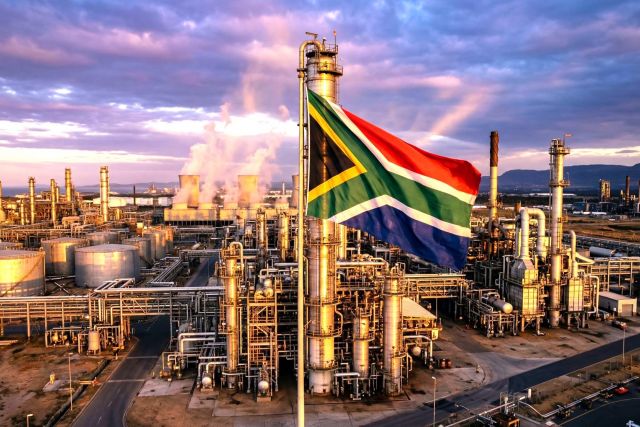
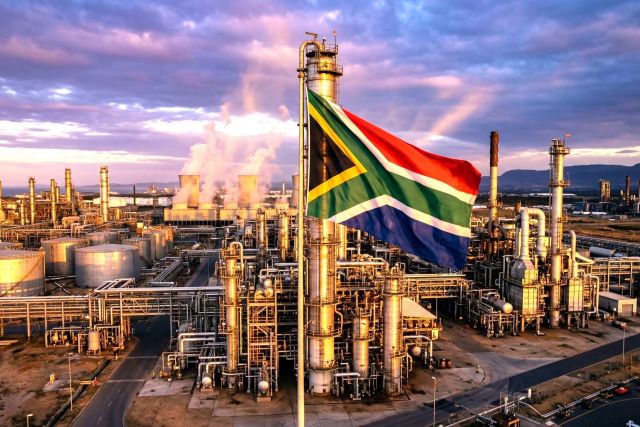
Dealerfloor investigates what the current stance of our oil refinery capacity is and what difference, if any, increased local refinery holds for our wallets.
South Africa’s fuel refining industry has changed dramatically over the past 15 years, with the country moving from having one of the largest refining networks in Africa to relying heavily on imported petrol and diesel.
According to the latest preliminary South African Energy Sector Report published by the Department of Mineral and Petroleum Resources (DMPR), only two conventional crude oil refineries are currently operating in the country. These are the Astron Energy refinery in Cape Town and the Natref refinery in Sasolburg.
Astron Energy’s facility has a refining capacity of about 100 000 barrels per day, while Natref can process around 108 000 barrels daily. In addition, Sasol continues to produce liquid fuels at its Secunda plant, although this facility converts coal into fuel rather than refining crude oil.
Fifteen years ago, South Africa’s refining landscape looked very different. Between 2010 and 2015, the country had six major fuel production facilities operating. These included Sapref in Durban, Engen’s Durban refinery, Chevron’s Cape Town refinery which later became Astron Energy, Natref in Sasolburg, PetroSA’s Mossel Bay gas to liquids plant and Sasol’s Secunda operations.
Over time, however, several of these facilities either closed permanently or were mothballed. The reasons included ageing infrastructure, the rising cost of maintenance and the huge investment needed to meet newer cleaner fuel specifications.
The biggest loss came in Durban, where Sapref, once South Africa’s largest refinery, stopped operations in 2022 following severe flood damage and worsening economic conditions. Industry publication Hydrocarbon Processing reported earlier this year that the refinery would require billions of rand to restart and modernise.
The former Engen refinery in Durban also stopped refining operations after a 2020 explosion and has since largely been converted into an import and storage terminal.
PetroSA’s gas to liquids refinery in Mossel Bay has also struggled because of declining local offshore gas supplies, leaving the plant mostly inactive.
The result is that South Africa now imports most of its petrol and diesel rather than producing it locally.
The DMPR’s latest report shows the country’s refining capacity has dropped sharply over the past decade, forcing South Africa to depend on imported refined fuel products to meet local demand.
This has raised growing concerns around fuel security, especially during periods of international supply disruptions or geopolitical tension.
There have been discussions around restarting some of the country’s closed refineries, particularly Sapref. Government has already moved to acquire the Durban facility in an attempt to strengthen long term energy security.
However, restarting the refinery would not be simple. Experts say extensive repairs and upgrades would be required before the facility could produce cleaner fuels that comply with modern standards.
The likelihood of the former Engen refinery returning to crude oil processing is considered far lower because much of the site has already been repurposed for storage and import infrastructure.
One of the biggest questions is whether South Africans would pay less for petrol and diesel if the country refined more of its own crude oil locally.
The answer is not straightforward.
Even if South Africa had more active refineries, the country would still need to import almost all of its crude oil. That means local fuel production would still be heavily tied to global oil prices and the rand dollar exchange rate.
The DMPR notes that international crude oil prices remain one of the biggest drivers of South African fuel prices.
However, greater local refining capacity could still bring some benefits. It could reduce the cost of importing finished petrol and diesel, lower shipping and logistics expenses and lessen the country’s exposure to disruptions in international fuel supply chains.
At the same time, South Africa’s fuel price structure includes substantial taxes and levies, which means refining locally would not automatically translate into dramatically cheaper fuel at the pumps.
In practice, the biggest advantage of local refining is not necessarily lower prices, but improved supply security and reduced dependence on imported fuels.
This issue becomes even more important when considering the country’s strategic fuel reserves.
According to the Central Energy Fund and government energy planning documents, South Africa’s strategic crude oil reserves have declined significantly from historical levels. The country’s emergency reserves are intended to provide a buffer against major supply disruptions, but concerns have repeatedly been raised about the size and readiness of these stockpiles.
Official figures vary depending on commercial inventories and strategic reserves available at a given time, but South Africa is generally estimated to hold enough crude oil and fuel stocks for only a few weeks of national demand under severe disruption scenarios.
Energy experts have previously warned that South Africa’s fuel cover can range between roughly 20 and 45 days depending on stock levels, imports and refinery operations at the time.
That is far below the roughly 90-day strategic stockholding level encouraged by many developed economies and international energy bodies.
With South Africa now importing the majority of its refined fuel needs, the condition of its remaining refineries and the size of its fuel reserves have become increasingly important national concerns.
Sources:
BMW has used the Vision ALPINA concept to show how it plans to develop the ALPINA name as part of its long-term luxury strategy.
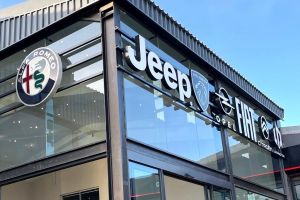
Stellantis South Africa announced the opening of a new SCW Mobility Group dealership in Cape Town, bringing seven of its leading automotive brands under one roof, Alfa Romeo, Citroën, Fiat, Jeep, Leapmotor, Opel, and Peugeot.
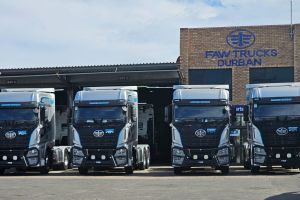
FAW Trucks Southern Africa says the Stucky Motors Group in its dealer network is a name synonymous with excellence, longevity, and customer-centric service in the South African transport industry.
 Advertisement
 Advertisement
I have bad reflexes. I was once run over by a car being pushed by two guys
Woody Allen
Strong demand, booming exports and a flood of new Chinese entrants are transforming South Africa’s automotive sector at a pace rarely seen before.
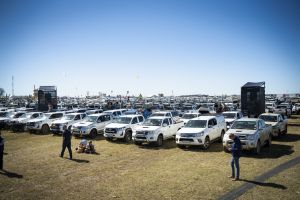
Toyota South Africa Motors (TSAM) has reaffirmed the enduring popularity of its iconic Hilux, celebrating the largest recorded gathering of Hilux vehicles at the 2026 Nampo Harvest Day.

The Automobile Association of South Africa and Global NCAP have raised serious concerns following the crash test results of the previous generation Toyota Starlet, which received a zero-star rating for adult occupant protection in the latest #SaferCarsForAfrica campaign.