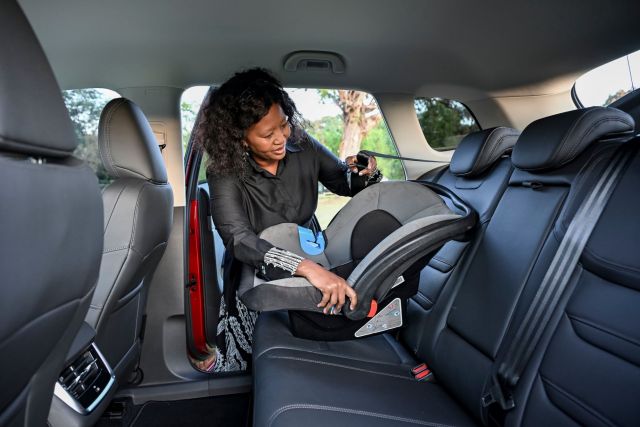
SA’s child seat restraint rules need to be updated
China updated its national standard on child safety restraints in vehicles, including laws regarding car seats. Both in China and globally, car crashes are a leading cause of death for those between five and 29 years of age. Safety restraints can reduce deaths among infants by up to 71%.
Share with friends
Despite this, laws regarding safety restraints are often inadequate. The global average for child restraint use is 67% but in some countries this is as low as 10%. The CEO of MasterDrive, Eugene Herbert, expands: “China is a case in point. Even though the critical role of car seats for child safety in vehicles is well known, the use of car seats was only regulated in 2021, and their correct use will only come into effect next year.
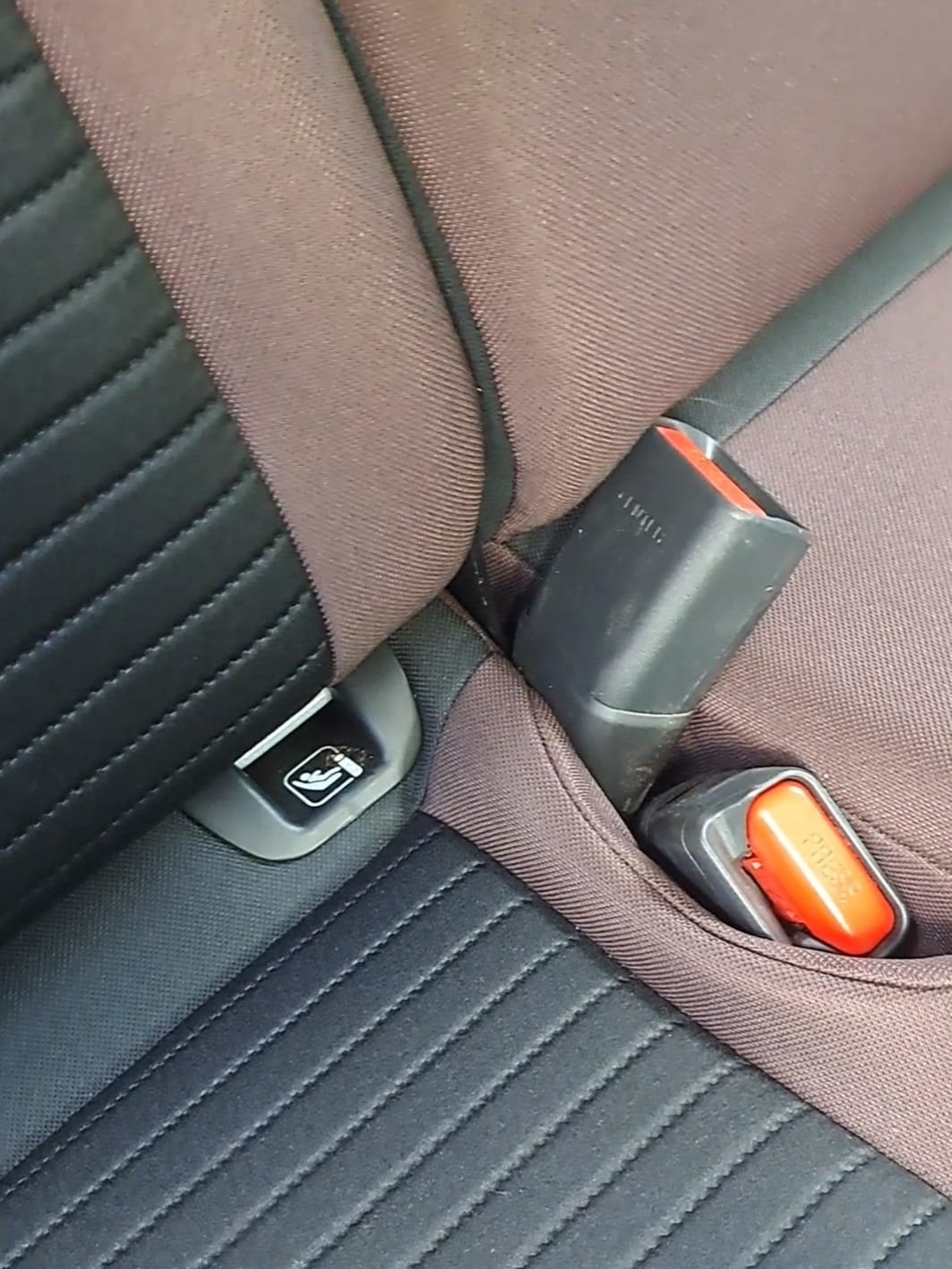
“In July 2025, infants aged 15 months and younger must be put in rear or side-facing car seats. This is intended to reduce the chances of death or the severity of injuries. The correct use and installation of child safety restraints are included in this update as well. The intention is to not only regulate car seat use but also provide guidance on selecting the correct seat based on height.”
Many may wonder where South Africa stands compared to fellow BRICS nations. “Before 2015, children shorter than 150cm or under 36kg had to be securely restrained in a car seat. This, however, was only applicable to children three years and older. Up until 2015, infants younger than three did not even feature in the regulations.
“Now car seat regulations include children of all ages. However, unlike China, South Africa still lacks regulation on the type of car seat one should use, for example backward versus forward facing car seats. The only requirement is that the car seat should comply with SABS specifications.”
The difficulty in South Africa and many other developing nations, is that child safety in vehicles is expensive. “Struggling parents are unlikely to regularly upgrade their child seats. Additionally, a car seat will be at the bottom of the list of priorities for parents who are unable to feed their child at night. Thus, where does the solution lie?
“Non-profit initiatives are a significant step in the right direction as demonstrated by these projects in South Africa. Another way is through the same body that propelled change in China’s law. The World Health Organization worked with China and various automotive bodies to develop the regulation. The intention is to continue this work with other countries, which should include consideration of the unique challenges of a country.”
The safety of children in vehicles is not something any parent, individual or organisation should overlook. “There are many inherent challenges in ensuring this, particularly in developing nations. Irrespective of these challenges, however, this does not nullify the need to develop the regulation of car seat use; it simply emphasises the importance of collaborating to achieve the shared goal of safe roads for all users,” says Eugene.
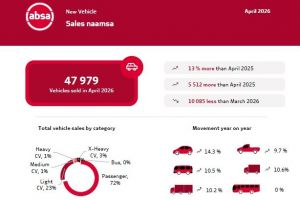
New vehicle sales in 2026 continued their positive trend in April, with the 47 979 units sold marking the best April figure since 2013. This represents a remarkable performance by local automotive retailers despite a host of economic headwinds and a challenging trading environment.
April 2026 marked a turning point in South Africa’s economic landscape, as global energy markets were jolted by escalating geopolitical tensions in the Middle East, according to naamsa | The Automotive Business Council.
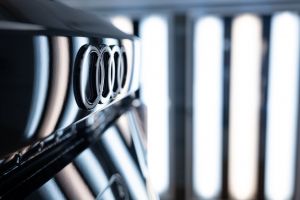
Audi is preparing to roll out its biggest SUV yet in the United States (US) this summer, betting that demand for high-end, three-row models will hold up even as trade tensions threaten to raise import costs.
New vehicle sales in 2026 continued their positive trend in April, with the 47 979 units sold marking the best April figure since 2013. This represents a remarkable performance by local automotive retailers despite a host of economic headwinds and a challenging trading environment.
April 2026 marked a turning point in South Africa’s economic landscape, as global energy markets were jolted by escalating geopolitical tensions in the Middle East, according to naamsa | The Automotive Business Council.
Audi is preparing to roll out its biggest SUV yet in the United States (US) this summer, betting that demand for high-end, three-row models will hold up even as trade tensions threaten to raise import costs.