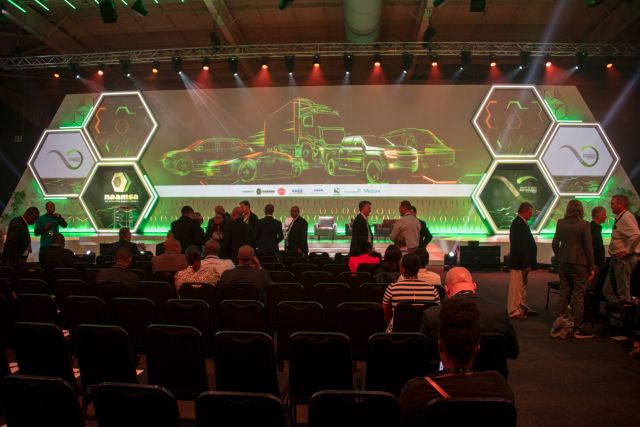
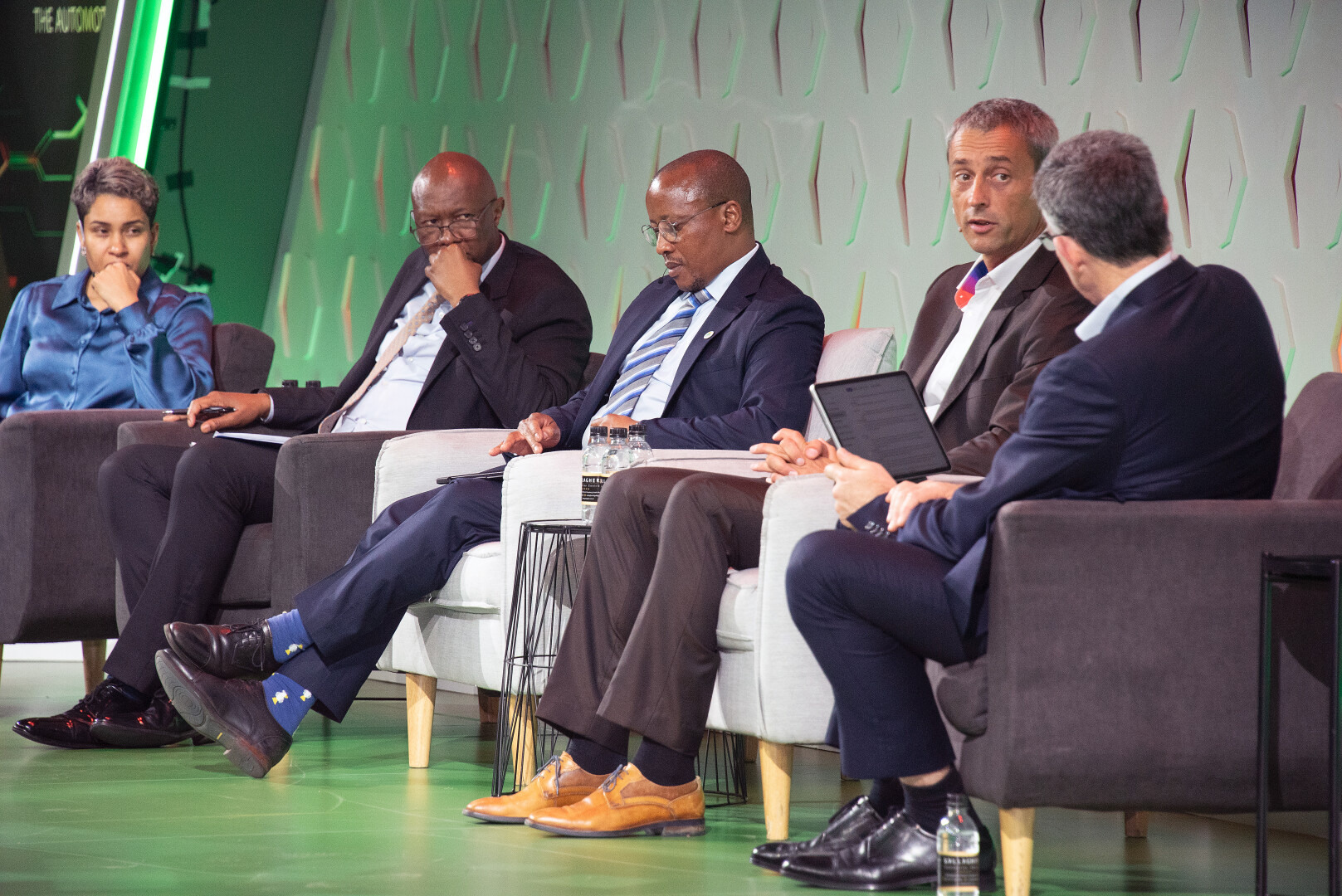
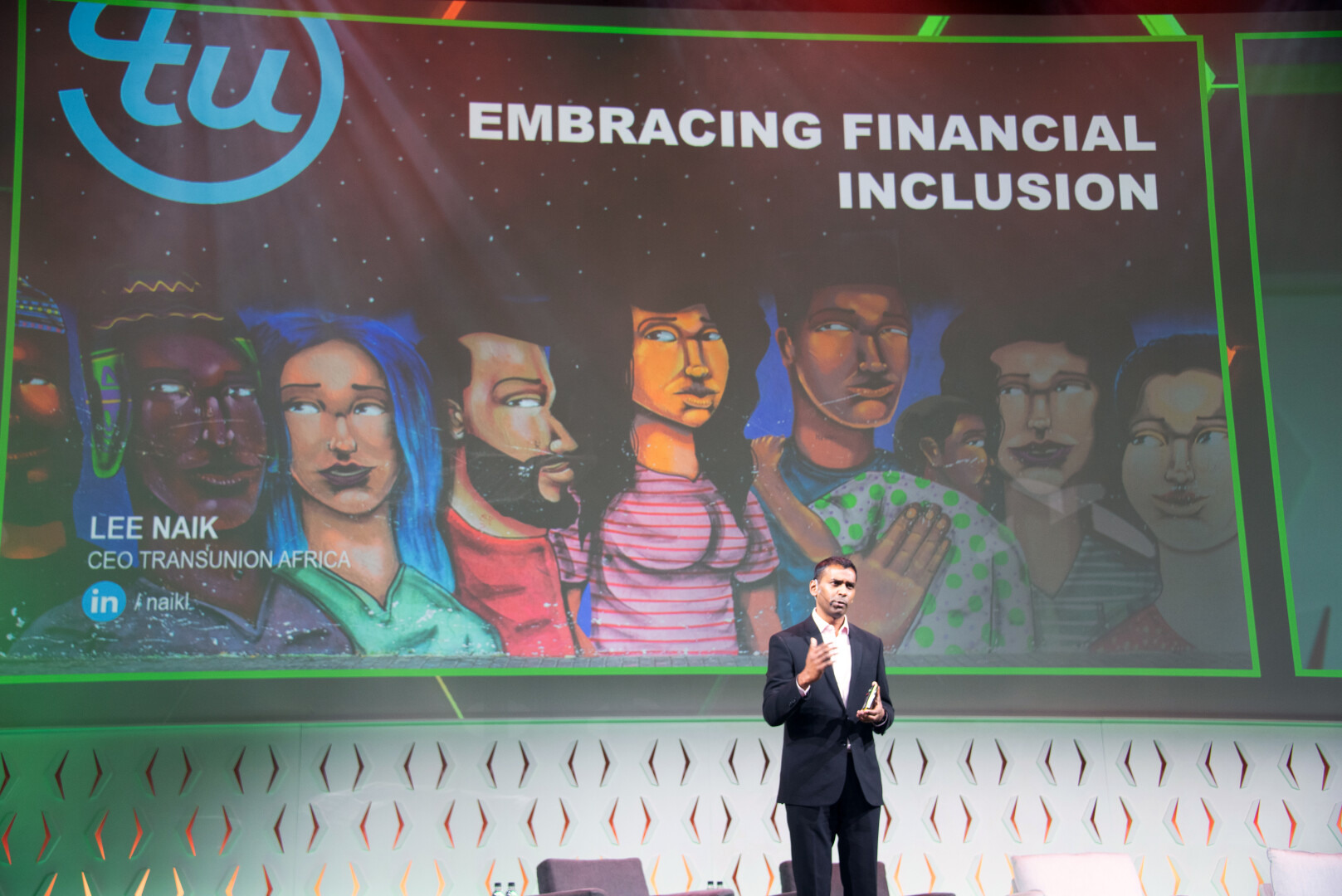
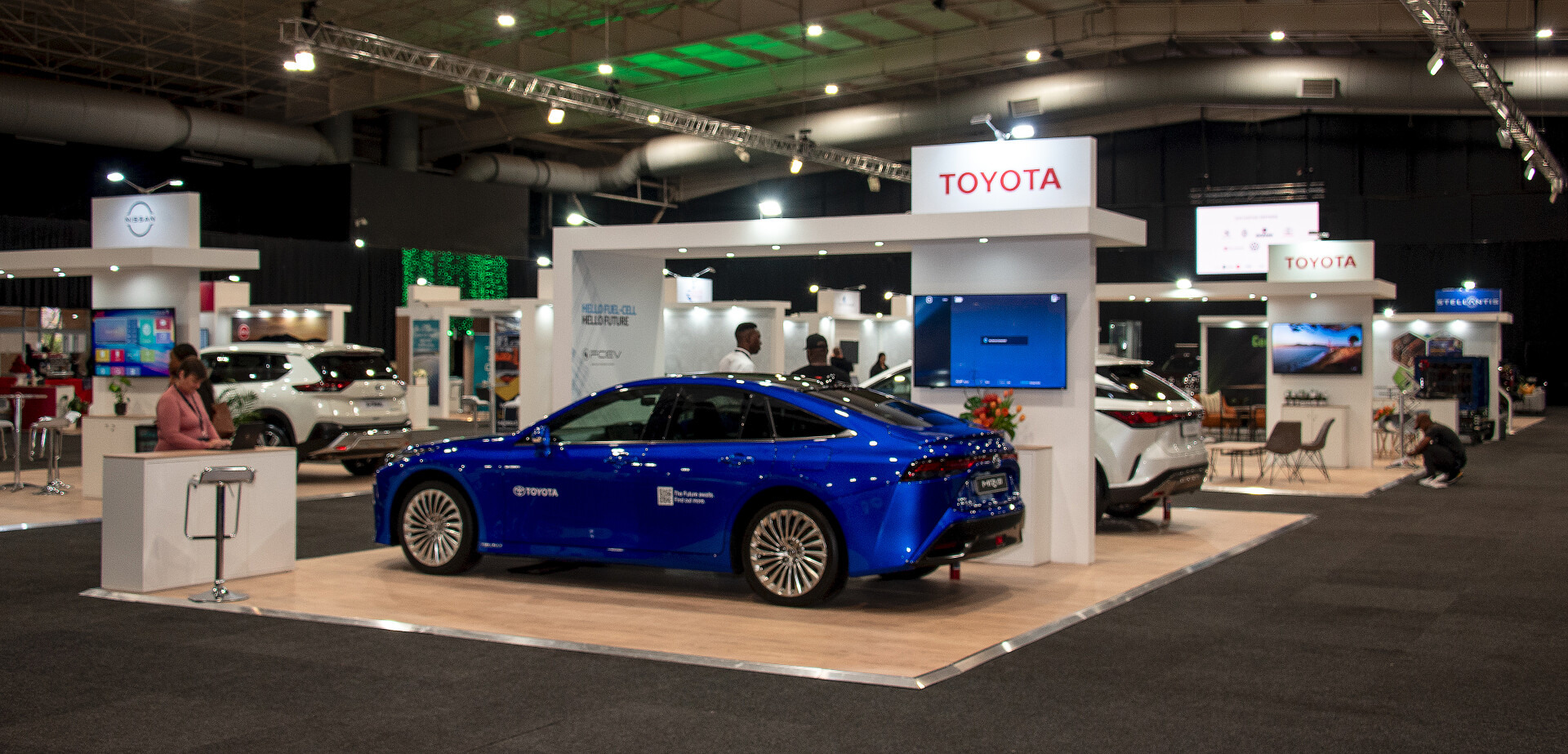
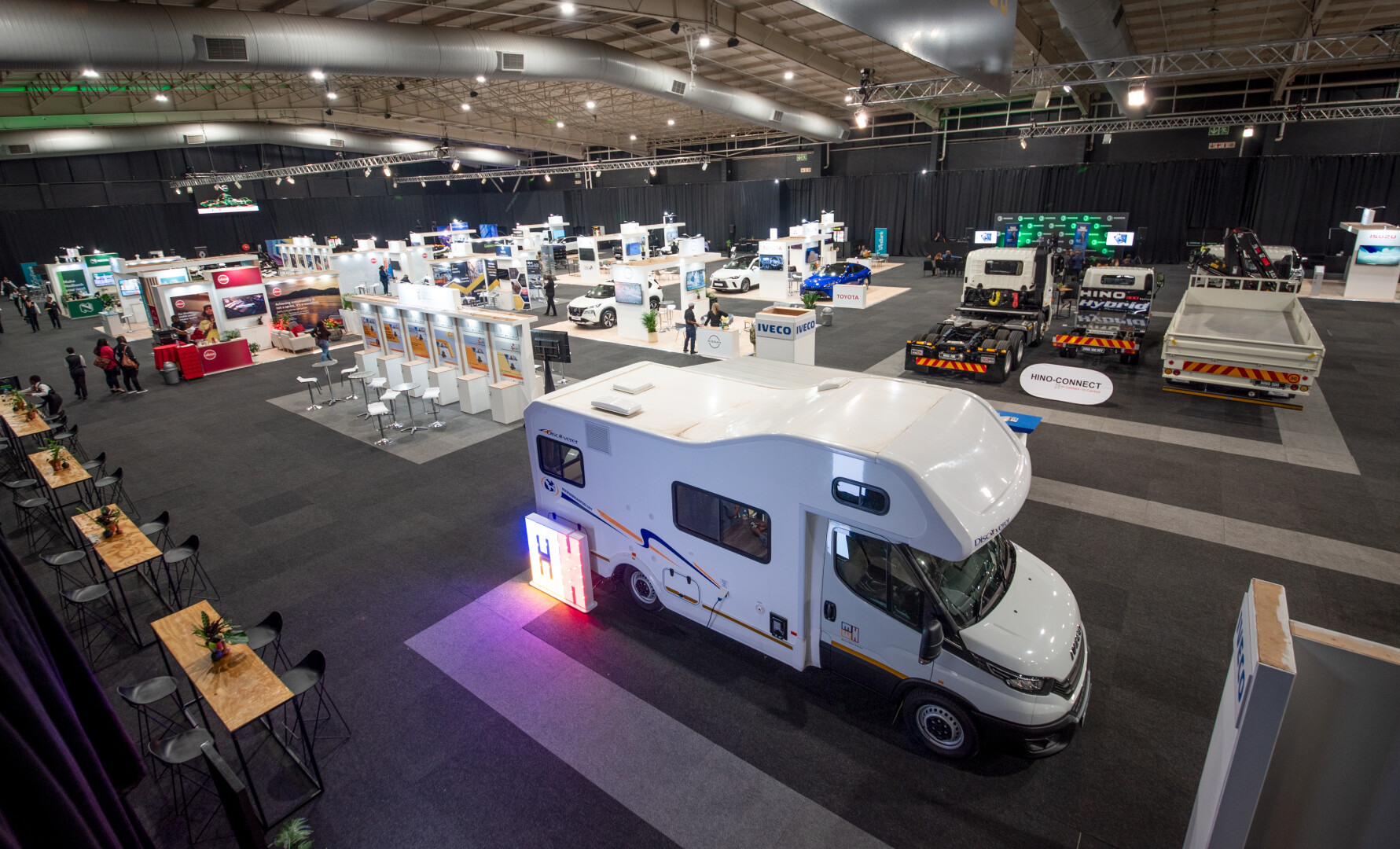
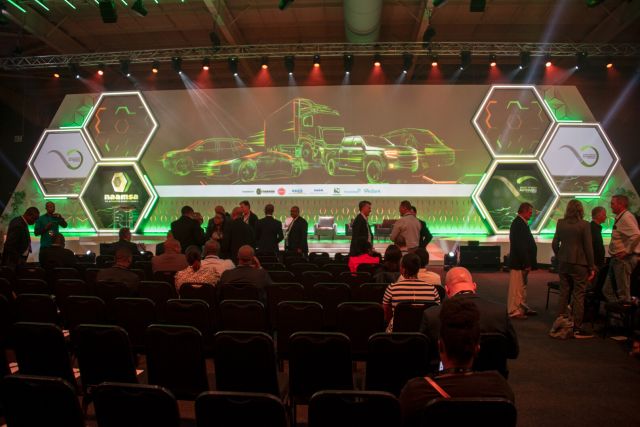
SA Auto Week, which forms part of the country’s Transport Month, kicked off at Gallagher Estate in Johannesburg with the focus on the South African automotive industry.
Share with friends
The event is run by naamsa, the Automotive Business Council, Auto Week and is the local automotive industry’s premium networking and thought leadership conference. It concludes its activities on Friday night with naamsa’s annual Accelerator Awards.
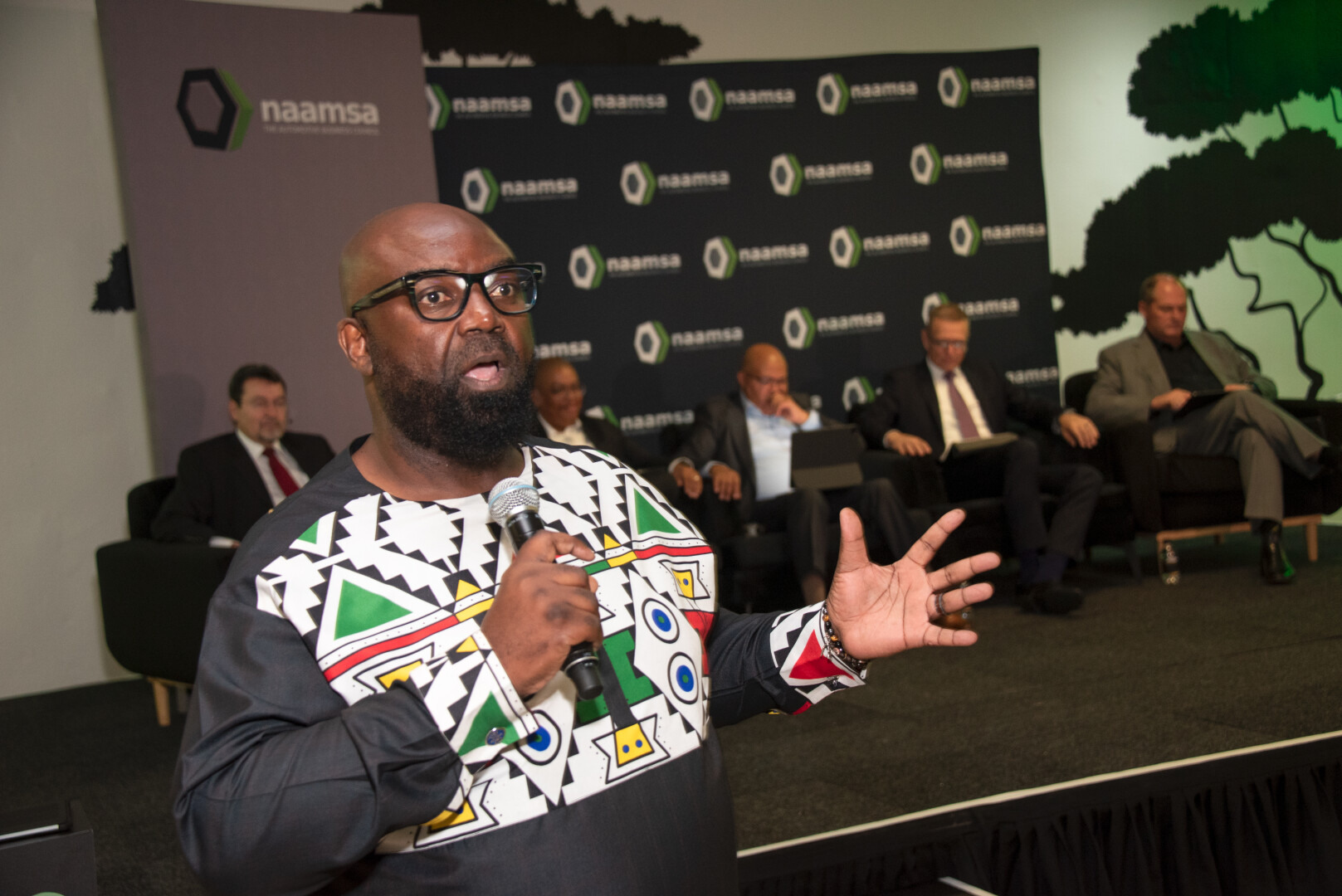
“SA Auto Week brings together all the role players in the industry to discuss its accomplishments and future, to highlight the latest technologies and debate policies currently under consideration,” says Mikel Mabasa, CEO of naamsa.
Mikel Mabasa (CEO of naamsa).
“It also creates a platform to discuss and manage the challenges presented by the global and local economy together, to ensure that the right decisions are made to support South Africa’s growth ambitions.”
According to naamsa, the local automotive industry is seen as the largest manufacturing industry in the South African economy and last year contributed around 4.9% to the country’s annual GDP. It directly employs 497 408 people formally and informally, which is 2.9% of the 16.2 million people employed in SA.
More importantly, the SA auto industry also exports products to 152 markets and last year generated R227.3 billion in export revenue for the country.
“The local automotive industry makes an extraordinary contribution to South Africa’s prosperity, and that is why it is important to secure its viability and growth, now and into the future,” Mikel says.
Also on the agenda was the highly anticipated announcement of a balanced New Energy Vehicle (NEV) policy by the South African government, accounting for both environmental factors (early adoption) and production support (investment mobilisation). This announcement is expected early in November 2023.
“As an industry reliant on exports to markets like Europe, which has shifted away from ICE vehicles, we have to be able to adapt and meet these stringent demands in order to continue delivering vehicles there and to other similar markets,” says Billy Tom, naamsa President and CEO of Isuzu Motors South Africa.
He adds: “Locally, our approach to the continued introduction of NEVs will need to take into consideration aspects such as charging infrastructure and offering the correct balance between hybrid, plug-in and Battery Electric Vehicles.”
For the year-to-date August 2023 compared to the same period last year, plug-in hybrid vehicle sales increased by 37.0%, traditional hybrid increased by 54.9% and electric vehicles increased by 128.5%. The NEV sales of 4 674 units accounted for 1.23% of total new vehicle sales recorded during this period.
Looking ahead, naamsa expects the new vehicle market to remain under pressure and the organisation has a subdued outlook over the medium term.
Other macro-economic factors that are expected to impact the SA vehicle market include continued loadshedding, commodity price fluctuations, backlogs at ports, as well as infrastructure deterioration of road and rail networks. Automotive legislation that is expected to affect the industry includes the constitutional ruling on the validity of AARTO, grey import strategies and the Automotive Production Development Policy (APDP2).
South Africa’s Deputy President, Hon Paul Mashatile, will address the conference on Friday and engage in round table talks with key industry role players.
Toyota South Africa Motors (TSAM) has reaffirmed the enduring popularity of its iconic Hilux, celebrating the largest recorded gathering of Hilux vehicles at the 2026 Nampo Harvest Day.
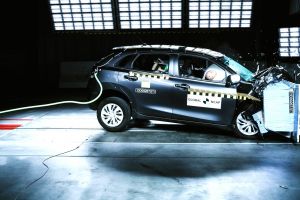
The Automobile Association of South Africa and Global NCAP have raised serious concerns following the crash test results of the previous generation Toyota Starlet, which received a zero-star rating for adult occupant protection in the latest #SaferCarsForAfrica campaign.
With the launch of what is believed to be the first South African app in ChatGPT, Naked is signalling how AI assistants could reshape financial services.
Toyota South Africa Motors (TSAM) has reaffirmed the enduring popularity of its iconic Hilux, celebrating the largest recorded gathering of Hilux vehicles at the 2026 Nampo Harvest Day.
The Automobile Association of South Africa and Global NCAP have raised serious concerns following the crash test results of the previous generation Toyota Starlet, which received a zero-star rating for adult occupant protection in the latest #SaferCarsForAfrica campaign.
With the launch of what is believed to be the first South African app in ChatGPT, Naked is signalling how AI assistants could reshape financial services.