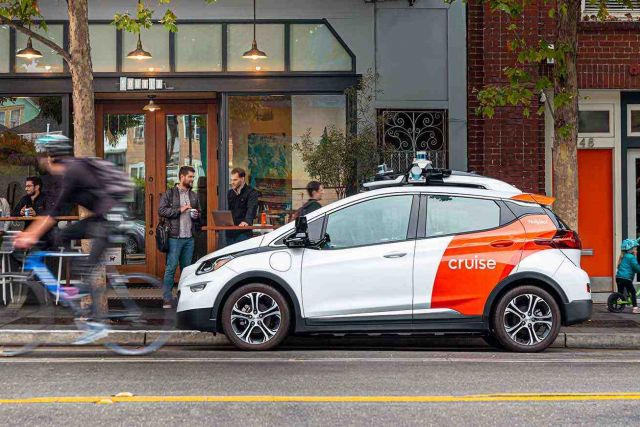
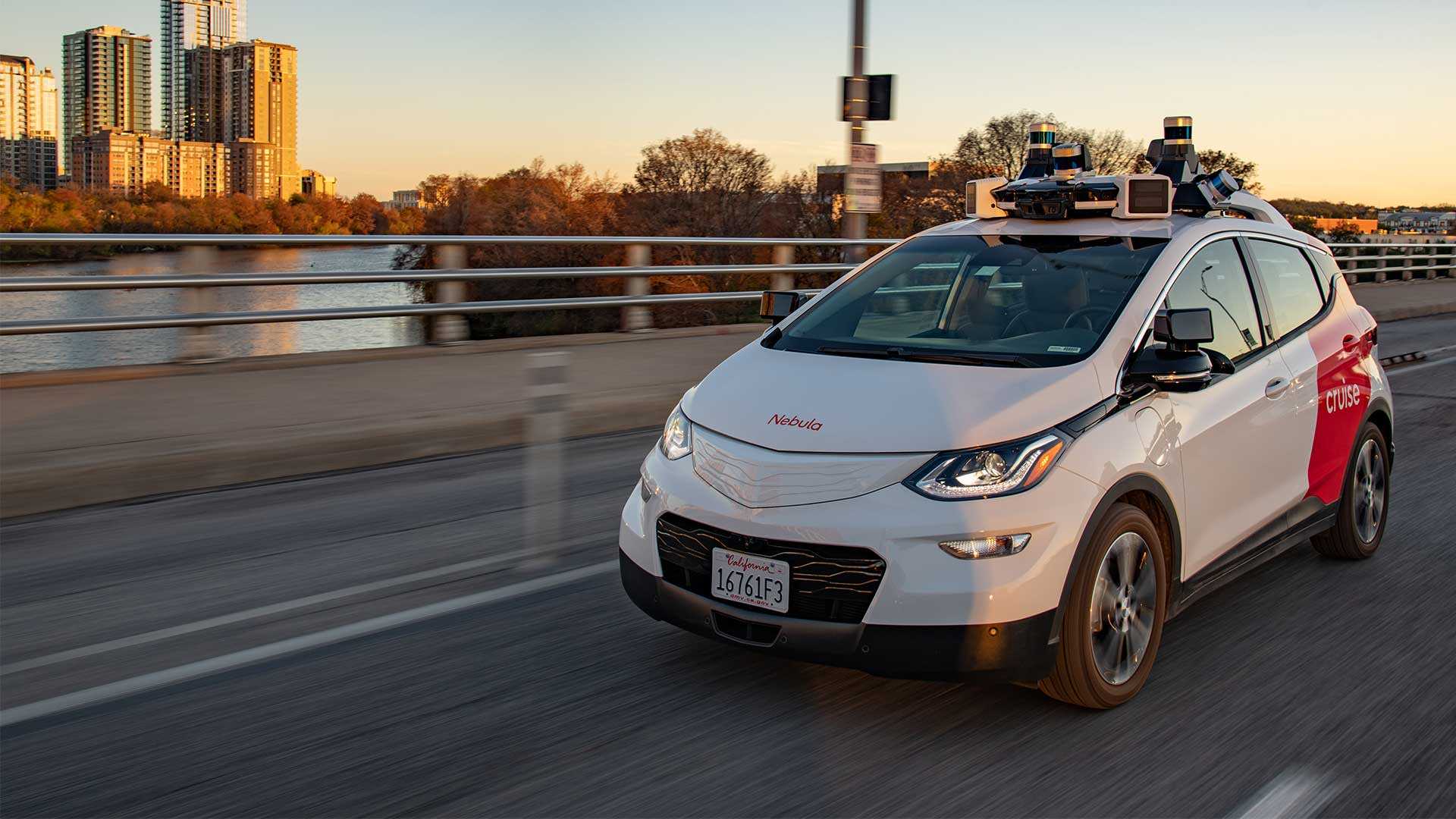
US and California officials said on Tuesday that they were in discussions with General Motors' self-driving unit, Cruise, about an accident in San Francisco involving a pedestrian hit by a vehicle into the path of a robot taxi.
Share with friends
A pedestrian was struck on 2 October by a hit-and-run driver and thrown into an adjacent lane and hit a second time by the Cruise robotaxi, which could not stop in time, the company said.
The self-driving vehicle came to a stop on top of the pedestrian, the San Francisco Fire Department said on social media, adding that the victim was freed using rescue tools and transported to a nearby trauma centre.
The National Highway Traffic Safety Administration (NHTSA) said on Tuesday that it "was aware of the incident and was in contact with the operator and local authorities to gather additional information."
The California Department of Motor Vehicles (DMV) said it met with Cruise on Tuesday to get more information on the incident and it "took all collisions involving autonomous vehicles seriously".
San Francisco police said Cruise was cooperating in the investigation.
Cruise allowed Reuters and other media outlets to view video of the crash, which was consistent with the company's statement.
The DMV in August said it was investigating "recent concerning incidents" involving Cruise vehicles in San Francisco and asked the company to take half its robotaxis off the roads, a request Cruise complied with.
The DMV noted on Tuesday that the Cruise investigation is ongoing and that it could "suspend or revoke testing and/or deployment permits if it was determined to be an unreasonable risk to public safety". The Teamsters Union last week asked NHTSA to deny a petition from Cruise seeking permission to deploy up to 2,500 self-driving vehicles annually without human controls like steering wheels.
Cruise wants to deploy its Origin vehicle, which has subway-like doors and no steering wheels. Current robotaxis in use on public roads have human controls.
In December, NHTSA opened a formal safety probe into the autonomous driving system in vehicles produced by Cruise after reports of two injuries in rear-end crashes. NHTSA said Cruise vehicles "may engage in inappropriately hard braking or become immobilised".
The Kia Carens nameplate makes its return to South Africa, this time as a seven‑seater designed with families in mind. It combines Sport Utility Vehicle (SUV) styling with Multi-Purpose Vehicle (MPV) practicality, offering space, comfort and efficiency, Kia says.
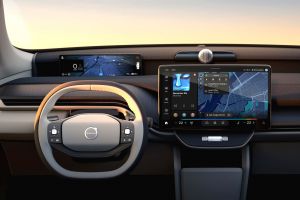
Volvo has confirmed that its vehicles will now integrate Google’s Gemini artificial intelligence system. This development builds on the company’s existing collaboration with Google, which already provides Android Automotive OS and Google services in Volvo models.
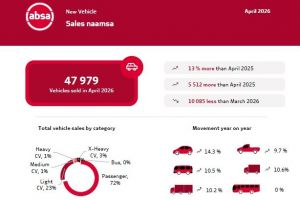
New vehicle sales in 2026 continued their positive trend in April, with the 47 979 units sold marking the best April figure since 2013. This represents a remarkable performance by local automotive retailers despite a host of economic headwinds and a challenging trading environment.
Volvo has confirmed that its vehicles will now integrate Google’s Gemini artificial intelligence system. This development builds on the company’s existing collaboration with Google, which already provides Android Automotive OS and Google services in Volvo models.
New vehicle sales in 2026 continued their positive trend in April, with the 47 979 units sold marking the best April figure since 2013. This represents a remarkable performance by local automotive retailers despite a host of economic headwinds and a challenging trading environment.
April 2026 marked a turning point in South Africa’s economic landscape, as global energy markets were jolted by escalating geopolitical tensions in the Middle East, according to naamsa | The Automotive Business Council.