Record deliveries and strong market demand propel Toyota’s global sales in 2025
Toyota Motor Corporation closed 2025 with a landmark performance, further cementing its status as the world’s best‑selling carmaker.
Share with friends
The Japanese manufacturer recorded global deliveries of 11.3 million vehicles, representing a 4.6 percent rise on the previous year and widening its lead over competitors such as the Volkswagen Group and Hyundai Motor Group.
Toyota’s strong results were underpinned by robust demand in the United States (US), enduring strength in Japan, and rapidly increasing interest in hybrid vehicles. In the US, one of Toyota’s principal markets, demand remained particularly strong, helping the company counter broader industry challenges including American tariff measures on imports, renewed semiconductor constraints, and cautious consumer behaviour amid rising living costs.
Hybrids and US manufacturing driving growth:
Hybrid technology continued to act as a cornerstone of Toyota’s global strategy in 2025. Electrified models made up a significant portion of total worldwide sales, with hybrid vehicles vastly outperforming fully battery‑electric models. This long‑term focus offered customers a fuel‑efficient solution without the infrastructure hurdles or higher ownership costs associated with electric vehicles.
To navigate tariff‑related pressures in the US, Toyota also expanded its local manufacturing footprint, raising domestic output by nearly 10 percent to approximately 1.4 million vehicles. This strengthened local production not only supported competitive pricing across North America but also softened the financial effects of trade barriers.
Competitive environment and market shifts:
Whilst Toyota increased its global presence, several of its competitors experienced mixed fortunes. Volkswagen saw its 2025 volume decline, and Hyundai’s performance remained largely steady, reinforcing Toyota’s resilience in a challenging year for the automotive sector.
More broadly, economic pressures contributed to cautious consumer spending, yet Toyota’s targeted emphasis on high‑demand categories—most notably hybrids and popular SUVs, enabled it to retain its leadership. These shifting dynamics continue to influence competitive strategies as manufacturers adapt to changing customer expectations and stricter regulatory requirements.
Toyota’s performance in South Africa: A standout year:
Toyota’s success in 2025 was not limited to global markets; its performance in South Africa was similarly exceptional.
Toyota South Africa Motors achieved its strongest annual sales since 2007, benefiting from a general recovery in local vehicle demand and robust sales across its model range.
Over the course of 2025, the company registered 148,124 vehicle sales, securing a commanding 24.8 percent share of South Africa’s new‑vehicle market—a clear demonstration of its market leadership.
Key models and local production:
A number of prominent Toyota models were instrumental in achieving these results:
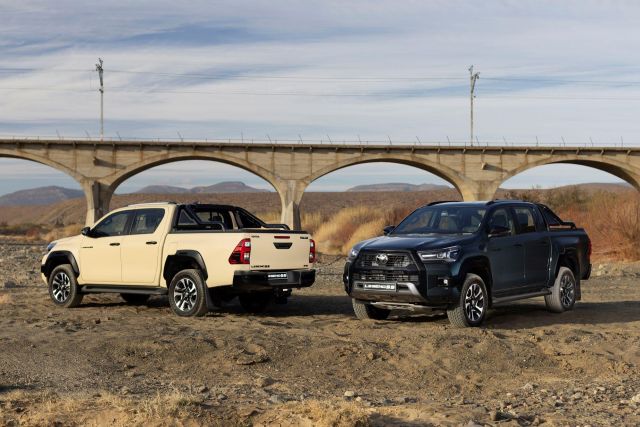
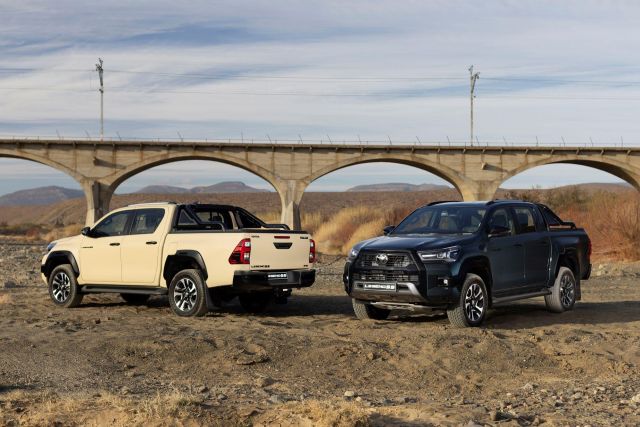
Hilux
remained South Africa’s best‑selling vehicle, achieving 36 525 sales and maintaining its long‑standing popularity among both private buyers and commercial operators.
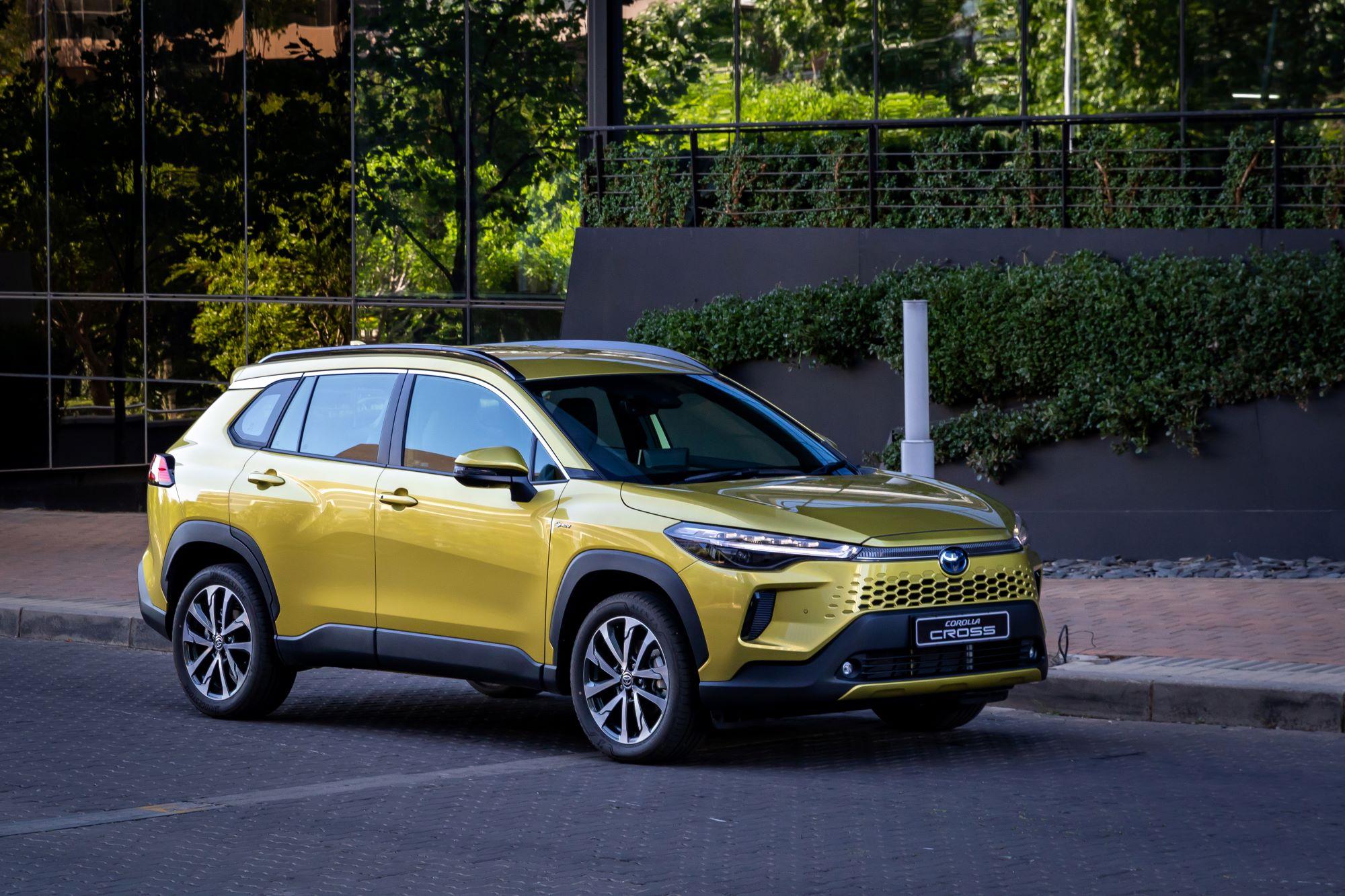
The Corolla Cross continued its strong momentum with 22 191 units sold, while the Fortuner SUV added a further 9 049 sales.
The locally assembled Hiace Taxi also strengthened Toyota’s position in the commercial sector, reaching 6,815 units sold.
All of these vehicles were produced at the Prospecton manufacturing facility in KwaZulu‑Natal, highlighting the strategic importance of local assembly in improving supply, ensuring affordability, and meeting domestic demand.
Toyota’s impressive results coincided with South Africa’s new‑vehicle market achieving its highest sales levels in a decade, with nearly 600 000 new vehicles sold nationwide in 2025. Improved consumer confidence, moderating inflation, and better stock availability all contributed to stronger industry performance.
As fuel prices continue to climb across South Africa, many motorists are beginning to question whether owning a car still makes financial sense. With in-land petrol prices now at R26.63 a litre and diesel costs rising sharply in May, transport expenses are placing growing pressure on household budgets.
Pinewood.AI has added two new embedded modules to its Business Intelligence Solution, giving dealers and OEMs greater insight into financial performance and the customer journey, it says.
Pinewood.AI has added two new embedded modules to its Business Intelligence Solution, giving dealers and OEMs greater insight into financial performance and the customer journey, it says.
Margins are shrinking, customers are under financial strain, and competition is intensifying across South Africa’s motor retail sector. Against this backdrop, dealerships are being forced to rethink how they remain profitable while still building customer trust and long term sustainability.
Ford will launch seven new models in Europe by 2029, it announced recently, as it seeks to grow its flagging passenger car sales, fend off fierce competition from Chinese rivals and maintain an edge in the continent's commercial vehicle market.