Headline consumer price inflation eased to 3.5% year-on-year in January, with core inflation contained at 3.4%, signalling that underlying price pressures remain manageable.
Producer price inflation for final manufactured goods slowed to 2.2% year-on-year, suggesting easing factory-gate cost pressures despite persistent structural input costs in electricity and intermediate goods. These dynamics have moderated vehicle price inflation and support real household purchasing power.
The 2026 Budget reinforced fiscal credibility through a cautious but consistent consolidation path, with gross debt projected to stabilise over the medium term. Market expectations of further interest rate reductions during 2026 continue to underpin affordability in interest-rate-sensitive sectors such as automotive retail.
Labour market indicators showed modest improvement in the fourth quarter of 2025, with the official unemployment rate easing to 31.4% as employment increased. Retail trade sales expanded by 2.6% year- on-year in December, while annual retail growth of 3.7% for 2025 confirms a gradual recovery in consumer activity. Early signs of stabilisation in the housing market, particularly in middle-income segments, provide an additional supportive signal for passenger vehicle demand.
While the February new vehicle sales performance remains encouraging, it unfolds against a shifting global energy backdrop and confirmed domestic cost adjustments that warrant careful monitoring. The 2026 Budget confirmed fuel levy increases effective 2 April 2026, with the general fuel levy rising by 9 cents per litre for petrol and 8 cents per litre for diesel, the carbon fuel levy increasing by 5 cents per litre for petrol and 6 cents for diesel, and the Road Accident Fund levy, previously expected to remain unchanged, increasing by 7 cents per litre.
Collectively, these measures will incrementally raise the cost of fuel at the pump, feeding into higher operating costs for both households and businesses, thereby affecting calculations of total cost of vehicle ownership.
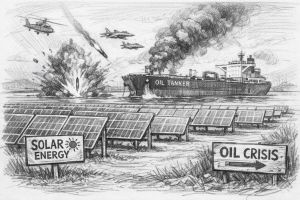
Compounding these domestic levy adjustments, global oil markets have responded sharply to intensifying geopolitical tensions in the Middle East. Brent crude has breached the US$80 per barrel mark amid escalations following major military operations in the region, with risks that sustained disruption around the Strait of Hormuz, a chokepoint for roughly 20% of global oil shipments, could embed a geopolitical risk premium into prices for an extended period. Elevated crude prices, if maintained, would feed into
international refined fuel costs and, ultimately, domestic pump prices. For South Africa, this will potentially dampen discretionary consumption, including new vehicle purchases.
At the same time, the South African rand, which had strengthened on the back of fiscal consolidation signals in the Budget, has experienced slight depreciation amid these same global risk-off shifts, trading around R16.16 to the US dollar as risk sentiment favours safe-haven assets.
A softer rand against the dollar increases the rand cost of crude oil imports and imported automotive inputs, counterbalancing some of the earlier budget-driven currency strength and exerting further pass-through into local fuel prices.
Taken together, these fuel levy adjustments, elevated international crude prices, and currency dynamics imply an inflationary impulse for transport-related costs that could, in the short to medium term, weigh on consumer purchasing power and total cost of vehicle ownership.
While moderating inflation broadly and expected monetary accommodation remain supportive, these energy price pressures and exchange rate effects underscore the importance of monitoring related cost inflation as part of the overall demand outlook for new vehicles in 2026.
Photo: Unsplash