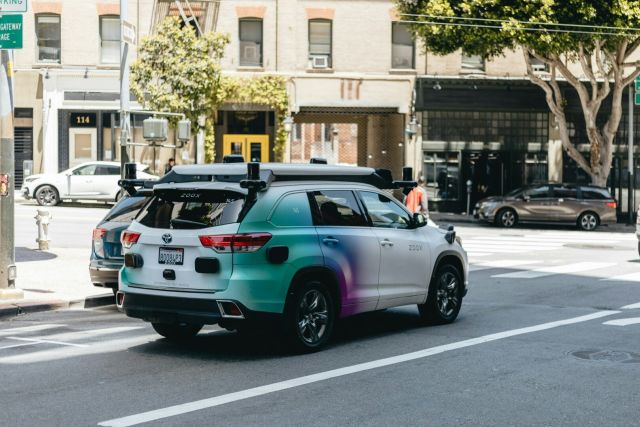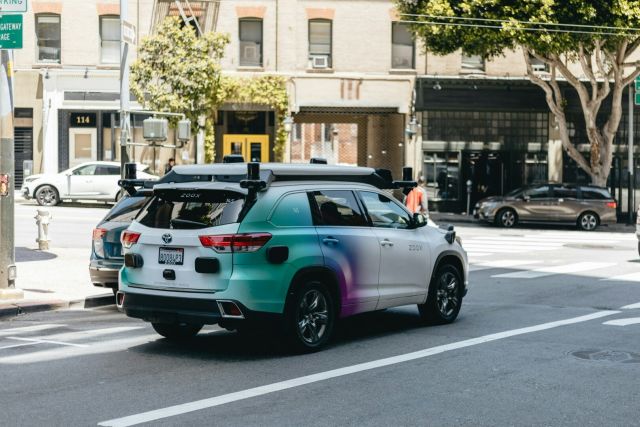
A seemingly routine traffic stop in California exposed a critical blind spot in the regulation of self-driving vehicles in the United States (US). Traffic police pulled over a self-driving vehicle operated by a ride-hailing company after it executed an illegal U-turn.
The vehicle manufacturer attributed the violation to a system glitch, but the officers’ uncertainty about how to proceed, revealed another significant challenge to fully autonomous vehicles. The CEO of MasterDrive, Eugene Herbert, expands: “While they could stop the vehicle and issue a warning, there is no legal framework to uphold a citation against ‘a machine’ or driverless vehicles.”
This is not the first incident involving self-driving vehicles either. “Between 2019 and June 2024, nearly 4 000 autonomous vehicle incidents, that resulted in injuries or fatalities, were recorded in US.
“These figures exclude traffic violations that do not result in collisions as these are far more difficult to track due to enforcement gaps as highlighted in this example. Without a legal mechanism to cite violations, many infractions by autonomous vehicles likely go unrecorded, making it impossible to assess the true scope of ‘glitches,’” Eugene says.
It shows that even in technologically advanced regions that are pioneering autonomous vehicle development, legal infrastructure lags compared to the innovation. This California case offers two crucial considerations for the South African approach to autonomous vehicles, he states:
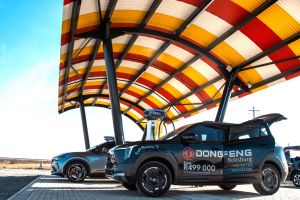
First, while South Africa currently lacks several fundamental prerequisites for self-driving cars like a comprehensive 5G network coverage, consistently clear road markings and signage, and a reliable power grid, this incident underscores another essential requirement. “Before autonomous vehicles can safely navigate South African roads, lawmakers must establish clear legal frameworks addressing liability, enforcement, and accountability.
“These laws are meant to protect other road users and passengers in self-driving vehicles while ensuring traffic authorities have the necessary tools to manage law enforcement effectively. According to South African law, autonomous vehicles cannot even enter the roads until these regulations are in place unlike California that discovered the gap after the fact,” Eugene says.
The second issue transcends geographical boundaries. “Drivers or passengers surrendering control to self-driving cars operate on a crucial assumption: that these vehicles undergo rigorous testing and would not be permitted on public roads unless proven safe and capable of operating legally.
“When such failures as the California one occurs, without clear accountability or consequences, public confidence erodes. If a vehicle can commit a traffic violation with impunity due to regulatory gaps, how can users trust that safety was adequately prioritised?”
As autonomous technology advances globally, regulators must move proactively rather than reactively. “The path to fully autonomous vehicles requires more than technological innovation but also a legal framework that can keep pace with the technology it governs,” Eugene concludes.