

New JMC Vigus will make an impression
Following the official brand re-launch by the Salvador Caetano Group, JMC South Africa announce the arrival of the All-New JMC Vigus.
- Product News
- 17 April 2026
In a stark reminder of the COVID-19 pandemic, working from home may soon return on a wider scale as governments and organisations look for ways to curb fuel consumption amid a global oil supply shock.

The International Energy Agency (IEA) has outlined a series of demand-side measures aimed at easing pressure on consumers following major disruptions to oil markets caused by conflict in the Middle East. Chief among these is a renewed push for remote working, seen as one of the quickest ways to reduce fuel demand.
The crisis has triggered one of the most significant supply disruptions in modern oil market history. Shipping through the Strait of Hormuz, a vital artery that typically carries around 20% of global oil consumption, has slowed dramatically.
Roughly 20 million barrels per day of crude oil and refined products usually pass through this route, and the reduction has tightened supply, pushing crude prices above $100 per barrel. Refined fuels such as diesel, jet fuel and liquefied petroleum gas (LPG) have seen even sharper increases.
While restoring flows through the Strait remains critical, governments have already begun responding. On 11 March, IEA member countries agreed to release 400 million barrels from emergency reserves, marking the largest coordinated stock draw in the agency’s history.
However, supply-side interventions alone are unlikely to fully offset the disruption. Reducing demand is now viewed as an immediate and practical tool to lower costs, improve affordability and strengthen energy security.
The IEA’s latest report identifies ten actions that can be implemented quickly by governments, businesses and households. These measures focus largely on road transport, which accounts for approximately 45% of global oil demand, but also extend to aviation, cooking and industry. If widely adopted, they could significantly soften the impact of the crisis.
Road transport presents the greatest opportunity for immediate savings. Behavioural shifts and targeted policies, many of which have been used in previous crises, can deliver rapid results. At the same time, measures in aviation, household energy use and industrial processes can help protect critical fuel supplies and limit further price escalation.
Governments are expected to play a leading role through regulation, incentives and public sector initiatives, while ensuring that financial support is targeted and sustainable. Experience from past crises suggests that well-directed assistance is more effective than broad subsidies.
Although these demand-side measures cannot fully compensate for lost supply, they can meaningfully reduce pressure on markets and help preserve fuel for essential uses until stability returns.
Ten immediate actions to reduce fuel demand:
As countries continue to respond, the success of these measures will depend largely on public cooperation and the speed at which they can be implemented.
(Image: AI generated)

Following the official brand re-launch by the Salvador Caetano Group, JMC South Africa announce the arrival of the All-New JMC Vigus.

Jetour South Africa hosted its inaugural Dealer of the Year Awards on Tuesday night, bringing together its national dealer network of nearly 60 dealerships.
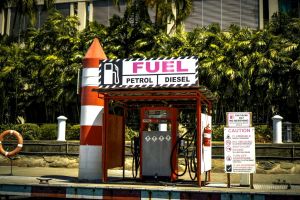
South Africa’s motorists and automotive sector are facing a fresh layer of uncertainty as the Middle East conflict continues to disrupt global oil markets, but for now the country’s fuel supply remains stable even as costs rise.
 Advertisement
 Advertisement
I have bad reflexes. I was once run over by a car being pushed by two guys
Woody Allen
South Africa’s motorists and automotive sector are facing a fresh layer of uncertainty as the Middle East conflict continues to disrupt global oil markets, but for now the country’s fuel supply remains stable even as costs rise.

Stellantis has struck a five year strategic partnership with Microsoft as it accelerates its shift towards software defined vehicles and digital services.
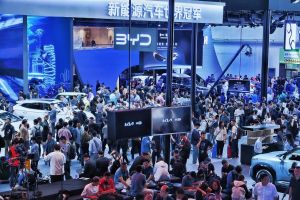
Auto China 2026 marks another milestone in the evolution of an event that has tracked China’s rise from emerging market to global automotive powerhouse.