
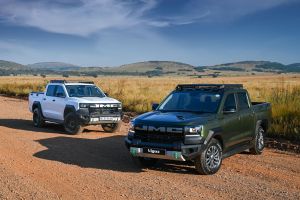
New JMC Vigus will make an impression
Following the official brand re-launch by the Salvador Caetano Group, JMC South Africa announce the arrival of the All-New JMC Vigus.
- Product News
- 17 April 2026
After months of speculation Nissan announced it will no longer manufacture vehicles at its plant in Rosslyn outside Pretoria. Instead Nissan products will going forward be imported and the Rosslyn plant will be sold to Chery SA.
Nissan and Chery SA have reached agreement on the acquisition of Nissan’s manufacturing assets in Rosslyn, South Africa.
Subject to the fulfilment of certain conditions, including regulatory approvals, Chery SA will purchase the land, buildings and associated assets of the Nissan facilities, including of its nearby stamping plant, in mid-2026.
The agreement will see the majority of associated Nissan employees offered employment by Chery SA on substantially similar terms and conditions as today.
Jordi Vila, Nissan Africa President, said: “Nissan has a long and proud history in South Africa and has been working to find the best solution for our people, our customers and our partners. External factors have had a well-known impact on the utilisation of the Rosslyn plant and its future viability within Nissan.
“Through this agreement we’re able to secure employment for the majority of our workforce thereby also preserving opportunities for our supplier network. This move also ensures that the Rosslyn site will continue contributing to the South African automotive sector.”
Following the acquisition of the plant by Chery SA, Nissan will continue to offer vehicles and services to customers in South Africa, as before, with several new vehicle launches planned for fiscal year 2026 including the Nissan Tekton and Nissan Patrol.
Following the official brand re-launch by the Salvador Caetano Group, JMC South Africa announce the arrival of the All-New JMC Vigus.
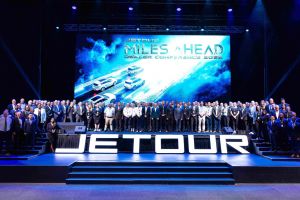
Jetour South Africa hosted its inaugural Dealer of the Year Awards on Tuesday night, bringing together its national dealer network of nearly 60 dealerships.

South Africa’s motorists and automotive sector are facing a fresh layer of uncertainty as the Middle East conflict continues to disrupt global oil markets, but for now the country’s fuel supply remains stable even as costs rise.
 Advertisement
 Advertisement
Have you ever noticed that anybody driving slower than you is an idiot, and anyone going faster than you is a maniac?
George Carlin
South Africa’s motorists and automotive sector are facing a fresh layer of uncertainty as the Middle East conflict continues to disrupt global oil markets, but for now the country’s fuel supply remains stable even as costs rise.

Stellantis has struck a five year strategic partnership with Microsoft as it accelerates its shift towards software defined vehicles and digital services.
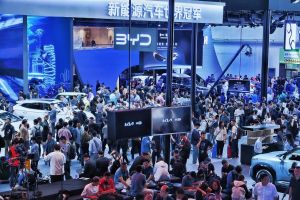
Auto China 2026 marks another milestone in the evolution of an event that has tracked China’s rise from emerging market to global automotive powerhouse.