
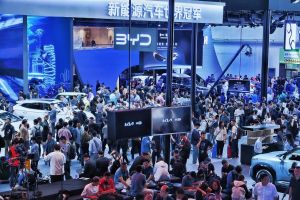
Auto China 2026 promises to be milestone event
Auto China 2026 marks another milestone in the evolution of an event that has tracked China’s rise from emerging market to global automotive powerhouse.
- Industry News
- 16 April 2026
Nissan is reshaping its future by cutting back the number of models it sells globally and putting more focus on electric and hybrid technology as it works to recover from years of financial and operational pressure.
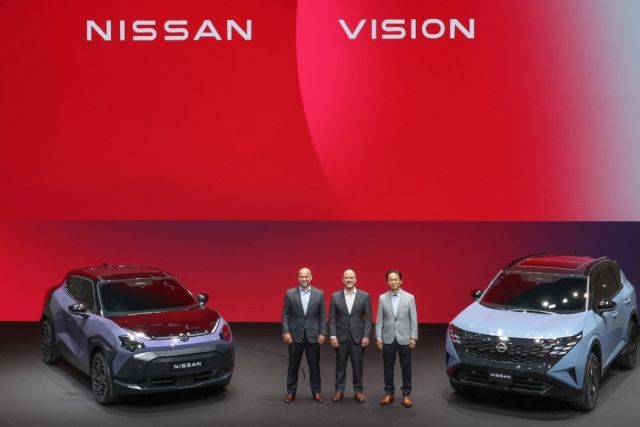
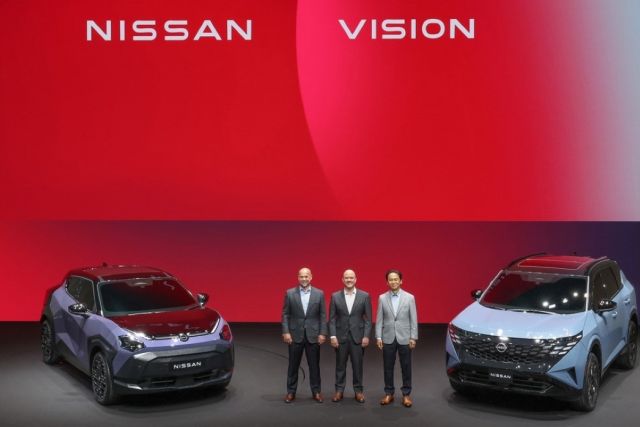
This was announced during Nissan Vision of Mobility Intelligence for Everyday Life event where Nissan Motor Co., Ltd. unveiled its new long term strategic direction and outlined the next phase of its recovery plan.
The Japanese carmaker this week outlined a long term strategy aimed at simplifying its business, lowering costs and making its line-up more relevant to changing customer demand. A key part of the plan is reducing its global model count from 56 to 45 while expanding the number of powertrain choices within each model range.
The move forms part of Nissan’s broader recovery efforts under its Re:Nissan plan, which is now in its final year. The company says the restructuring is already helping to improve factory use, cut costs and create momentum for new products.
Fewer models:
At the centre of the strategy is a simpler product line-up. Nissan says it will exit weaker performing models and focus investment on vehicles that can deliver higher volumes and stronger returns.
Rather than spreading resources across too many nameplates, the company wants each model to serve a clearer purpose. It has grouped future products into four categories: heartbeat models that define the brand, core models that drive volumes, growth models aimed at emerging demand, and partner models developed through alliances.
This approach is designed to speed up development, improve quality and make it easier to roll out new technology across multiple vehicles.
Hybrids and EVs take priority:
Electrification will play a central role in Nissan’s future line-up, with the company leaning heavily on both battery electric vehicles and hybrid systems.
A major part of that strategy is Nissan’s e-POWER hybrid technology, which uses an electric motor to drive the wheels while a petrol engine acts mainly as a generator. The system is meant to deliver the feel of an EV without the need for charging.
Nissan says e-POWER will continue to serve as an important bridge for customers not yet ready to switch to fully electric cars. At the same time, it plans to broaden its electrified offering with traditional hybrids, plug in hybrids and range extender systems through partnerships.
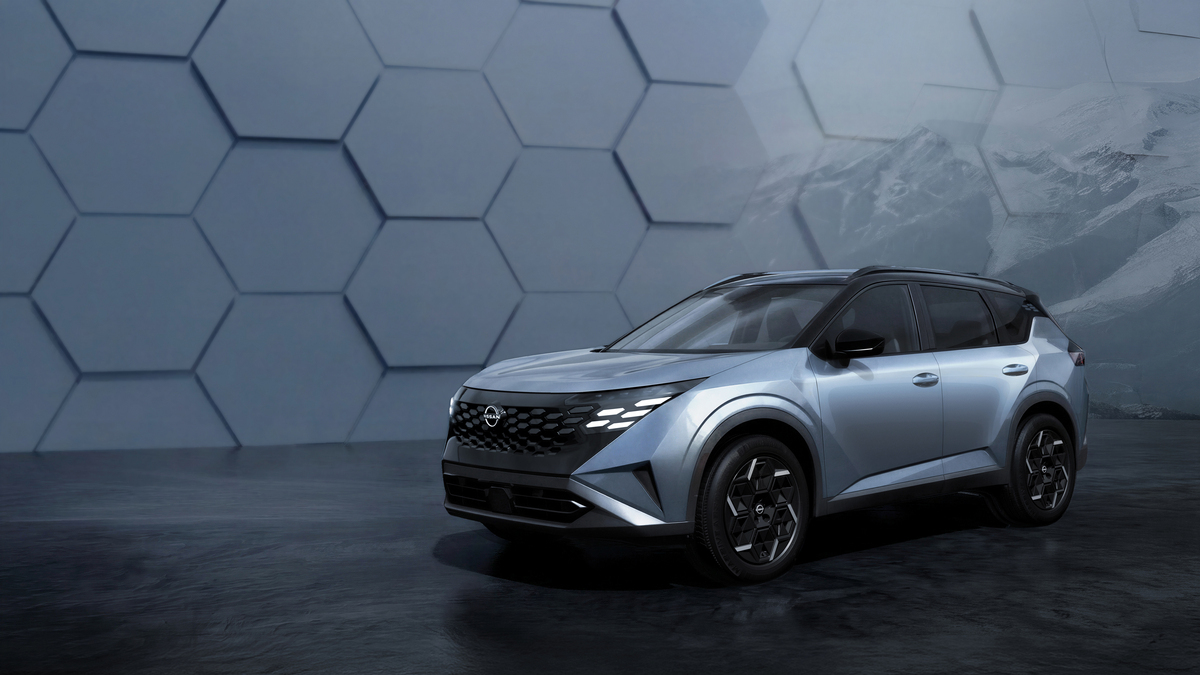
Among the first key products highlighted under the new strategy are the all new Nissan X-Trail and Nissan Rogue Hybrid e-POWER models. These are expected to be important global volume drivers.
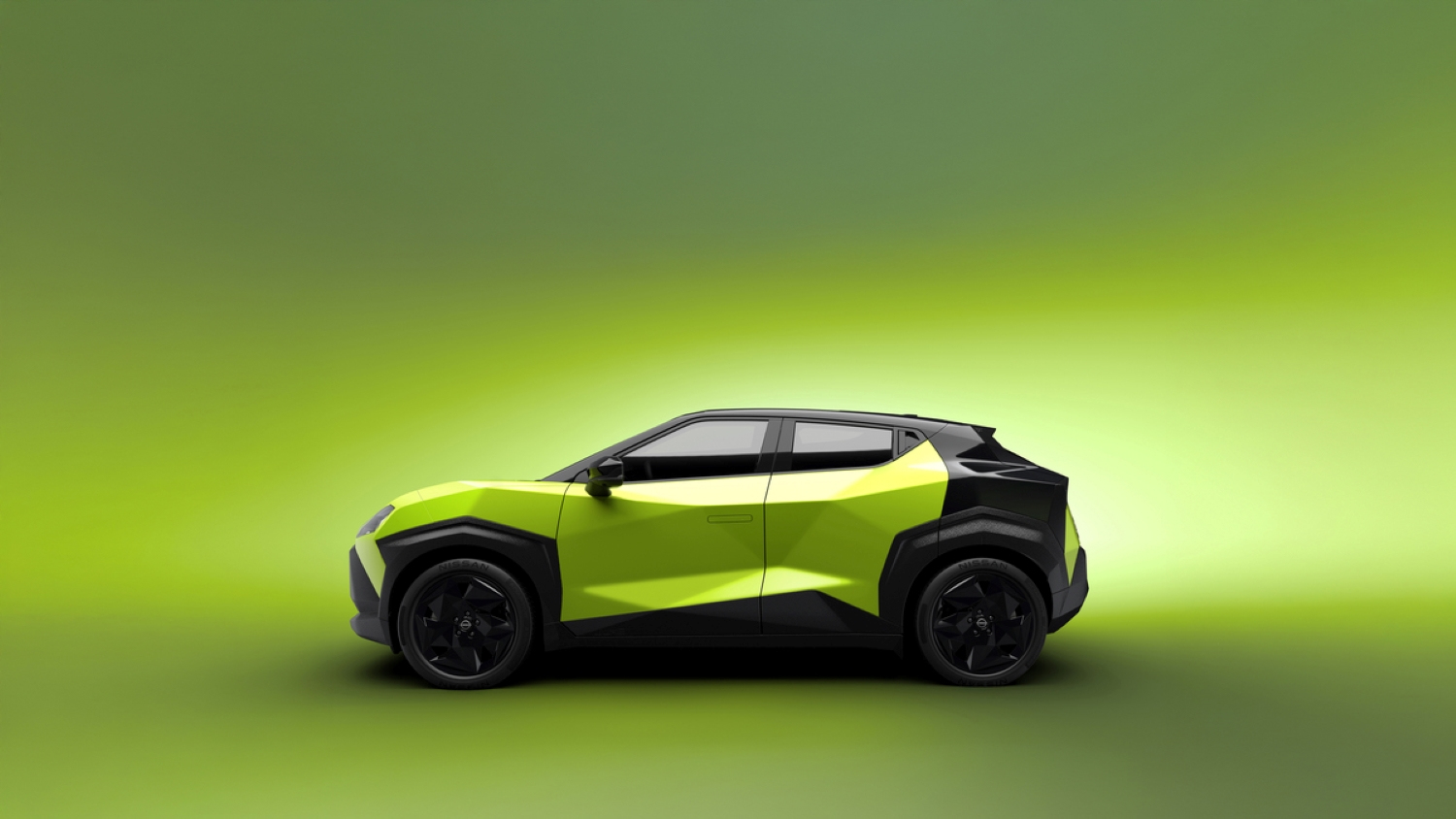
Nissan also confirmed the next generation Nissan Juke EV, which will bring full electric power to one of its best known compact crossovers.
These models reflect Nissan’s effort to offer buyers more choice while pushing lower emission technologies into mainstream segments.
AI and software also central:
Beyond electrification, Nissan is placing a major bet on software and artificial intelligence to improve safety and in car functionality.
The company aims to roll out its Nissan AI Drive technology across 90 percent of future models over time. This system will combine advanced driver assistance with broader vehicle intelligence. Nissan says this will make vehicles safer, easier to use and better integrated into daily life.
Ivan Espinosa, president and chief executive of Nissan Motor Co., Ltd., says this is the right moment to articulate Nissan’s long term vision as we look beyond the Re:Nissan plan and set a clear path for the future. “Our vision defines where Nissan is headed, with customer experience as our guiding priority.”
Key markets to drive recovery:
Nissan’s turnaround will also depend on stronger performance in its biggest markets.
Japan, the United States and China have been identified as the three lead markets that will anchor sales, technology and manufacturing.
In Japan, Nissan plans to use the market as a testing ground for new technology while growing annual sales to 550 000 units by 2030.
In the United States, the company is targeting a return to one million annual sales by the end of the decade, supported by hybrid SUVs and new body on frame vehicles.
China is expected to become a major source of lower cost development and exports, especially for new energy vehicles. Nissan is also targeting one million annual sales there by 2030.
Auto China 2026 marks another milestone in the evolution of an event that has tracked China’s rise from emerging market to global automotive powerhouse.
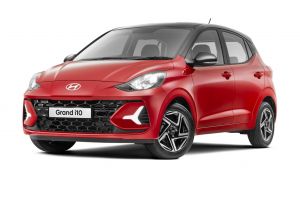
Hyundai Automotive South Africa is expanding its Hyundai Grand i10 range with the introduction of a new Executive derivative, as competition intensifies in the price-sensitive entry-level vehicle market.
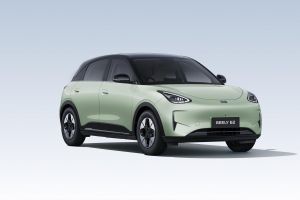
Geely has launched the new Geely Auto E2 in South Africa, adding a compact all electric hatchback to its growing local line up.
 Advertisement
 Advertisement
You can't buy happiness but you can buy cars and that's kind of the same thing.
Unknown
Auto China 2026 marks another milestone in the evolution of an event that has tracked China’s rise from emerging market to global automotive powerhouse.

Daimler Truck Southern Africa has appointed Mpho Matseba as the new Head of FUSO Trucks Southern Africa, effective 1 April 2026.
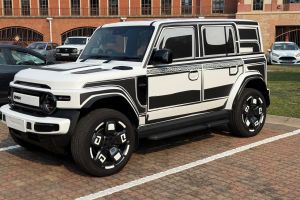
Chinese EV newcomer iCAUR is putting its promise of personalisation to the test in South Africa, with the brand now using an influencer-led design competition to show local buyers just how far they can tailor their vehicles to suit their own tastes.