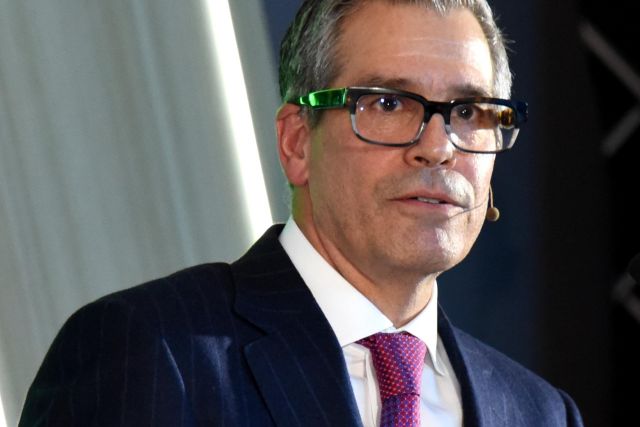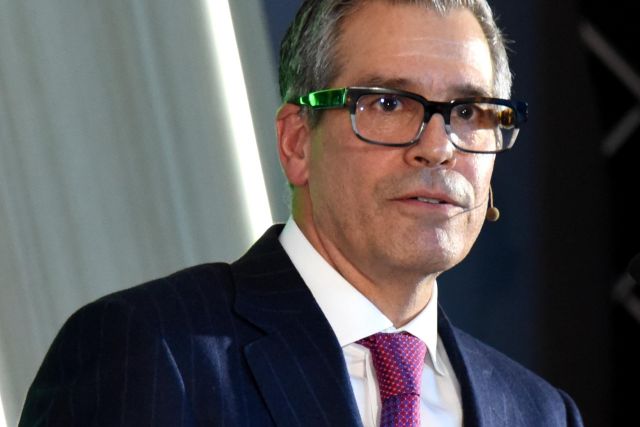
This is according to John Bozzella, president of the International Organisation of Vehicle Manufacturers (OICA), during his address at the Automotive Business Council’s SA Auto Week, which is currently taking place at the Kyalami Racetrack in Gauteng.
Around the world, the move to New Energy Vehicles (NEV) is picking up speed. Bozzella says that there are currently approximately 20 million new energy vehicles on the road, up from the just one million in 2016.
“Although it is an exciting change in personal mobility, this transformation in the automotive industry will impact workers, communities and societies everywhere,” says Bozzella.
One must keep in mind that many factors in this transformation process are beyond the control of vehicle manufacturers. Aspects like the charging infrastructure in a country or the acquisition of raw materials needed for the manufacturing of batteries are often dependent on or controlled by other stakeholders within the supply chain.
The automotive industry is thus in a new 50-year cycle of reinvention.
“For greater sustained progress, electric or hydrogen-fuelled vehicles won’t be the only answer,” says Bozzella. “It will require a tech-neutral approach suited to the geographical and socio-economic landscape of each region or country.”
The shift to NEV manufacturing will not happen overnight and it will be bumpy.
“The current semi-conductor shortage may be indicative of a larger problem within the automotive supply chain,” Bozzella says. “So, this shift to NEV allows for countries to shape more diversified supply chains, as well as new markets and standards.”
He said that a cleaner, safer and more connected future will depend on all stakeholders and that it should lead to more affordable vehicles for all consumers. It should also benefit workers and economies around the world.
“Shaping the policy landscape is critical in the years ahead on a national, regional and global level,” reckons Bozzella. “We are transforming the way the world drives.”