The National Automobile Dealers' Association (NADA) is taking several proactive steps to inspire more individuals to pursue a career in the retail automotive sector in response to the growing shortage of critical skills in the sector.
Share with friends
"The NADA membership is united in its commitment to attracting, retaining and upskilling talent within this dynamic industry," stated Brandon Cohen, the NADA National Chairperson.
The shortage of skilled professionals seeking to enter the motor industry, particularly the retail sector, is not unique to South Africa; it is a global challenge. For instance, the automotive service and repair industry in the United States of America currently faces an estimated shortage of over 40 000 workers, including roughly 27 000 qualified technicians and 13 500 apprentices.
In Australia, various motor industry associations have come together to address this significant issue. Unfortunately, an Australian survey shows that many automotive apprentices leave the trade prematurely without completing their training.
Thembinkosi Pantsi.
"NADA in South Africa has already established an Automotive Careers Promotional action group to lay the groundwork for a sustainable programme. We are developing a multifaceted strategy to combat the skills shortage through collaboration with relevant organisations and associations across the value chain, all working toward the common goal of introducing more appropriately skilled individuals into this dynamic work environment," says Thembinkosi Pantsi, the Vice-Chairperson of NADA and head of the action group.
"The automotive retail sector offers a multitude of diverse career opportunities, spanning from academic, operational, sales and technical roles to administration and finance. A car dealership, for instance, comprises six businesses in one, encompassing new car sales, used car sales, finance and insurance, service workshops, parts, and back-office administration and management. Career growth and training opportunities extend from dealers to manufacturers and related service providers.
"Furthermore, there are numerous opportunities for specialised learning owing to recent technological advancements in motor vehicles. These opportunities include working with hybrid or electric vehicles, programming and diagnostics, and advanced driver assistance systems technology," adds Thembinkosi.
NADA has engaged in discussions with CEOs of major companies that constitute the NADA Motor Retailers' Forum, who share NADA's perspective and pledge their full support through their various dealerships.
Other strategies to be implemented include individual dealerships forming partnerships with high schools to promote jobs and career prospects in the automotive retail sector.
This will involve high-visibility dealer participation in career exhibitions and career days. The plan aims to enhance collaboration with TVET colleges, technical high schools and universities to showcase the diverse opportunities available to job seekers to as broad an audience as possible.
Tools to facilitate this endeavour will include social media strategies and a revamped NADA website designed for enhanced user-friendliness, with a particular focus on highlighting career opportunities within this environment.
Thembinkosi advises young individuals aspiring to join the motor industry to carefully consider their intentions and approach their career choices with dedication. He emphasises the importance of making a firm commitment to building a career within the industry.
"Patience is key. Young people who enter the industry should be prepared to invest time in skills development and accumulate valuable training over time. It is crucial to understand that a career in the motor industry is a long-term commitment.
"Young South Africans should set and pursue long-term goals, recognising that success in this field requires continuous learning and growth. By staying dedicated and maintaining focus on their ambitions, they can position themselves for a fulfilling and successful career in the local motor industry," he concludes.
Charging time remains a worry for many South Africans considering an electric vehicle, who still see it as a disruption rather than a quick stop at a filling station. That view is starting to shift.
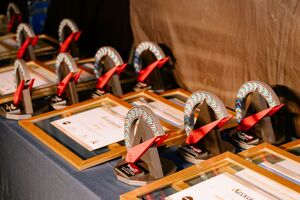
The winners of the 2026 Automotive Business Council | naamsa Accelerator Awards were announced at the recently held Auto Week 2026, which took place in eThekwini, KZN.
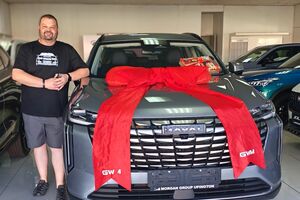
When Cobus Coetzee (photo) accepted the opportunity to join the Morgan Group in Upington, he had to weigh up more than a new position. The move meant exchanging the West Coast’s cooler climate and seaside lifestyle for the Northern Cape’s desert heat, while taking responsibility for a multi-franchise operation spread across several premises.
The winners of the 2026 Automotive Business Council | naamsa Accelerator Awards were announced at the recently held Auto Week 2026, which took place in eThekwini, KZN.
With the steep rise in fuel prices since March this year leading to historic record highs following massive increases in October, the government intervention annouched this week, is widely welcomed.
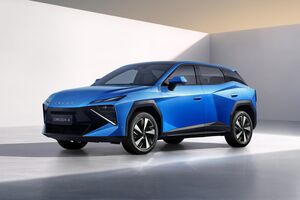
Omoda has confirmed that the new C4 will become the first model from the Chery Group to be built in South Africa, with production set to take place at the company's Rosslyn manufacturing facility in Gauteng.