
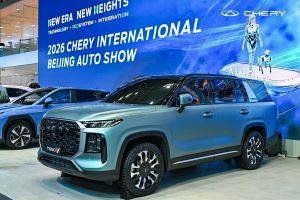
Chery Group showcase a variety of new vehicles
Brands in the Chery Group showcase their latest offerings at the 2026 Beijing Auto Show recently held in China.
- Industry News
- 29 April 2026
Morocco is gearing up to enhance its maritime infrastructure with two new deepwater ports, a move that could transform the country into a regional industrial powerhouse.
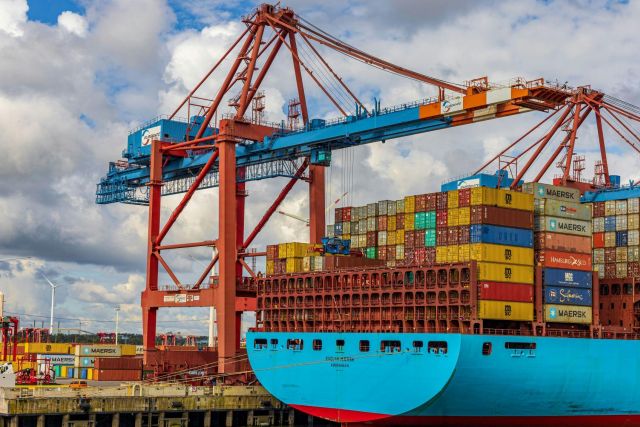
According to Equipment and Water Minister, Nizar Baraka, Nador West Med on the Mediterranean coast will open in late 2026, followed by a $1 billion Atlantic port in Dakhla, scheduled for 2028.
Nador West Med is expected to start with 800 hectares dedicated to industrial development, with plans to expand to 5 000 hectares, potentially surpassing Tanger Med, Africa’s largest port, in industrial capacity.
The Mediterranean port will also feature Morocco’s first liquefied natural gas (LNG) terminal, with a floating storage and regasification unit linked to pipelines supplying northwest industrial hubs. The initiative aligns with Morocco’s strategy to boost natural gas and renewable energy investments, reducing dependence on coal.
On the Atlantic coast, the Dakhla port project will include 1 600 hectares for industrial activity and 5 200 hectares of farmland irrigated by desalinated water. At 23 meters deep, it will be Morocco’s deepest port, designed to handle heavy industries and the processing of raw materials imported from Sahel nations. Dakhla is also intended to serve as a logistics gateway for landlocked countries in West Africa, enhancing regional trade connectivity.
Both Nador and Dakhla will feature dedicated quays for future green hydrogen exports, underscoring Morocco’s commitment to clean energy. With these additions, Morocco will operate four deepwater ports, including Tanger Med and Jorf Lasfar, which handle bulk cargo, phosphate and energy exports.
The country’s industrial zones, particularly around Tanger Med, already host 1 400 companies employing 130 000 workers across sectors like automotive, aeronautics, textiles, agri-food and renewable energy.
The new ports are expected to further boost Morocco’s automotive industry by improving supply chain efficiency, supporting the import of raw materials and facilitating vehicle exports. This enhanced logistics network could help Morocco strengthen its role as a hub for automotive manufacturing in Africa.
Nizar also confirmed that Morocco was exploring the development of an additional Atlantic port in Tan-Tan, in collaboration with green hydrogen investors. Studies are ongoing to determine the optimal size and design, which could further expand the country’s industrial and energy export capacity.
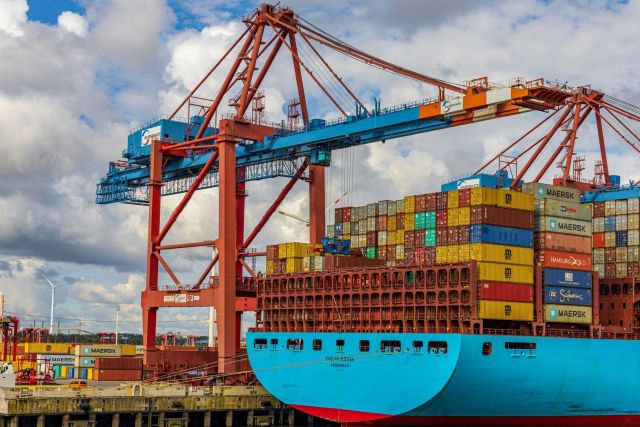
Brands in the Chery Group showcase their latest offerings at the 2026 Beijing Auto Show recently held in China.
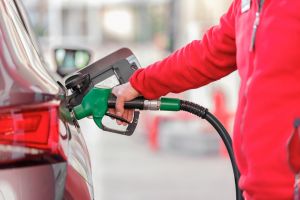
South African motorists are heading for another fuel price adjustment in early May, with increases likely to be driven mainly by global oil prices and a weaker rand, rather than additional tax changes.

Mahindra South Africa has announced a change to its key leadership position with Rajesh Gupta, current CEO of Mahindra South Africa, appointed as Regional Head for South Africa, Australia, New Zealand and South Asia for the parent company Mahindra and Mahindra.
 Advertisement
 Advertisement
I have bad reflexes. I was once run over by a car being pushed by two guys
Woody Allen
Brands in the Chery Group showcase their latest offerings at the 2026 Beijing Auto Show recently held in China.
South African motorists are heading for another fuel price adjustment in early May, with increases likely to be driven mainly by global oil prices and a weaker rand, rather than additional tax changes.
Mahindra South Africa has announced a change to its key leadership position with Rajesh Gupta, current CEO of Mahindra South Africa, appointed as Regional Head for South Africa, Australia, New Zealand and South Asia for the parent company Mahindra and Mahindra.