
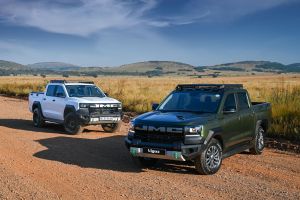
New JMC Vigus will make an impression
Following the official brand re-launch by the Salvador Caetano Group, JMC South Africa announce the arrival of the All-New JMC Vigus.
- Product News
- 17 April 2026
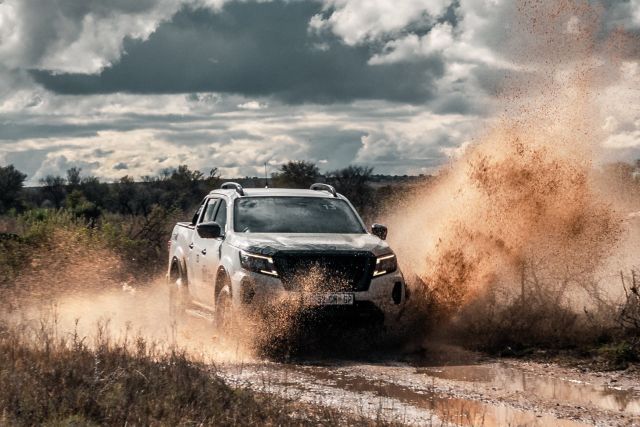
MISA, the Motor Industry Staff Association (MISA), welcomes Chery’s investment in South Africa with the acquisition of Nissan’s historic production plant in Rosslyn, Pretoria, which will offer employment to the majority of Nissan’s affected employees.
The Union has repeatedly urged new Chinese vehicle brands entering the country in 2025 to invest in establishing bigger dealership networks that will create jobs for employees negatively impacted by the closure of non-performing dealerships of traditional brands.
“MISA believes that the manufacturing and assembling of Chinese vehicles locally is vital for the survival of the automotive industry, including the local manufacturing of parts and components. With Chery taking the lead in this regard, it will not only sustain jobs but create more employment opportunities,” says Martlé Keyter, MISA’s Chief Executive Officer: Operations.
MISA also congratulates Nissan on putting the fate of its employees first when faced with the decision to either close the plant after 60 years of production or to find a solution that preserved jobs and retained industrial capacity in South Africa.
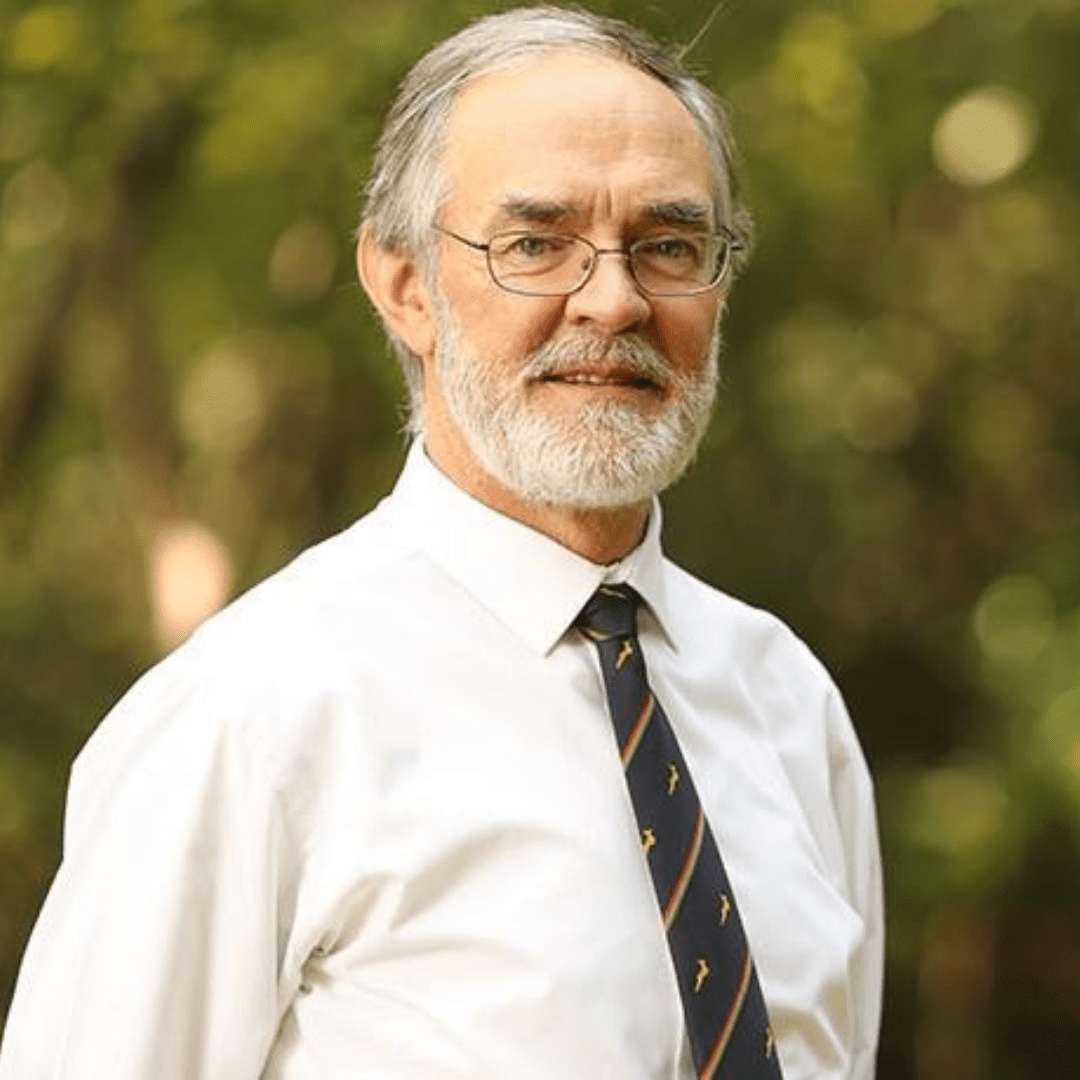
Dr Roelof Botha, economic advisor to the Optimum Financial Services Group, says it is not just South Africa’s retail and automotive industries that is negatively impacted by the influx of Chinese vehicles.
“It is part of China’s strategy to dominate the global market with Chinese vehicle brands. It stimulates the markets and creates massive competitiveness. The deal between Nissan and Chery is an excellent example of how responsible employers operate within the turmoil,” Roelf says.
According to Roelf just short of 100 million vehicles, including trucks and busses, were sold globally in 2025, of which South Africa sold 0,6% of this. “This is incredibly significant and positive+,” says Botha.
Following the official brand re-launch by the Salvador Caetano Group, JMC South Africa announce the arrival of the All-New JMC Vigus.
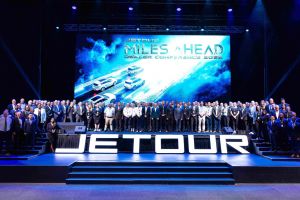
Jetour South Africa hosted its inaugural Dealer of the Year Awards on Tuesday night, bringing together its national dealer network of nearly 60 dealerships.

South Africa’s motorists and automotive sector are facing a fresh layer of uncertainty as the Middle East conflict continues to disrupt global oil markets, but for now the country’s fuel supply remains stable even as costs rise.
 Advertisement
 Advertisement
You can't buy happiness but you can buy cars and that's kind of the same thing.
Unknown
South Africa’s motorists and automotive sector are facing a fresh layer of uncertainty as the Middle East conflict continues to disrupt global oil markets, but for now the country’s fuel supply remains stable even as costs rise.

Stellantis has struck a five year strategic partnership with Microsoft as it accelerates its shift towards software defined vehicles and digital services.
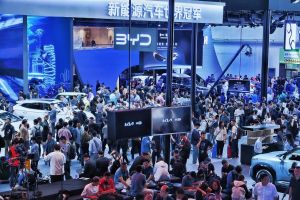
Auto China 2026 marks another milestone in the evolution of an event that has tracked China’s rise from emerging market to global automotive powerhouse.