Hill says the COVID-19 third wave is starting to make its presence felt in South East Asia and particularly in Malaysia, one of the semiconductor and computer chip source countries for the global automotive industry.
“This is becoming a concern for the automotive industry. We are looking at a fourth quarter that potentially is going to see supply disruptions in terms of access to vehicles.
“We are experiencing a situation where our dealers are desperate for stock. Across the industry, a lot of the different brands are suffering with availability challenges.
“This is something that is going to continue into 2022,” he warned during a briefing at which Ford SA announced it will be creating 1 200 new jobs in South Africa this month as it adds a third shift at its assembly plant in Silverton for the production of the Ford Ranger pickup.
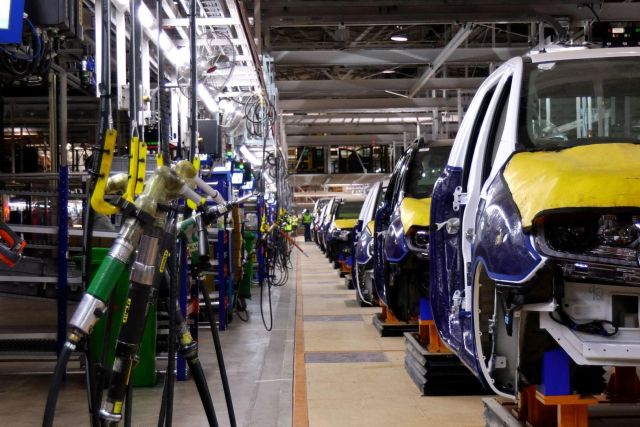
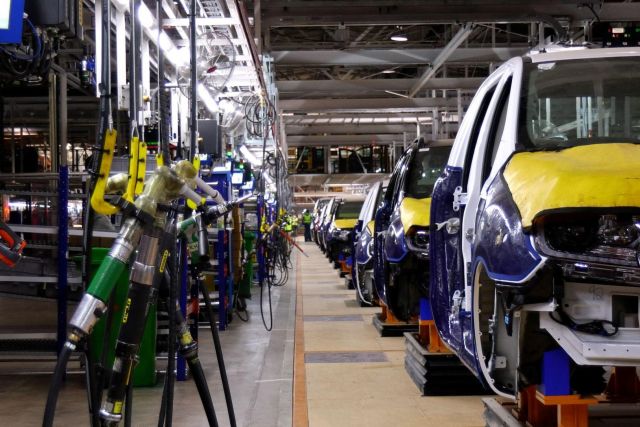
The Ford Motor Company last year announced an investment of R1.8 billion to modernise and expand the Silverton plant in preparation for the production of the next generation Ford Ranger.
Hill says the automotive industry is becoming concerned about what is happening in the logistics chain and with the stability of the supply of computer chips that are used in vehicles.
He says Ford SA could at any point be managing constraints on more than 25 computer chips that go into different systems in Ford vehicles.
“All the manufacturers are affected by it, some to a lesser extent, some to a greater extent,” he says.
Hill says inventory levels across the entire industry are significantly lower than what they were previously, and Ford SA has seen this in its inventory numbers in terms of the amount of available stock that is standing in dealerships.
“It’s going to be interesting to see how this also shifts consumer behaviour. Previously, as a country and as a car-buying public, we have become very used to being able to walk into a dealership and to be able to pick a vehicle off the lot and drive it out as opposed to now where we are starting to see waiting lists coming in, with people having to wait for vehicles.
“We suspect that this is something that is going to continue for a while to come. We continue to manage it very carefully and try to distribute our stock as best we can,” he says.
Hill says current new vehicle sales projections in the industry for this year are for sales of about 480 000 units, which translates into growth of 25% year-on-year on total industry sales of about 384 000 achieved in 2020.
However, Hill admitted hesitancy about committing to “the final number” of new vehicle sales in 2021 because of the continued challenges with the availability of semiconductors.
Hill says the South African pickup market has grown slightly this year and accounted for 21% of total industry sales in the eight months to end-August, with Ford SA maintaining its market share of the pickup market at 24%.