Mercedes-Benz to instal more solar panels at plant
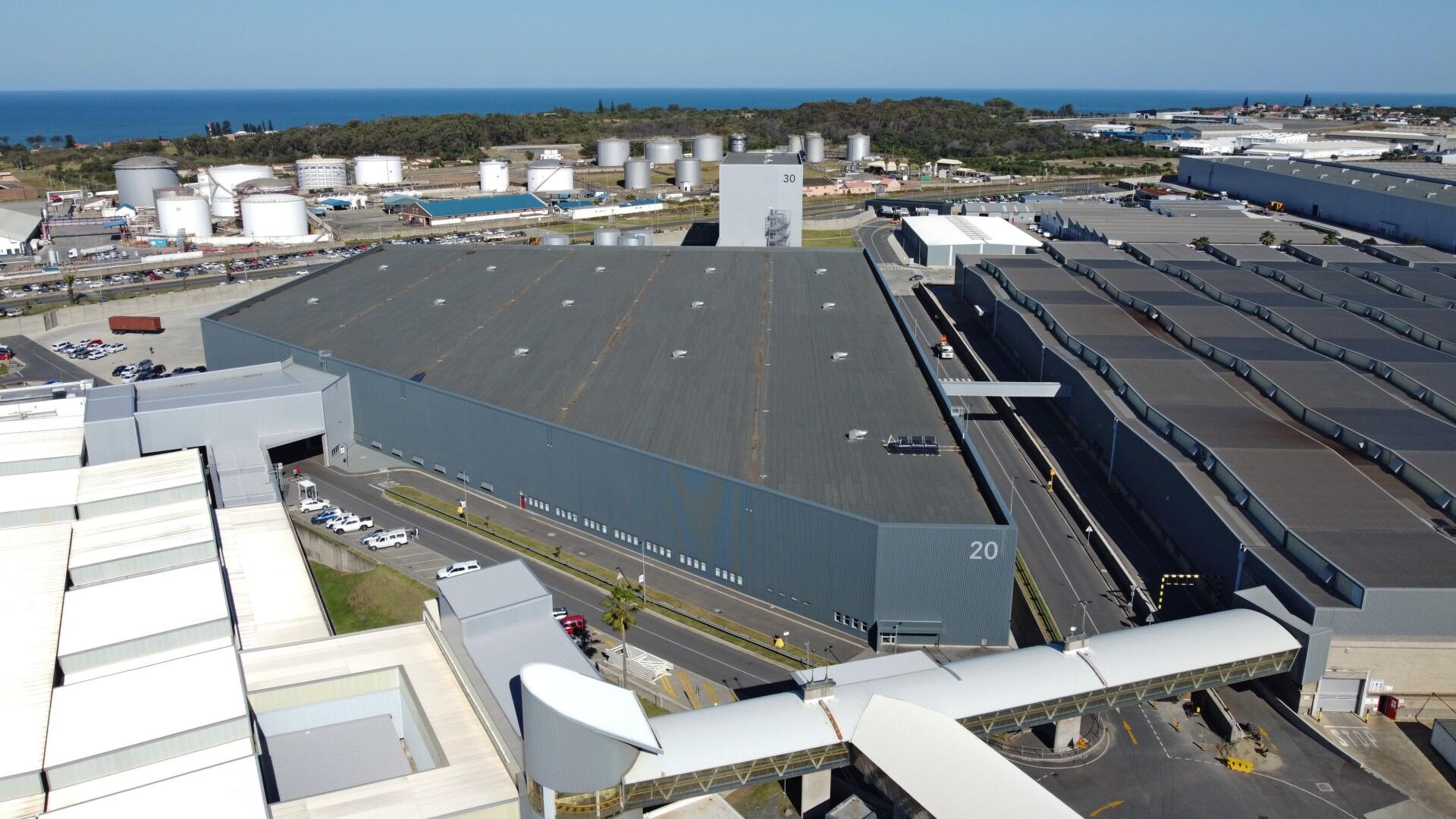
In advancing its commitment to environmental sustainability, through an investment of R100 million, Mercedes-Benz South Africa (MBSA) will instal 22 847 photovoltaic (PV) technology (solar panels) at its East London manufacturing plant.
Share with friends
This conversion of sunlight into electrical energy will contribute to carbon reduction in the manufacturing process at the plant.
The additional photovoltaic solar energy forms part of the second phase of MBSA’s pursuit to reach net carbon-neutral manufacturing. By 2030, Mercedes-Benz plans to cover more than 70 percent of the energy demand in production with renewable energies. A core element of Mercedes-Benz’s sustainable business strategy is Ambition 2039, which already set the course in our East London manufacturing plant in 2022.
“The installation of the Photovoltaic solar panels at our manufacturing plant is a key pillar of our energy strategy and will contribute towards the East London plant’s daily maximum demand requirement of 12MW in times of peak demand.
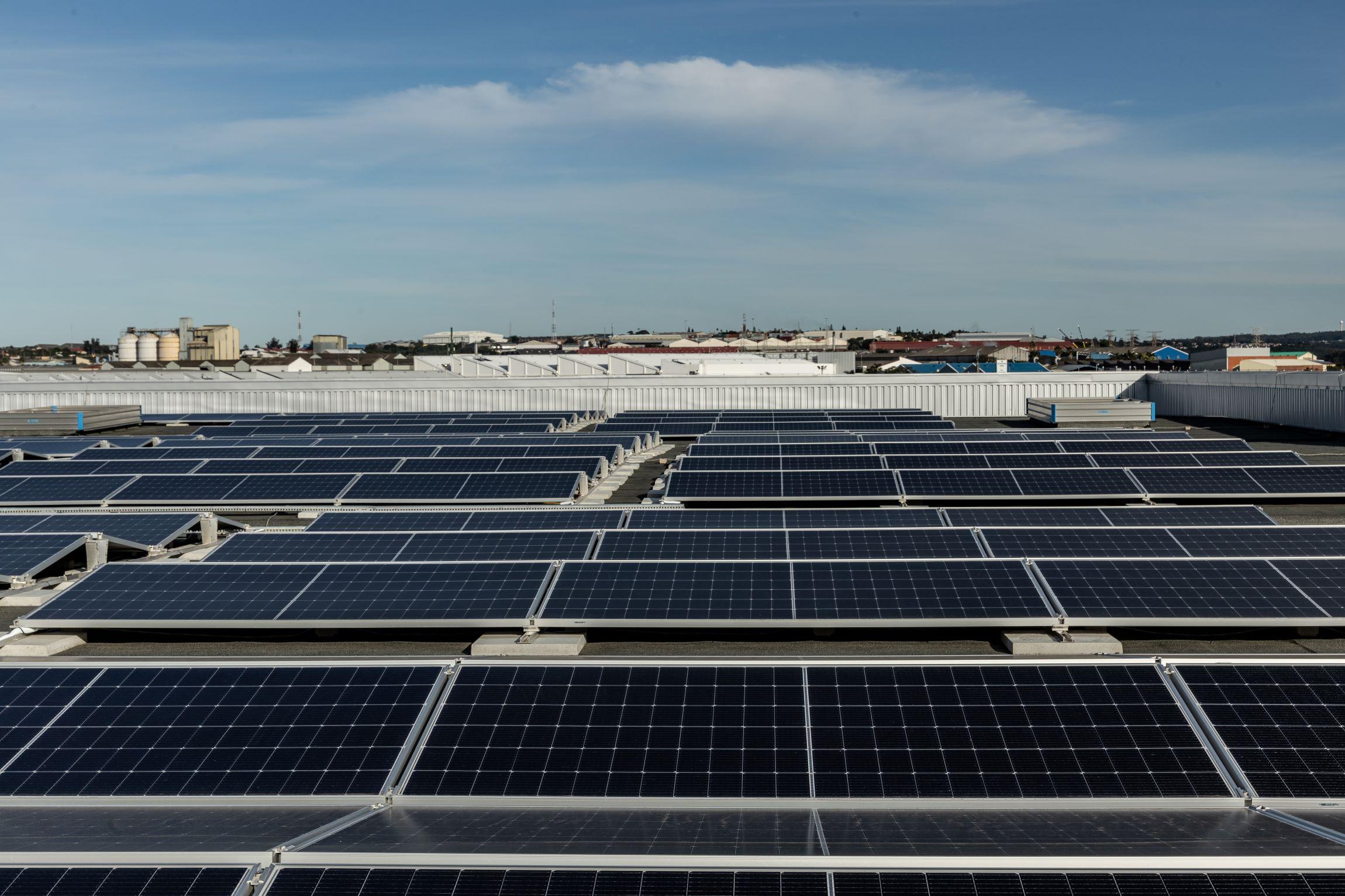
The Mercedes-Benz plant in East London will go greener with another phase of solar panels that will be installed.
The additional investment of R100 million into the second phase of the Photovoltaic solar energy project accelerates our carbon-neutral manufacturing ambitions and corporate citizenship mandate. As a company, we are working strategically towards delivering on our sustainability commitments, and feed-in agreements are required to utilise the new capacity from 2024 onwards.
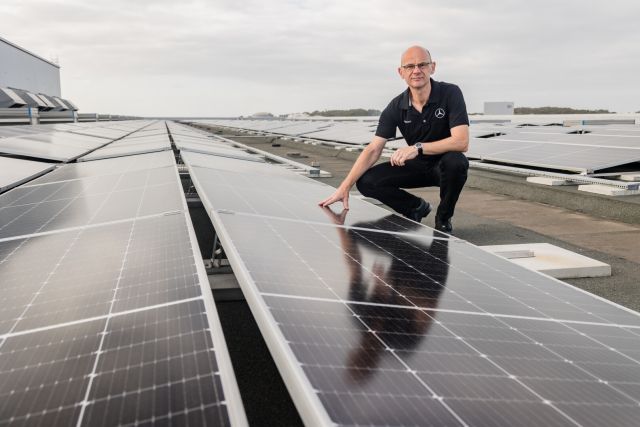
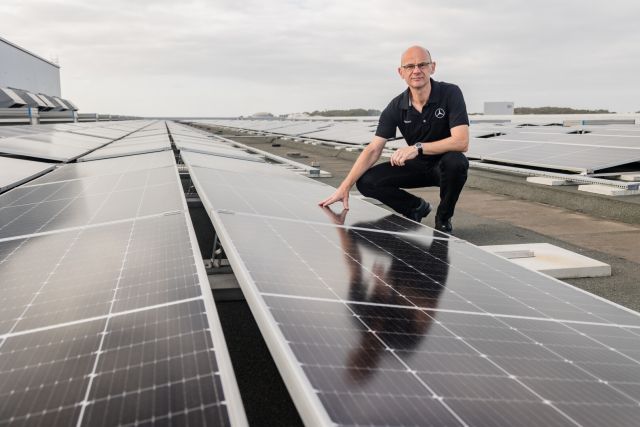
It remains our collective responsibility to safeguard the environment for future generations. To this effect, we call on all stakeholders to respond swiftly and to deliberately act towards helping to curb the exacerbating electricity situation in South Africa,” says Andreas Brand, CEO of Mercedes-Benz South Africa and Executive Director for Manufacturing.
The investment into PVs affirms MBSA’s commitment to environmental sustainability and heeds government’s call to reduce the industrial consumption of electricity on a strained electrical grid. Furthermore, the installation of PVs offers a cost-effective energy solution and renewable energy source.
More solar panels will help to reduced Mercedes-Benz’s carbon footprint in South Africa.
The first phase of the 3 692 PV solar panel installation was completed in 2022 and provided 2MWp (megawatt peak). The latest PV installation will cover an additional five rooftops of the East London plant with 22 847 solar panels, expanding the manufacturing plant’s footprint by a further 12.6MWp (megawatt peak).
Combined, the total Photovoltaic size will approximate 26 539 solar panels, equating to 14.6MWpeak – a peak in line with the East London plant’s maximum demand during any production day. The annual generation of the completed system will contribute to an estimated 20 percent of the East London plant’s annual MWh (megawatt hour) consumption.
The project is set to commence in quarter one of 2024, in partnership with a local supplier.
With the launch of what is believed to be the first South African app in ChatGPT, Naked is signalling how AI assistants could reshape financial services.
Ford South Africa will expand its Everest line-up in late 2026 with the arrival of the Everest Tremor. This new variant is positioned as a more off-road capable model, building on the success of the Ranger Tremor while retaining the refinement expected from the Everest range.
With the launch of what is believed to be the first South African app in ChatGPT, Naked is signalling how AI assistants could reshape financial services.
Mazda Southern Africa has promoted Kyron Pather to Head of Operations (Sales & Service). The appointment strengthens the company's operational leadership as it looks to improve performance across its dealer network and aftersales business.
Nampo Harvest Day near Bothaville in the Free State has always been the place where South Africa’s farming community gathers to see the latest machinery and, importantly, new bakkies.