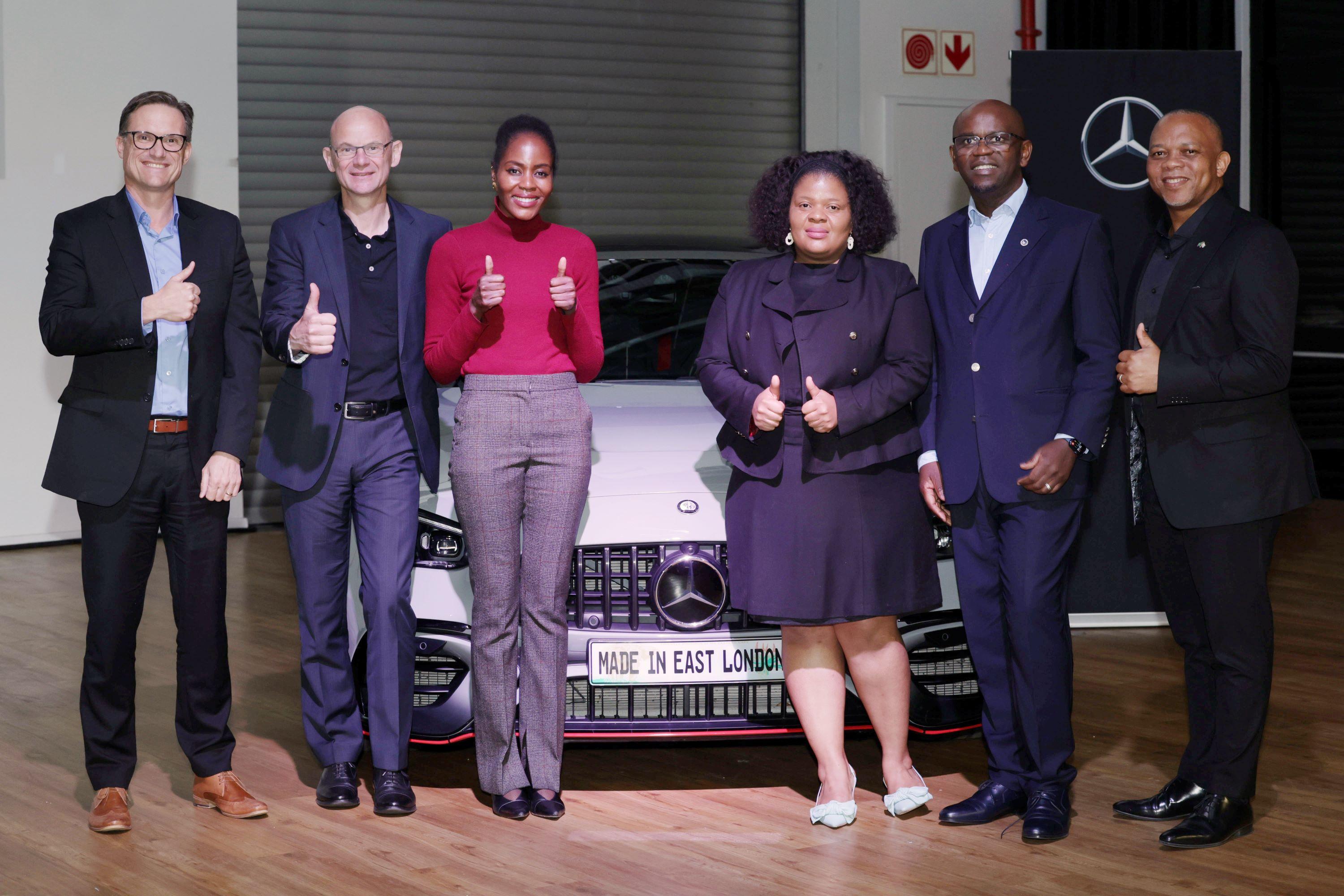
Mercedes-Benz South Africa (MBSA) hosted its first Stakeholder Dialogue event at its East London Manufacturing Plant, bringing together multi-sectoral stakeholders with a keen interest in finding solutions to cross-cutting issues that affect the automotive industry and the supply chain.
Share with friends
The event was aimed at discussing current issues and challenges and to explore solutions for the sustainability of the South African automotive manufacturing industry.
“Mercedes-Benz South Africa has a rich manufacturing heritage in South Africa. For the past 65 years, we have had a substantial impact on the South African automotive industry and supply chains.
“Through today’s Stakeholder Dialogue, we intend to bring together key stakeholders to exchange new insights, strengthen existing relationships, build new connections and collaboratively problem-solve to lead innovative solutions to ensure the automotive industry and the supply chain are better equipped to face future challenges,” says Andreas Brand (CEO of Mercedes-Benz South Africa and Executive Director for Manufacturing).
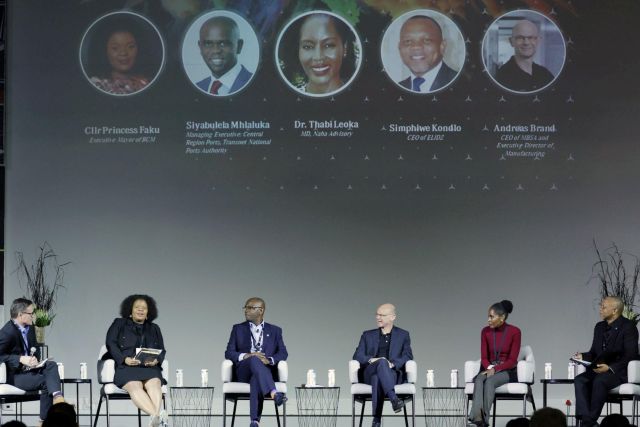
Here are Professor Justin Barnes, Andreas Brand, Dr Thabi Leoka, Princess Faku, Siyabulela Mhlaluka and Simphiwe Kondlo.
The Mercedes-Benz Stakeholder Dialogue welcomed distinguished speakers and panellists. Dr Thabi Leoka’s keynote address focused on a macroeconomic overview of South Africa and provided a comprehensive understanding of the latest market trends relevant to the automotive industry.
The first panel entitled “Opportunities and challenges of doing business in the automotive industry”, was moderated by Manufacturing Ambassador for TWIMS, Professor Justin Barnes and featured panellists such as the Executive Mayor of Buffalo City Municipality, Princess Faku; Chief Executive of Transnet Ports Agency, Pepi Silinga; Naha Advisory MD, Dr Thabi Leoka, CEO of East London Industrial Development Zone (ELIDZ), Simphiwe Kondlo, and CEO of Mercedes-Benz South Africa and Executive Director for Manufacturing, Andreas Brand.
The second panel, “The path to Sustainable Future for the Automotive Industry”, moderated by Editor-in-Chief of Prime Media Broadcasting, Sbu Ngalwa, included Eastern Cape MEC for Economic Development, Mlungisi Mvoko; Special Advisor to the Ministry of Small Business Development, Andrew Murray; CEO of the Automotive Industry Development Centre Eastern Cape (AIDCEC), Thabo Shenxane, and Executive Director of Border-Kei Chamber of Business (BKCOB), Lizelle Maurice and Abey Kgotle, Executive Director Human Resources & Corporate Affairs at Mercedes-Benz South Africa.
The Mercedes-Benz South Africa Stakeholder Dialogue provided a unique opportunity for delegates to gain a comprehensive understanding of the latest policy and market trends, emerging technologies and customer preferences, which affect public and private stakeholders. This knowledge can help all stakeholders to adapt their product offerings and business strategies to ensure that the South African automotive industry stays competitive.
The Stakeholder Dialogue also consisted of a tour of the state-of-the-art Mercedes-Benz manufacturing facility following the investment of R13 billion for the expansion of the East London plant and the production of the current C-Class.
In addition, key stakeholders had the opportunity to tour the company’s sustainability interventions, notably the solar photovoltaic energy installation that contributes to carbon reduction in the manufacturing process.
Zero Carbon Charge (CHARGE) welcomes the government’s extension of short term fuel levy relief measures aimed at cushioning consumers from rising fuel prices, but cautions that these interventions do not address the underlying structural challenge facing South Africa’s transport economy.
At Auto China 2026 this weekend, President of Jetour International, Ke Chuandeng, made the announcement that from 2027, Jetour will be producing some of their models locally in South Africa
At Auto China 2026 this weekend, President of Jetour International, Ke Chuandeng, made the announcement that from 2027, Jetour will be producing some of their models locally in South Africa
Changan has unveiled its ambitious “1+4+4+5” global strategy, signalling a determined push to become one of the world’s top ten automotive brands by 2030.