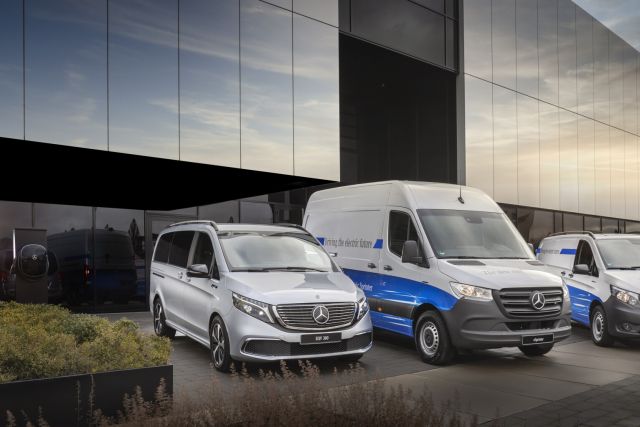
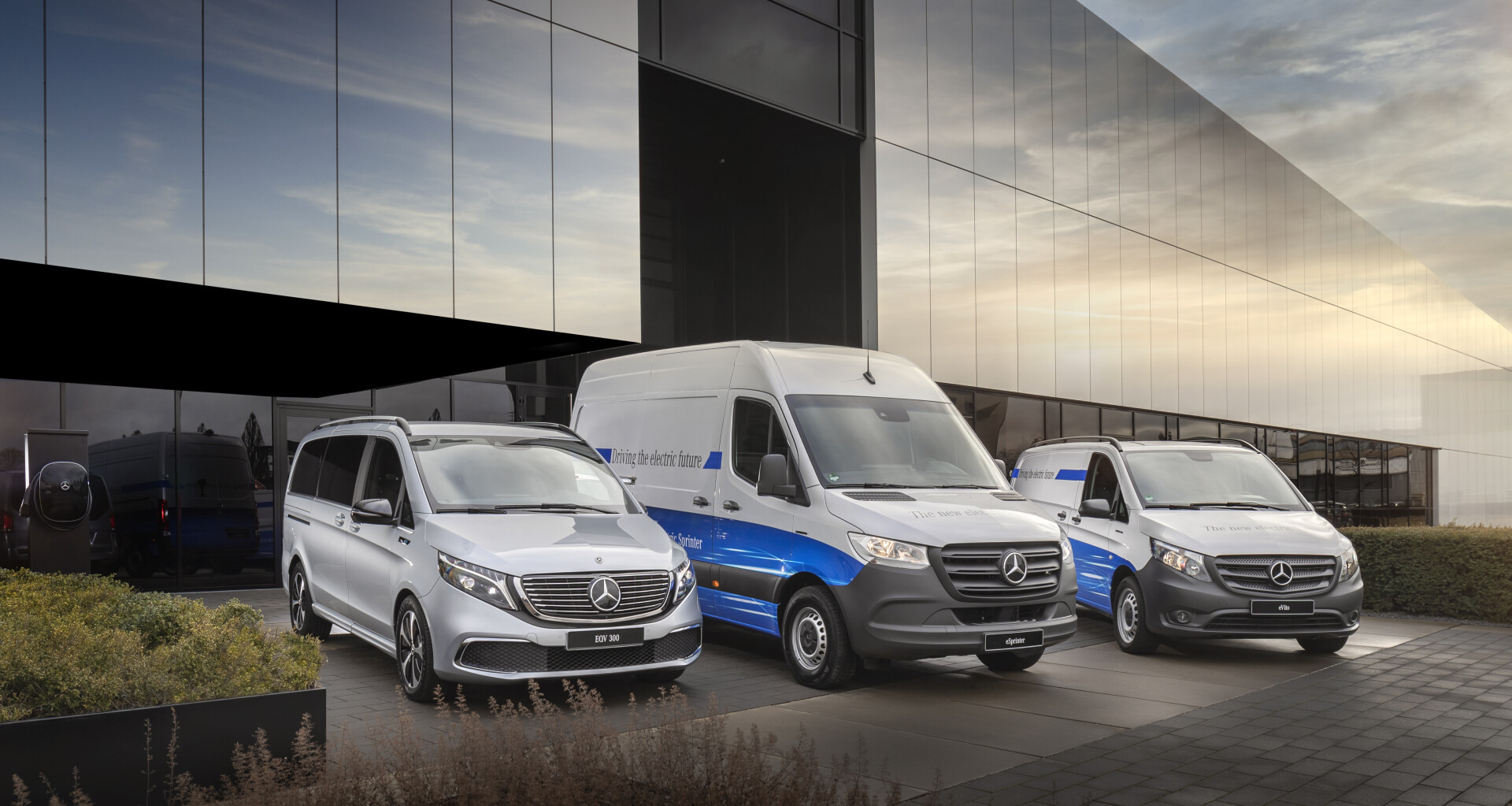
Mercedes-Benz Vans South Africa hopes to be a pioneer in the field of electric mobility solutions for both private and commercial use.
Share with friends
Marinus Venter, Head of Product and Marketing for Mercedes-Benz Vans SA, says: “In 2022, we engaged in several insightful conversations regarding the feasibility of electric vans in South Africa.
“We are excited to share that we are on track to introduce our first electric van in South Africa by our target date. We believe that our electric vans will take locally emission-free transport to the next level in South Africa.”
Internationally, Mercedes-Benz Vans continues to accelerate its electric transformation, with the first nine months of the year seeing a one-third increase in sales of electric vans compared to the previous year, internationally.
Mercedes-Benz says it is ready to introduce electric vans in South Africa.
The Mercedes-Benz Group’s results indicate third-quarter unit sales reached 104 000 vehicles worldwide, a significant increase in comparison to quarter three of 2021, which saw unit sales reach 88 000 vehicles.
This is in line with the Mercedes-Benz Vans objective to set the standard in sustainable and all-electric transport. In third quarter 2022, Mercedes-Benz Vans and Rivian moved to partner on electric van production by signing a memorandum of understanding to initiate a strategic partnership.
Among other things, the two companies aim to build an all-new electric-only production facility, leveraging an existing Mercedes-Benz site in Central or Eastern Europe. Large electric vans for both Mercedes-Benz Vans and Rivian are expected to roll off the assembly line in just a few years.
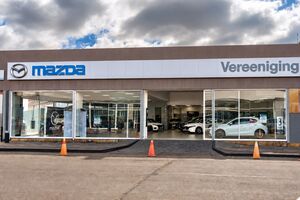
Few can claim a bond with Mazda as deep as the Plitt family's. For more than 60 years, Mazda has been part of the family's story through Mazda Vereeniging, the oldest Mazda dealership in South Africa and a longstanding standalone representative of the brand.
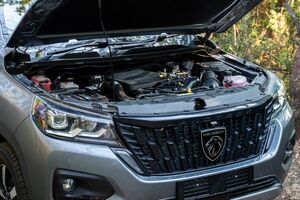
Peugeot has expanded its Landtrek line-up with the addition of a new turbodiesel-powered model aimed at buyers looking for increased performance, greater towing capability and updated technology. The latest derivatives join the range from October 2026 and introduce a significant powertrain upgrade for the bakkie.
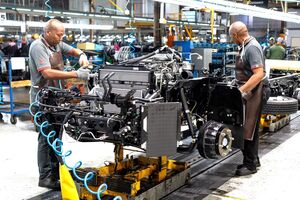
Isuzu Motors South Africa has invested close to R30 million in its commercial vehicle assembly plant in Gqeberha, introducing a series of upgrades aimed at improving manufacturing capability, production efficiency and employee safety.