

TVS powers South Africa’s growing delivery economy
South Africa’s rapidly expanding delivery sector is driving strong demand for affordable, dependable motorcycles that can withstand the demands of daily commercial use.
- Product News
- 20 November 2026
Three manufacturers have stepped up their effort for alternative energy for their vehicles, especially in the commercial sector.

Toyota Motor Corporation, Isuzu Motors Limited and Hino Motors Limited have joined hands with Commercial Japan Partnership Technologies Corporation (CJPT) to develop light-duty fuel-cell (FC) electric trucks for the mass market.
The joint initiative is expected to contribute to the realisation of a hydrogen society, as well as carbon neutrality by expanding the options available for customer use and increasing the demand for hydrogen. The companies will also promote the introduction of FC electric trucks to the market along with their widespread use.
On the road to carbon neutrality, there are various powertrain options that meet customers' demands – including Hybrid Electric Vehicles, Battery Electric Vehicles, and Fuel Cell Electric Vehicles, depending on the energy conditions in different countries and regions and how customers use their vehicles.
Light-duty trucks are often used by supermarkets and convenience stores for distribution purposes, in addition to supporting people's daily lives. They are also equipped with refrigeration and freezing functions as they are required to drive long distances over extended hours to perform multiple delivery operations in one day. Furthermore, they must also meet requirements such as fast refuelling capability.
The use of FC technology, which runs on high energy density hydrogen and has zero CO2 emissions while driving, is considered effective under such operating conditions.
The four companies will mobilise their combined knowledge – the truck technology that Isuzu and Hino have accumulated over the years as well as Toyota's FC technology – in pursuit of products that meet the performance and conditions required for light-duty trucks. It will be introduced to the market in 2023 and used by the partners at actual distribution sites in Fukushima Prefecture and Tokyo social implementation projects.

South Africa’s rapidly expanding delivery sector is driving strong demand for affordable, dependable motorcycles that can withstand the demands of daily commercial use.
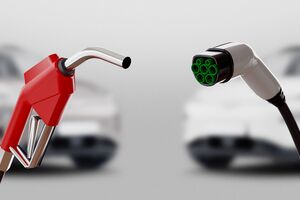
One of the main results of the 2026 Global EV Driver Survey, released by the Global EV Alliance (GEVA) this week, show that South African battery electric vehicle (EV) drivers are among the most satisfied in the world.
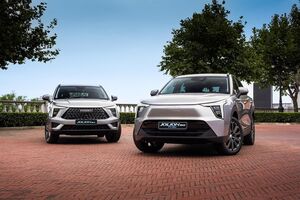
GWM South Africa has broadened its popular Jolion range with the introduction of the all-new Haval Jolion Max. Designed with modern families in mind, the newcomer combines increased interior space, new technology and a wider choice of powertrains, including petrol, hybrid and plug-in hybrid options.
 Advertisement
 Advertisement
Have you ever noticed that anybody driving slower than you is an idiot, and anyone going faster than you is a maniac?
George Carlin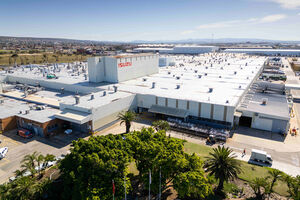
Isuzu Motors South Africa (IMSAf) has achieved a 38% reduction in Scope 1 and Scope 2 CO₂ emissions compared with its 2013 baseline while increasing vehicle production by 21% during the 2025/26 financial year at its Gqeberha manufacturing facility.

Diversifying oil supplies, investing in pipelines and rail infrastructure, improving port operations and expanding inland storage facilities are among the measures needed to reduce South Africa's vulnerability to international fuel supply disruptions.
Combined Motor Holdings (CMH) has appointed Charles Webber as the new Group CEO.