Lower interest rates crucial for industry growth - naamsa
May 2025 was a consequential month for South Africa’s automotive sector, marked by a long-anticipated shift in the monetary policy cycle.
Share with friends
. The South African Reserve Bank’s [SARB’s] decision to cut the repo rate by 25 basis points signalled a welcome policy pivot in support of industrial growth, affordability and macro-economic stability.
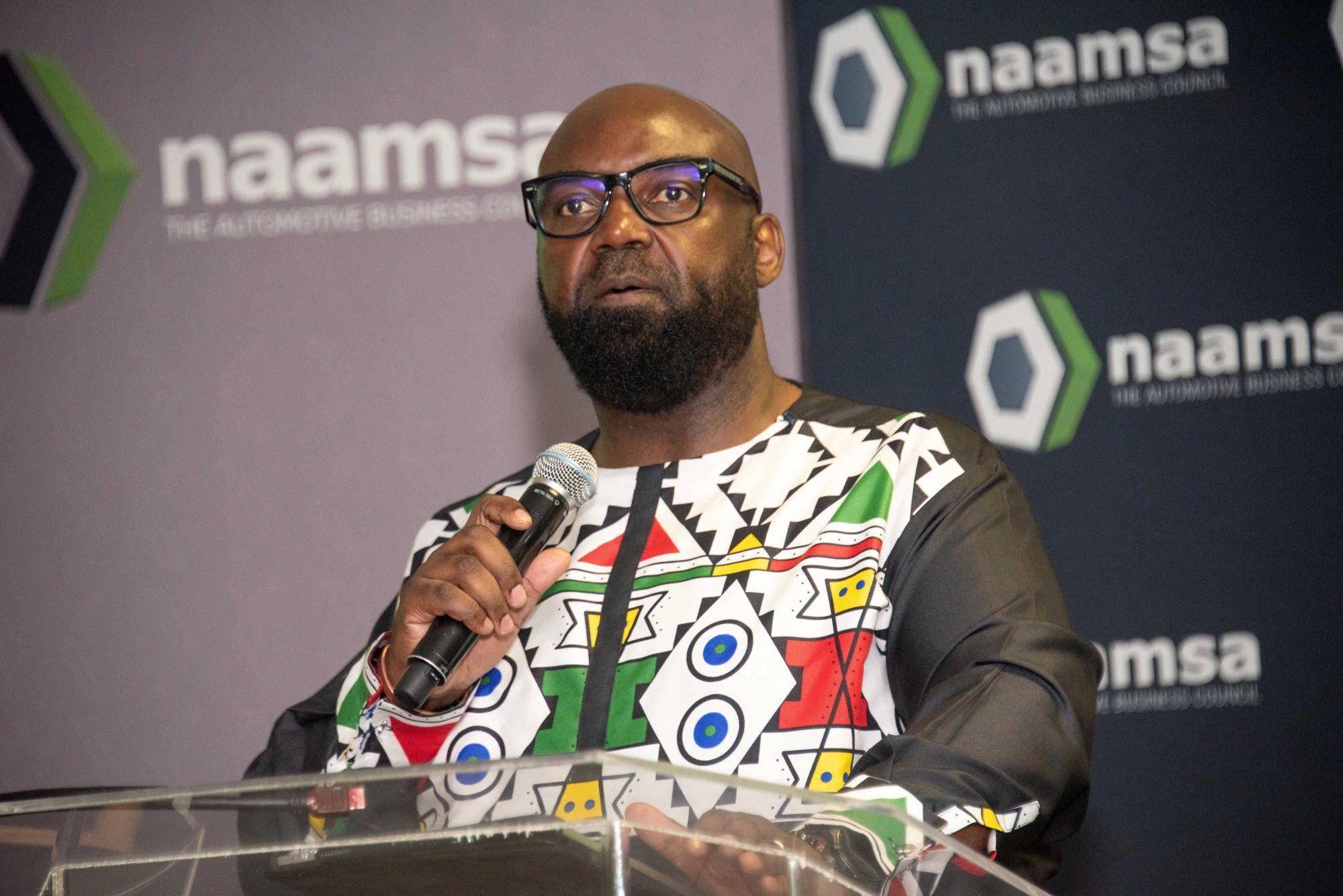
"The automotive sector finds itself once again at the coalface of global economic shifts," says the Automotive Business Council of South Africa’s (naamsa) CEO Mikel Mabasa. "The SARB's latest decision to lower interest rates is both timely and commendable. It directly supports consumer affordability and boosts production competitiveness at a time when global uncertainty is weighing heavily on our export markets. While the new tariff measures remain a concern, our industry has proven its resilience time and time again."
With inflation easing to 2.8%, still well below the SARB’s 3%-6% target range, and the rand regaining strength amid improving investor sentiment, the macro-economic environment became more conducive to supporting consumer spending and business investment.
Mikel Mabasa, CEO of naamsa.
The SARB’s downward revision of oil price forecasts further contributed to a benign inflation backdrop. In this context, the rate cut offers tangible relief to households, enhancing vehicle affordability through lower financing costs.
For South Africa’s automotive manufacturing base, the implications of the cut extend beyond retail credit conditions. Lower interest rates will reduce borrowing costs for manufacturing, supporting planned capital expenditure, tooling upgrades and retooling for new models.
In line with the recently tabled “National Budget 3.0”, which reasserted government’s commitment to fiscal consolidation, the SARB’s policy action demonstrated that price stability and growth need not be mutually exclusive. The combination of responsible fiscal management and cautious monetary easing creates room for counter-cyclical support to the real economy, particularly in high-multiplier industries such as automotive manufacturing, according to naamsa.
Naamsa noted with cautious optimism the ongoing dialogue between National Treasury and the SARB regarding a potential shift in the official inflation target from the current 4.5% midpoint to a more ambitious 3.0%. A structural decline in inflation expectations could, over time, underpin structurally lower interest rates. This would be transformative for automotive consumers, who remain highly sensitive to monthly instalment costs. At the same time, manufacturers would benefit from reduced inflation-driven input costs.
The SARB’s rate cut comes at a time of continued global uncertainty. Geopolitical tensions and lingering tariff risk underscore the need for local policy agility. Access to affordable capital will remain a critical enabler as the industry adapts to shifting global supply chains and trade regimes. The May policy decision, therefore, represents a vital step toward strengthening the sector’s resilience and positioning South Africa as a competitive manufacturing destination.
The Automobile Association of South Africa and Global NCAP have raised serious concerns following the crash test results of the previous generation Toyota Starlet, which received a zero-star rating for adult occupant protection in the latest #SaferCarsForAfrica campaign.
With the launch of what is believed to be the first South African app in ChatGPT, Naked is signalling how AI assistants could reshape financial services.
The Automobile Association of South Africa and Global NCAP have raised serious concerns following the crash test results of the previous generation Toyota Starlet, which received a zero-star rating for adult occupant protection in the latest #SaferCarsForAfrica campaign.
With the launch of what is believed to be the first South African app in ChatGPT, Naked is signalling how AI assistants could reshape financial services.
Mazda Southern Africa has promoted Kyron Pather to Head of Operations (Sales & Service). The appointment strengthens the company's operational leadership as it looks to improve performance across its dealer network and aftersales business.