
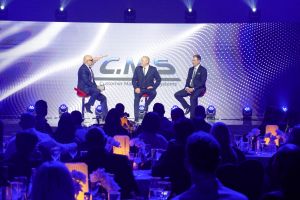
CMS Systems marks 25 years in automotive retail technology
CMS Systems is celebrating 25 years in business, marking a significant milestone for a company that has become a central player in automotive retail technology.
- Industry News
- 24 April 2026
Mercedes-Benz has successfully fended off a high-profile patent infringement claim, after a US court dismissed allegations brought by The Phelan Group with prejudice, ending a dispute that had lingered for months.

In terms of the lawsuit, Mercedes-Benz was accused of misappropriating Phelan’s intellectual property in connection with its Advanced Driver Assistance Systems (ADAS) and Mercedes Connect services. Phelan argued that 26 features, including steering and brake assist, driver verification and vehicle usage monitoring, violated seven patents dating back to 2015. These patents were intended to govern driver authentication and enforce operational limits such as speed caps and geofencing.
Phelan’s amended complaint alleged that Mercedes knowingly promoted these technologies and encouraged customers to use them in ways that infringed its rights. However, Mercedes mounted a robust defence, filing a motion to dismiss the case on the grounds that the claims lacked factual substance. The automaker criticised the complaint for presenting “a single sentence incorporating a laundry list of disjointed verbiage” from patent claims, without establishing plausible grounds for direct, indirect, or wilful infringement, nor for pre-suit damages.
The court agreed, ruling that the case should be dismissed with prejudice—a decision that bars Phelan from bringing the same claims again. Legal analysts say the outcome reflects a growing judicial trend: courts are demanding detailed, evidence-backed pleadings in complex technology disputes rather than broad assertions.
This defeat is the latest chapter in Phelan’s wider campaign to enforce its patent portfolio. Earlier this year, the company reached confidential settlements with Honda, following claims that its Honda Sensing and HondaLink platforms infringed the same patents. A similar case against State Farm, involving its “Drive Safe & Save” telematics programme, was also settled after the insurer’s counterclaim was dismissed.
Industry observers believe these cases underscore the competitive tension surrounding ADAS and connected vehicle technologies—critical components in the race towards autonomous driving. While intellectual property battles are unlikely to disappear, this ruling signals that courts will scrutinise such claims more rigorously.
For Mercedes-Benz, the decision removes a significant legal obstacle, allowing the marque to continue developing advanced driver-assistance features without the immediate shadow of litigation.

CMS Systems is celebrating 25 years in business, marking a significant milestone for a company that has become a central player in automotive retail technology.
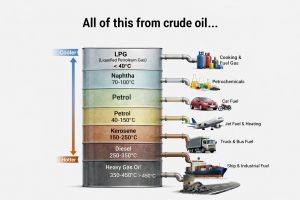
Oil prices jumped on Wednesday after Iran's seizure of container ships in the strait.

Hyundai Motor is preparing an aggressive comeback in China, unveiling plans to launch 20 new vehicles over the next five years as it tries to rebuild its position in the world’s largest car market.
 Advertisement
 Advertisement
I have bad reflexes. I was once run over by a car being pushed by two guys
Woody Allen
CMS Systems is celebrating 25 years in business, marking a significant milestone for a company that has become a central player in automotive retail technology.
Oil prices jumped on Wednesday after Iran's seizure of container ships in the strait.
Hyundai Motor is preparing an aggressive comeback in China, unveiling plans to launch 20 new vehicles over the next five years as it tries to rebuild its position in the world’s largest car market.