
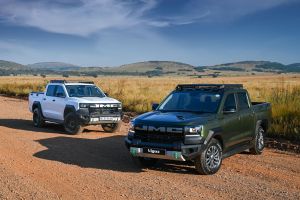
New JMC Vigus will make an impression
Following the official brand re-launch by the Salvador Caetano Group, JMC South Africa announce the arrival of the All-New JMC Vigus.
- Product News
- 17 April 2026
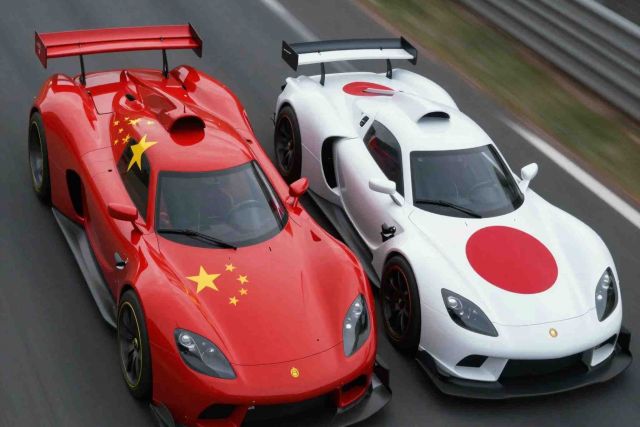
Japanese carmakers are scaling back operations in Southeast Asia and Africa as competition from rapidly expanding Chinese manufacturers reshapes the global automotive landscape.
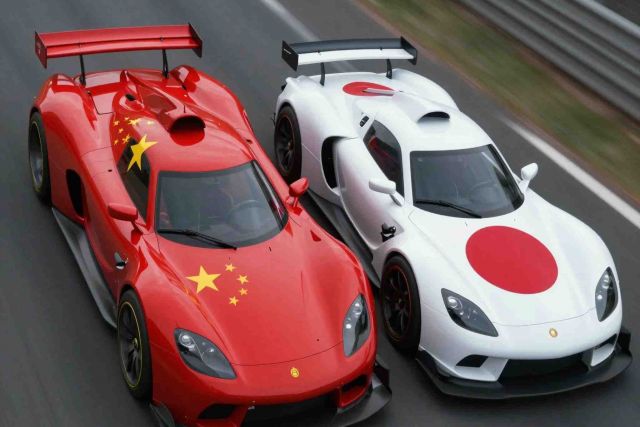
Once dominant in emerging markets, Japanese brands are now retreating, selling factories and consolidating production in response to falling sales and rising pressure.
Suzuki and Nissan are the latest to step back. Suzuki has agreed to sell its Rayong plant in Thailand to Ford after years of declining demand. The factory produced just 4 126 vehicles in 2024, a dramatic fall from more than 20 000 units only a few years earlier. Nissan, meanwhile, plans to sell its South African plant to Chery as part of a sweeping restructuring that includes closing seven facilities worldwide.
The shift reflects an undeniable truth: Chinese automakers have surged into markets once considered Japanese strongholds. Brands such as BYD, Great Wall Motor, SAIC and Chery, largely absent from Thailand in 2020, now offer competitively priced, increasingly sophisticated vehicles. BYD alone sold nearly 27 000 units in Thailand in 2024, outpacing several long‑established Japanese rivals.
Thailand has become a focal point of this transformation. Honda has merged local operations to cut excess capacity, Nissan has shuttered one of its factories, and Mitsubishi has paused production at one of its plants. Suzuki’s withdrawal leaves Ford in a strengthened position. Already operating two facilities in the country, Ford gains a third through the acquisition, strategically located next to its existing manufacturing hub.
Ford has not yet disclosed how it will use the newly acquired site but emphasised its importance to long‑term regional strategy.
A similar story is unfolding in South Africa. Chery, in the market only since 2022, recorded more than 23 000 sales in 2024. Nissan’s volumes, by contrast, have slid sharply, from 55 000 in 2018 to just over 22 000 last year.
Its Tshwane manufacturing plant in Rosslyn, capable of building 45 000 vehicles annually, produced barely 13 000 in 2024. If the sale proceeds, Chery will retain the existing workforce as production of the Navara winds down.
For Chinese manufacturers, buying overseas factories is part of a broader push to build closer to their customers. As they advance, Japanese carmakers face the challenge of redefining their relevance in markets they once confidently led.
Following the official brand re-launch by the Salvador Caetano Group, JMC South Africa announce the arrival of the All-New JMC Vigus.

Jetour South Africa hosted its inaugural Dealer of the Year Awards on Tuesday night, bringing together its national dealer network of nearly 60 dealerships.

South Africa’s motorists and automotive sector are facing a fresh layer of uncertainty as the Middle East conflict continues to disrupt global oil markets, but for now the country’s fuel supply remains stable even as costs rise.
 Advertisement
Advertisement
Advertisement
I have bad reflexes. I was once run over by a car being pushed by two guys
Woody Allen
South Africa’s motorists and automotive sector are facing a fresh layer of uncertainty as the Middle East conflict continues to disrupt global oil markets, but for now the country’s fuel supply remains stable even as costs rise.

Stellantis has struck a five year strategic partnership with Microsoft as it accelerates its shift towards software defined vehicles and digital services.
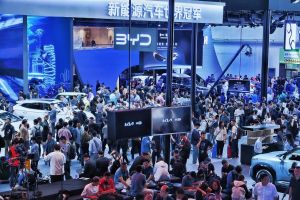
Auto China 2026 marks another milestone in the evolution of an event that has tracked China’s rise from emerging market to global automotive powerhouse.