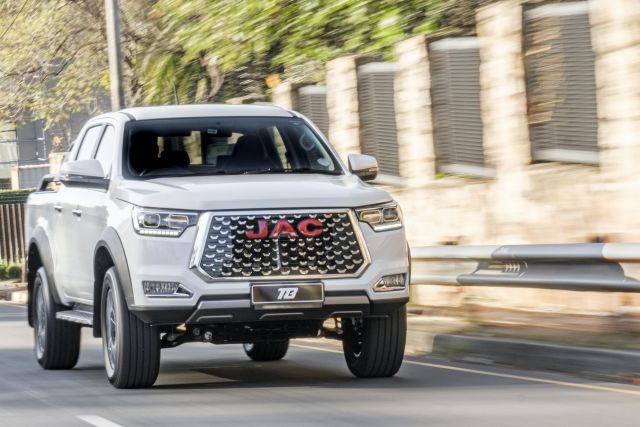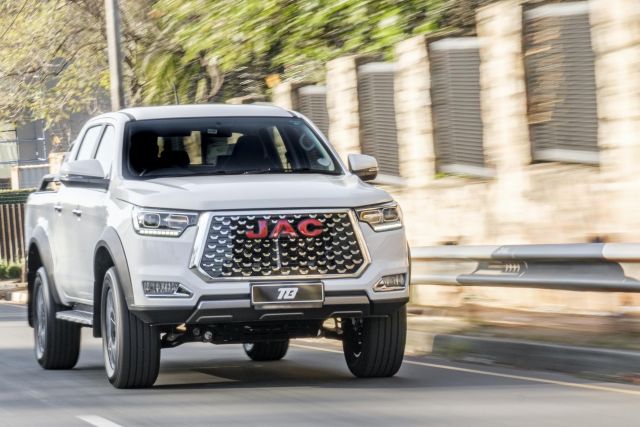
The T9 2.0L CTi's service intervals will now extend from 10 000 km/12 months to 20 000 km/12 months, with the initial service still due at 10 000 km or 12 months, whichever comes first.
Similarly, for the T8 2.0L CTi, the intervals will extend from 10 000 km/12 months to 15 000 km/12 months, with the initial service also due at 10 000 km or 12 months, whichever is sooner.
This decision not only reduces the frequency of maintenance visits but also exemplifies JAC Motors' commitment to valuing customers' time and costs, ensuring a seamless and efficient vehicle ownership experience.
The company emphasised that it is steadfast in its endeavour to guarantee the durability and reliability of JAC vehicles while reinforcing its brand's enduring reputation for quality products and excellent customer satisfaction.
Karl-Heinz Göbel, CEO of JAC Motors South Africa, reassures customers that the company is continually innovating and adapting to meet their evolving needs. "With over 70 dealerships across Southern Africa, we are resolute in our commitment to providing an unmatched aftersales experience to our loyal customers."