
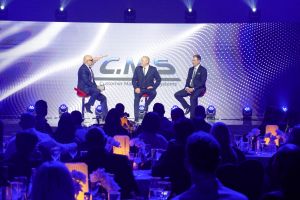
CMS Systems marks 25 years in automotive retail technology
CMS Systems is celebrating 25 years in business, marking a significant milestone for a company that has become a central player in automotive retail technology.
- Industry News
- 24 April 2026
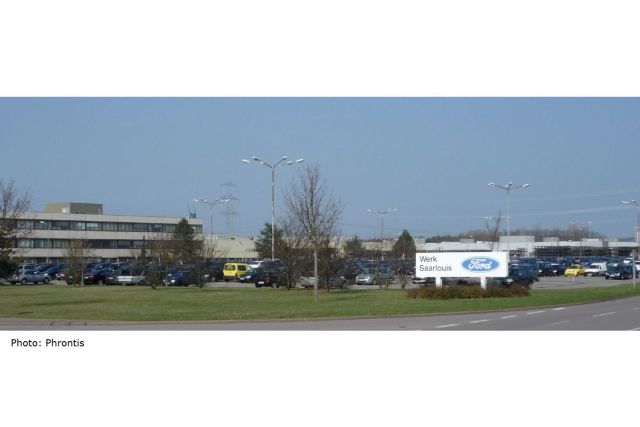
Ford has officially ceased production of its Focus with the last versions coming of the line at the Saarlouis plant in Germany, drawing to a close more than five decades of manufacturing history.
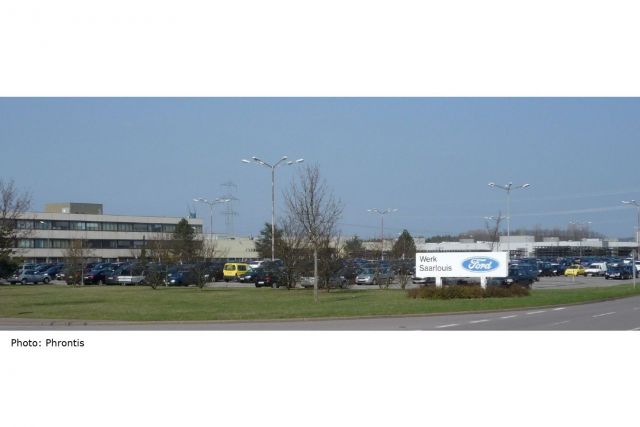
The final car, a Ford Focus, left the assembly line on 17 November, quietly marking the end of an era without any formal announcement from the company.
The Saarlouis factory first opened its doors in January 1970, beginning with the Escort. Over the years, it became a cornerstone of Ford’s European operations, producing a diverse line-up, including the Capri, Fiesta, Orion, C-Max and Kuga. In recent times, the plant was synonymous with the Focus, a model that has been a mainstay in Ford’s portfolio since 1998 and a direct competitor to the Volkswagen Golf. The site even played a role in Ford’s early electric ambitions, assembling the Focus Electric among other battery-powered variants.
Despite its reputation for efficiency and quality, Saarlouis lost out in Ford’s internal battle for future investment to the Valencia plant in Spain. Workers had agreed to significant concessions, including giving up bonuses and adopting flexible working patterns, but these sacrifices were not enough to secure new projects beyond the Focus.
Confusion surrounded the timing of the shutdown, initially scheduled for 21 November before being brought forward to the 17th. Meanwhile, Focus sales have been under pressure, with European deliveries falling to 51 617 units in the first nine months of the year, down from 67 820 in the same period last year. Despite this decline, the Focus remains Ford’s third-best-selling model in Europe, behind the Puma and Kuga.
The two final Focus cars will never be sold: one will be displayed in the Saarlouis municipal museum, and the other raffled among employees. Of the 2 700 staff currently employed, around 1 000 will remain in parts logistics, while 1 700 face redundancy at the end of November. At its peak, the plant employed more than 6 500 people.
Elsewhere, Ford’s Cologne facility, which produces electric models such as the Explorer and Capri, is also under strain amid a weakening demand for EVs, with job cuts expected next year. Although Ford has promised new investment and hinted at fresh models for Europe, its long-term strategy for petrol engines remains unclear. For now, the company’s strongest performance continues to come from its Transit range, built in Türkiye.
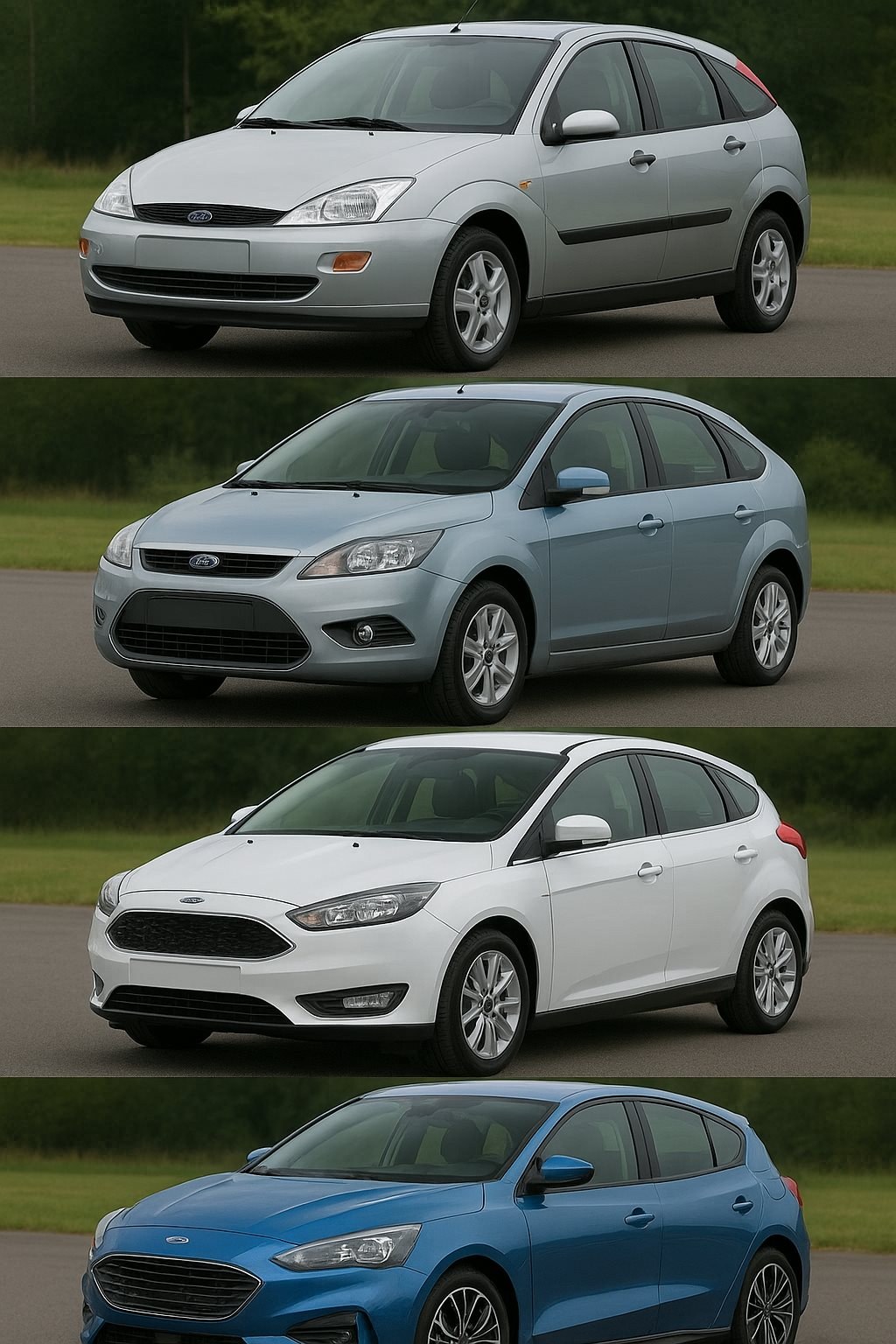
There have been four generations of the Ford Focus, spanning from 1998 to the present day. The fourth and final generation was produced from 2018 to 2025.
CMS Systems is celebrating 25 years in business, marking a significant milestone for a company that has become a central player in automotive retail technology.
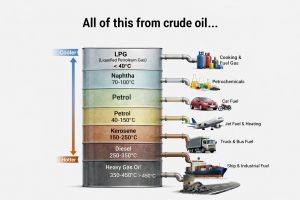
Oil prices jumped on Wednesday after Iran's seizure of container ships in the strait.
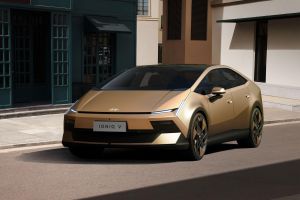
Hyundai Motor is preparing an aggressive comeback in China, unveiling plans to launch 20 new vehicles over the next five years as it tries to rebuild its position in the world’s largest car market.
 Advertisement
 Advertisement
You can't buy happiness but you can buy cars and that's kind of the same thing.
Unknown
CMS Systems is celebrating 25 years in business, marking a significant milestone for a company that has become a central player in automotive retail technology.
Oil prices jumped on Wednesday after Iran's seizure of container ships in the strait.
Hyundai Motor is preparing an aggressive comeback in China, unveiling plans to launch 20 new vehicles over the next five years as it tries to rebuild its position in the world’s largest car market.