Isuzu’s ambitious plans for truck manufacturing in South Africa
Isuzu Motors South Africa is positioning itself to become the primary manufacturing centre for commercial trucks across the African continent, a strategic move that could significantly boost production volumes while increasing the use of locally sourced components.
Share with friends
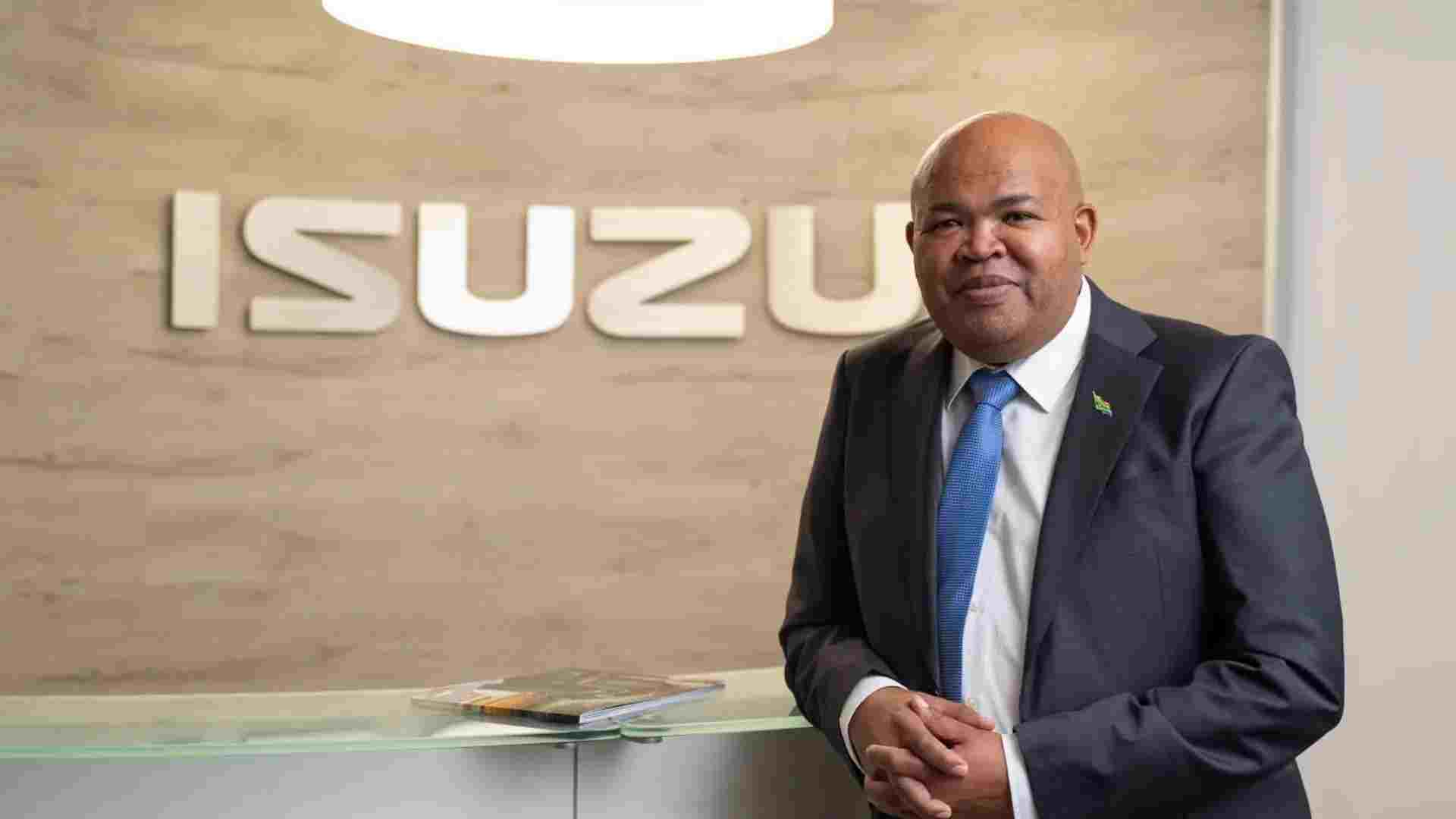
Billy Tom, the company's President and CEO, has been actively discussing this ambitious plan with headquarters in Japan.
The proposal represents a fundamental shift in manufacturing strategy. Rather than continuing to produce vehicles exclusively in Japan for African markets, Billy is advocating for expanded production capabilities at the existing South African facility. This approach would allow Isuzu to manufacture trucks directly within Africa, reducing logistics costs and potentially improving market responsiveness.
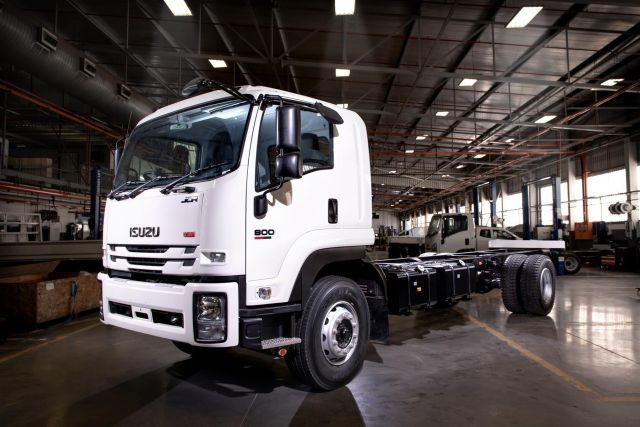
The company has already conducted successful trials for local truck manufacturing, including producing truck bodies domestically. Currently, many of these components are imported from suppliers in China and the Middle East. The South African plant already has substantial capabilities, manufacturing the popular D-MAX bakkies, assembling medium-heavy and extra-heavy commercial vehicles and importing the MU-X SUV for distribution throughout African markets.
Billy Tom (President and CEO).
While Isuzu's current truck exports to other African countries remain limited, the company has established a strong presence in the bakkie segment, exporting to over 30 African countries. Tom has identified West Africa as the initial target market for expansion, viewing it as a strategic entry point for broader continental growth.
The numbers tell a compelling story of Isuzu's African ambitions. Six years ago, African markets represented just 15 percent of the company's total volumes. This figure has grown to between 22 and 23 percent, with Billy setting an ambitious target of reaching 45 percent. This growth trajectory reflects both increasing demand across Africa and Isuzu's commitment to the continent.
The timing aligns with the African Continental Free Trade Area, which launched in 2021 with ratification from 49 countries. Although fewer than half the member states actively participate in the zero-tariff framework, the agreement presents significant opportunities for manufacturers like Isuzu to expand their continental reach more cost-effectively.
However, the broader South African automotive industry faces mounting challenges. Major manufacturers, including Volkswagen, Toyota and Mercedes-Benz, are grappling with increasing import competition, particularly from Chinese automakers. This pressure threatens local production volumes and employment in the sector.
The government's automotive masterplan sets ambitious targets, aiming for 60 percent local content by 2035, though current levels remain stagnant at 39 percent according to South Africa’s Trade and Industry Minister, Parks Tau. The plan also envisions producing between 1.3 and 1.5 million vehicles annually by 2035, nearly doubling current production of approximately 600,000 units.
Billy acknowledges the deindustrialisation threat facing South Africa's automotive sector, noting that import volumes continue growing. Currently, 64 percent of vehicles sold domestically are imports, prompting government officials to investigate the impact on local production through the international trade administration body.
For Isuzu, the continental manufacturing hub strategy represents both an opportunity and a necessity. By leveraging South Africa's established automotive infrastructure and skilled workforce; while taking advantage of preferential trade agreements across Africa, the company aims to strengthen its competitive position against growing import pressure while contributing to the continent's industrial development goals. - REUTERS
The Automobile Association of South Africa and Global NCAP have raised serious concerns following the crash test results of the previous generation Toyota Starlet, which received a zero-star rating for adult occupant protection in the latest #SaferCarsForAfrica campaign.
With the launch of what is believed to be the first South African app in ChatGPT, Naked is signalling how AI assistants could reshape financial services.
The Automobile Association of South Africa and Global NCAP have raised serious concerns following the crash test results of the previous generation Toyota Starlet, which received a zero-star rating for adult occupant protection in the latest #SaferCarsForAfrica campaign.
With the launch of what is believed to be the first South African app in ChatGPT, Naked is signalling how AI assistants could reshape financial services.
Mazda Southern Africa has promoted Kyron Pather to Head of Operations (Sales & Service). The appointment strengthens the company's operational leadership as it looks to improve performance across its dealer network and aftersales business.