This vision seeks to contribute to a prosperous and sustainable society through low-carbon, resource-efficient and environmentally responsible manufacturing and business practices.
“As a proud subsidiary of Isuzu Motors Limited, we have fully embraced the bold aspirations set out in the Environmental Vision 2050. Our operations in South Africa are not only aligned with these global ambitions, but are actively driving measurable progress through local innovation, accountability and strong environmental governance,” says Celestin Ndhlovu, Executive Vice President for Corporate Services at Isuzu Motors South Africa.
In addition, IMSAf has identified the reduction of greenhouse gas emissions and is working towards a net zero as one its key priorities. “This is in line with our global strategy, which seeks to mitigate the impact of Climate Change. Whilst achieving net zero is a huge challenge in South Africa, IMSAf is well on its way to making huge strides to achieve its 2030 objective through various optimisation initiatives.
“The impact of Climate Change has long shifted from being purely an environmental concern, to being a business risk issue. For this reason, we are working extremely hard to track our carbon footprint in order to craft a clear and purpose-driven mitigation plan,” Celestin adds.
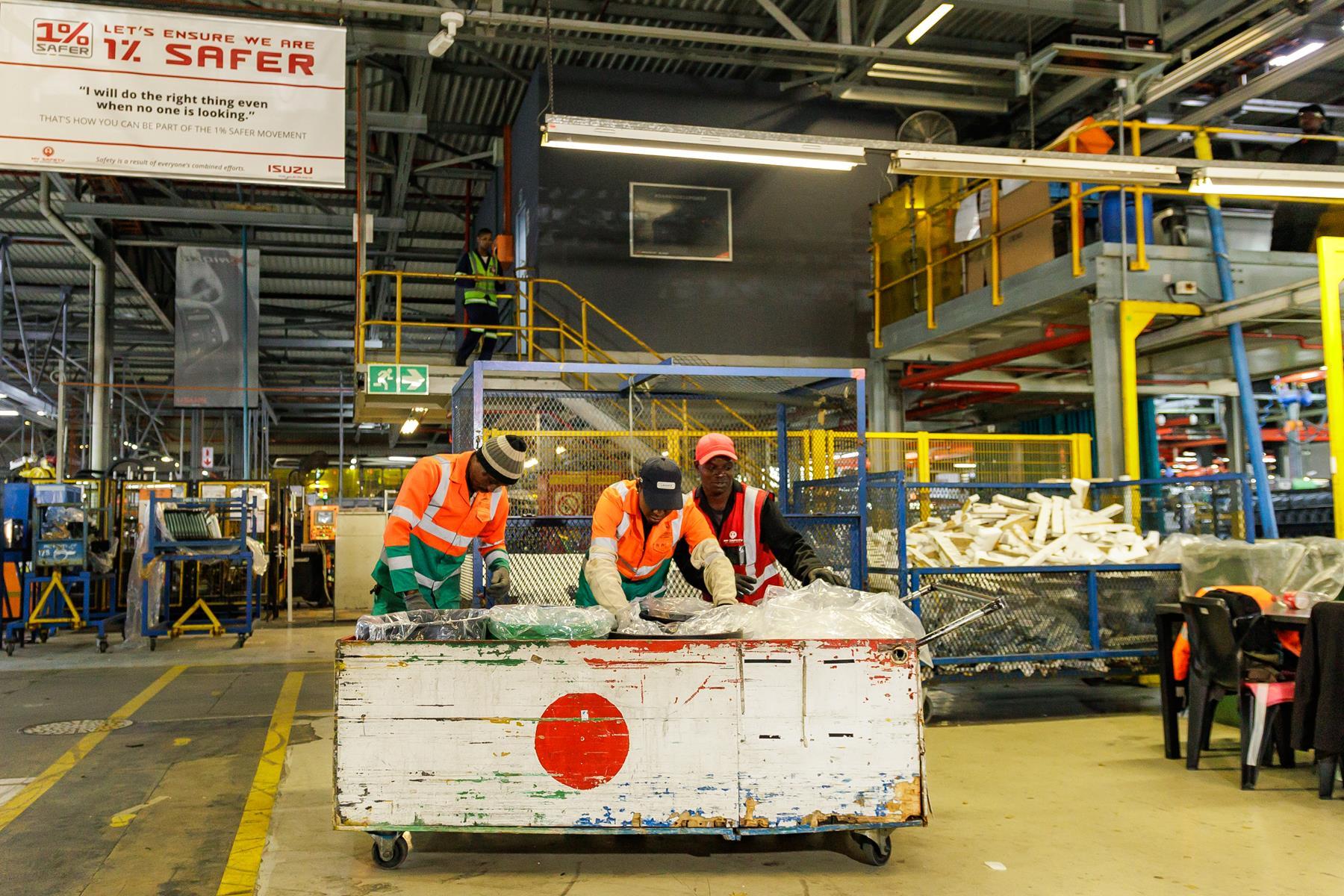
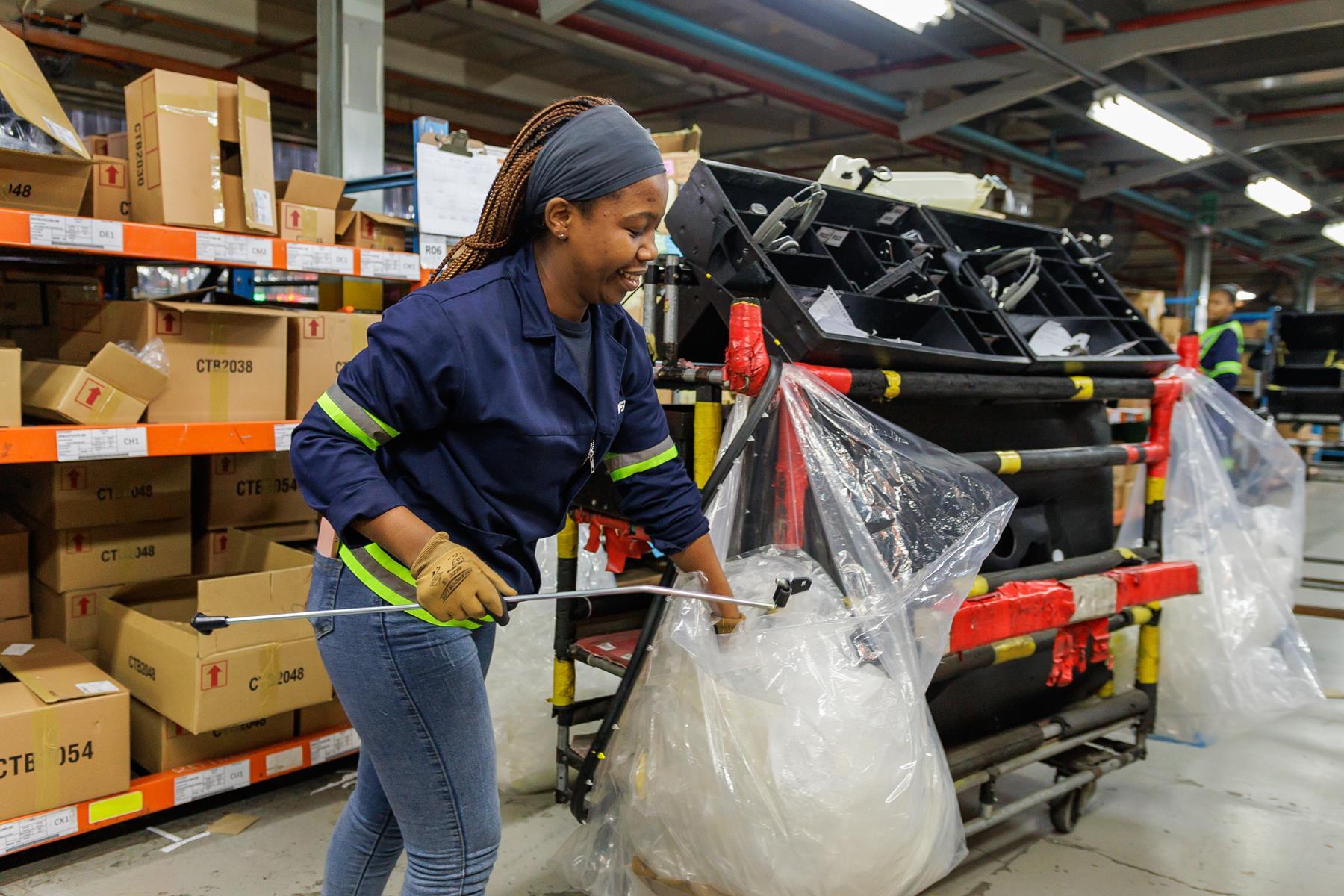
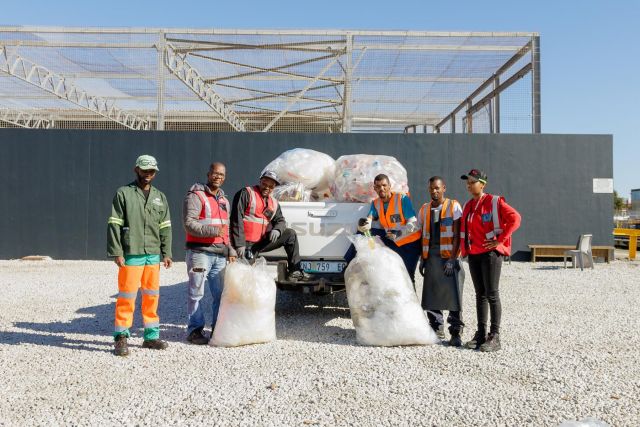
As part of realising the ambitious goals, IMSAf has embarked on a determined path to maintain its zero waste to landfill status, aligning with the 2050 target of advancing resource circulation and reducing the strain on local landfill sites.
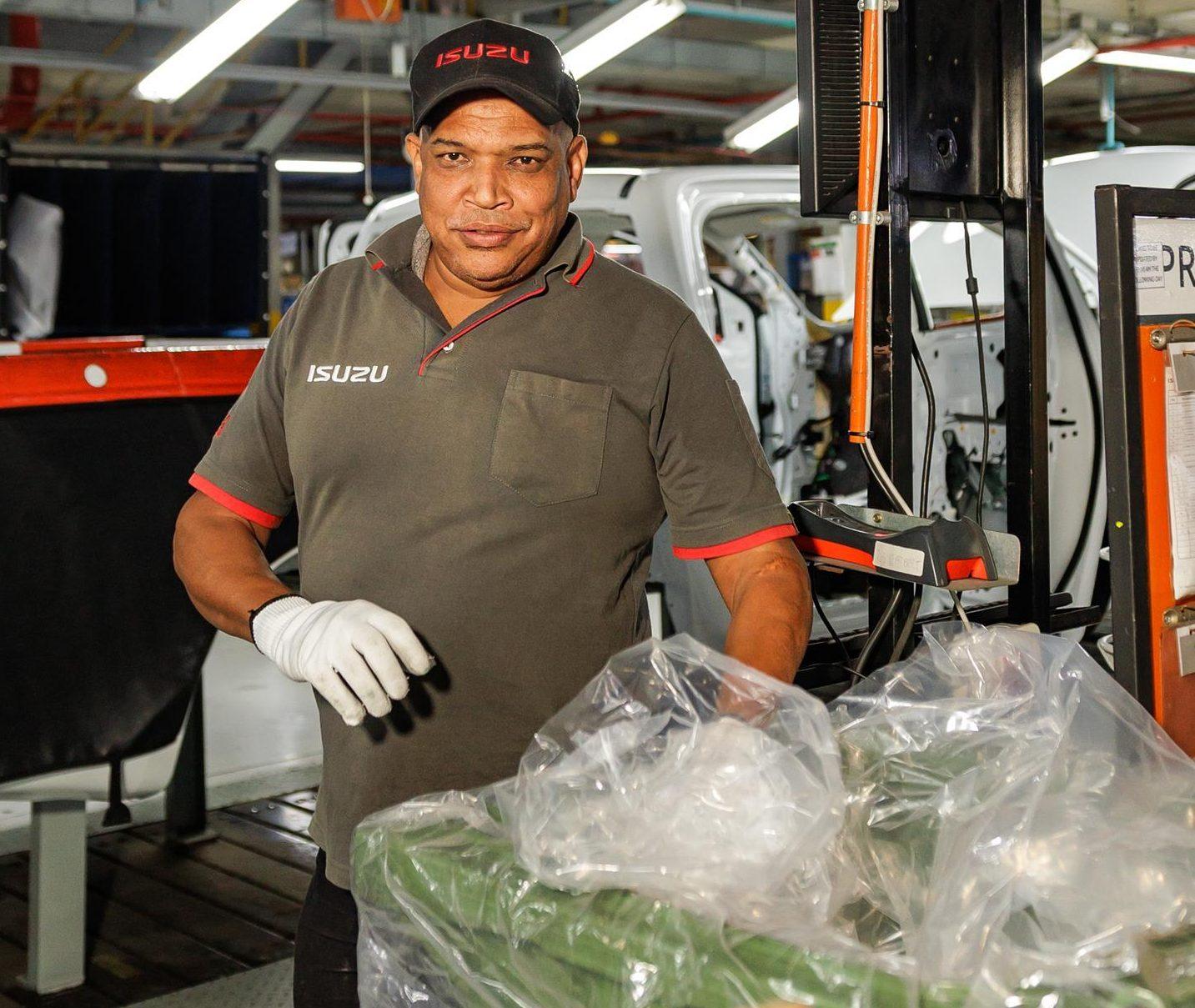
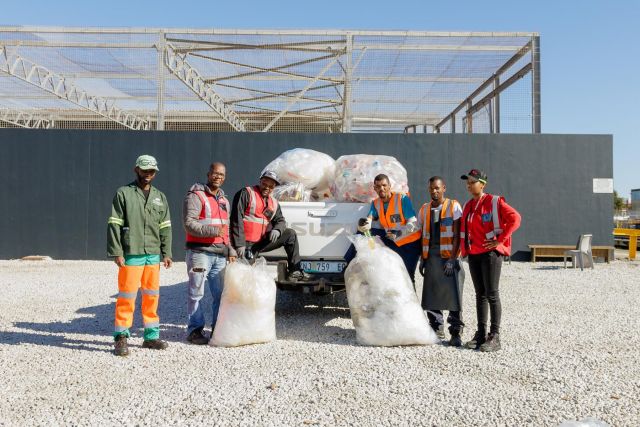
Through strict waste segregation processes, recycling and continuous staff engagement, IMSAf’s operations are minimising waste across all levels, from production to packaging and logistics. These efforts not only reflect the company’s commitment to sustainability but also contribute to regional waste reduction targets and environmental preservation.
As part of the drive to eliminate environmental risks and reduce resource consumption, IMSAf has adopted a model of a reusable container system for shipping and receiving automotive components. “This closed-loop logistics model drastically reduces reliance on single-use plastics and cardboard, cutting down on packaging waste and supporting circular economy principles,” Celestin says.
These containers move between ISUZU’s South African operations and global suppliers, reinforcing the organisation’s commitment to sustainable manufacturing across the full value chain.
A key enabler of this transformation is IMSAf’s ISO 14001-certified Environmental Management System (EMS), which governs environmental performance across the plant. The EMS ensures systematic tracking, auditing and continuous improvement of environmental processes — in line with both local legislation and ISUZU’s global environmental governance standards.
In addition to internal systems, IMSAf is committed to raising environmental awareness among its workforce and surrounding communities. The company supports local conservation initiatives and coastal clean-ups and also promotes employee participation in sustainability programmes that strengthen environmental responsibility at every level of the business.