Isuzu showcased just how economical its new 1.9 D-MAX 1.9 Ddi bakkie range is. A very relevant marketing experiment in today’s climate where the high price of fuel plays a decisive role when choosing your next set of wheels.
Share with friends
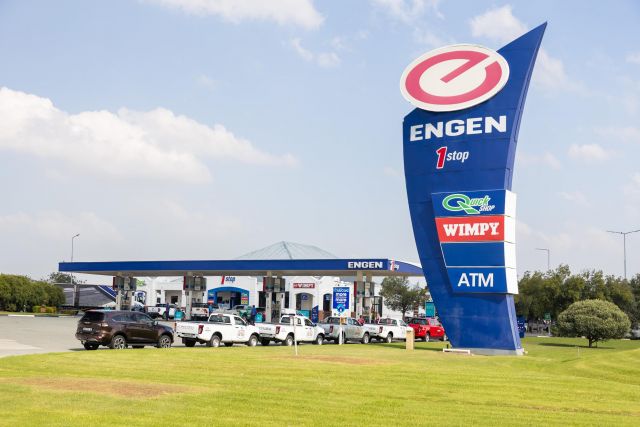
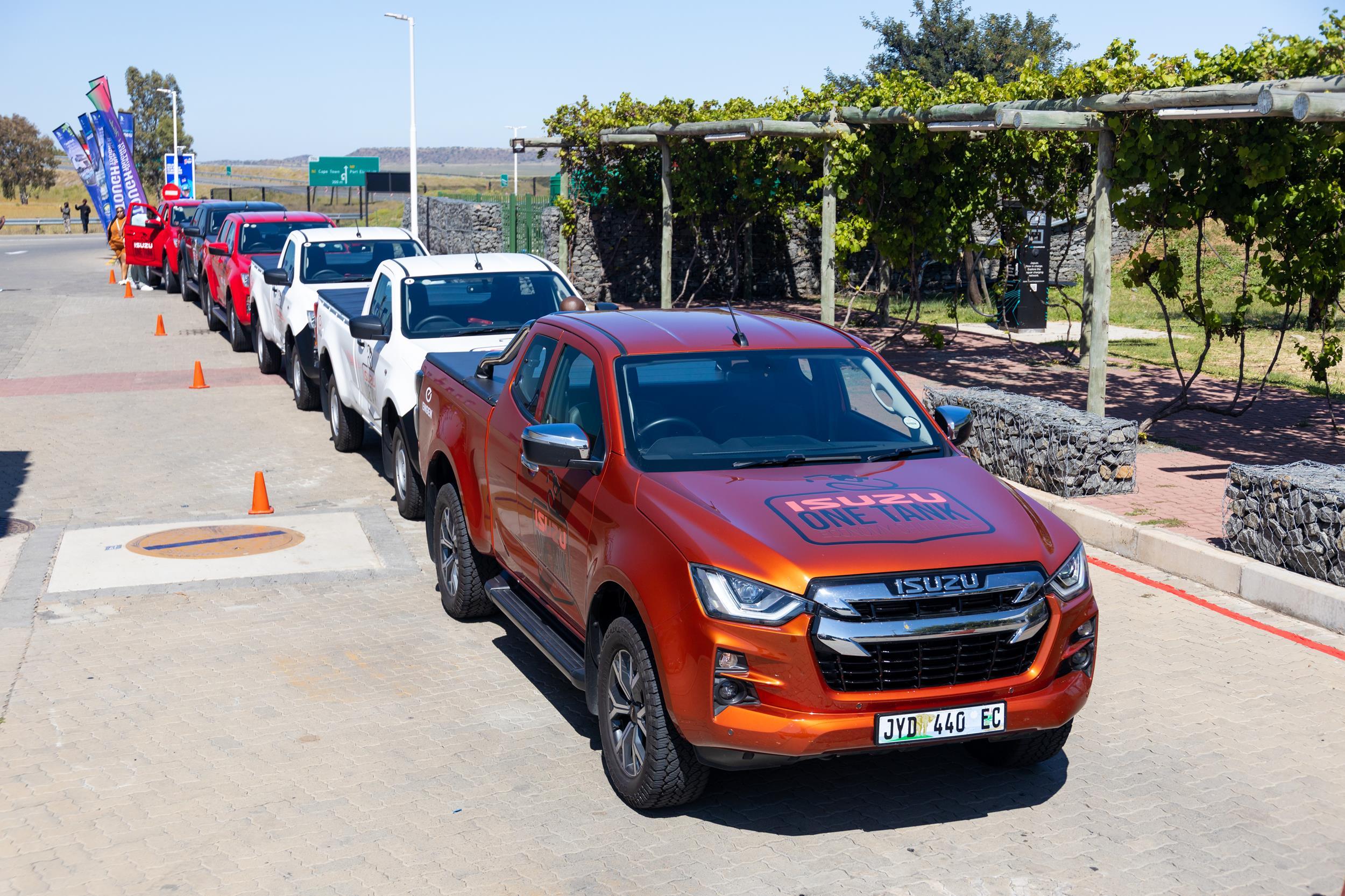
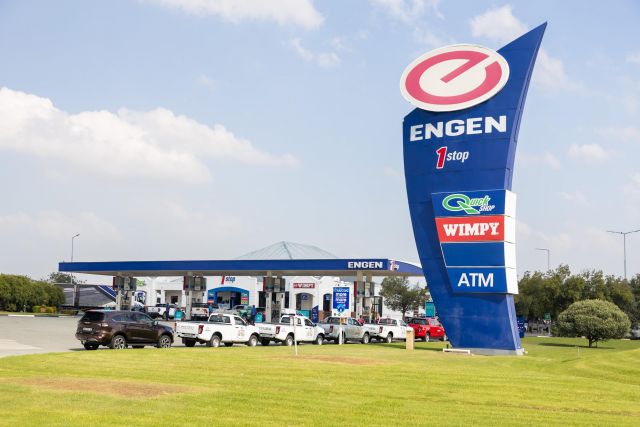
The One Tank Challenge trip set off at ISUZU’s Midrand offices with pit stops at the Engen 1 Stop Shops in Bloemfontein, Colesberg and Laingsburg. Both Isuzu SA and Engen SA participated in the challenge.
The journey featured 10 drivers (five driving pairs) who represented motoring journalists and influencers. Out of the 5 pairs, 4 made it to Cape Town Engen Winelands One Stop, while 3 were able to make it to the finish line at Signal Hill without needing an additional refill.
Driving with their aircon on and through flat and mountainous terrain, the trip covered 1 452 km. On average, the fuel consumption per 100 km was set at 5.58 litres, with Kilometres per litre clocking in at a median of 17.93 km/L.
In preparing for the challenging trip, renowned race driver and head of the Isuzu Driving Academy, Grant McCleery, mentioned that “vehicles were prepared in accordance with Isuzu SA’s specifications.
“The vehicle fuel and oil types were checked and ensured that they were at the right levels. Tyre pressures were inflated to the maximum recommended limit that the vehicles serviced as per the recommended service schedules.
“No wing mirrors, aerials or any other items were removed from the vehicles. The diesel fills were monitored and the tanks sealed under independent adjudication. Wheel balancing and alignment were checked to ensure that they were within the recommended specification,” Grant says.
Although the primary purpose of the Isuzu One Tank Challenge was to showcase the efficiency and utility of the D-MAX bakkie, the opportunity was to also use it to impart driving tips to drivers thus equipping them with the requisite skills to ensure that they were able to get the best performance and value from their vehicles.
The Kia Carens nameplate makes its return to South Africa, this time as a seven‑seater designed with families in mind. It combines Sport Utility Vehicle (SUV) styling with Multi-Purpose Vehicle (MPV) practicality, offering space, comfort and efficiency, Kia says.
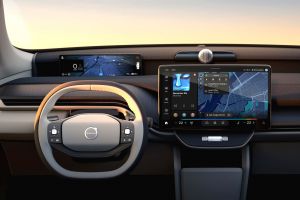
Volvo has confirmed that its vehicles will now integrate Google’s Gemini artificial intelligence system. This development builds on the company’s existing collaboration with Google, which already provides Android Automotive OS and Google services in Volvo models.
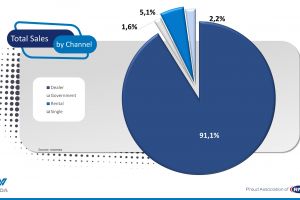
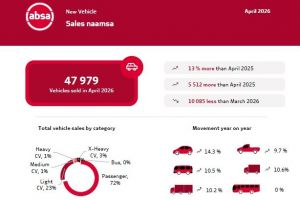
New vehicle sales in 2026 continued their positive trend in April, with the 47 979 units sold marking the best April figure since 2013. This represents a remarkable performance by local automotive retailers despite a host of economic headwinds and a challenging trading environment.
Volvo has confirmed that its vehicles will now integrate Google’s Gemini artificial intelligence system. This development builds on the company’s existing collaboration with Google, which already provides Android Automotive OS and Google services in Volvo models.
New vehicle sales in 2026 continued their positive trend in April, with the 47 979 units sold marking the best April figure since 2013. This represents a remarkable performance by local automotive retailers despite a host of economic headwinds and a challenging trading environment.
April 2026 marked a turning point in South Africa’s economic landscape, as global energy markets were jolted by escalating geopolitical tensions in the Middle East, according to naamsa | The Automotive Business Council.