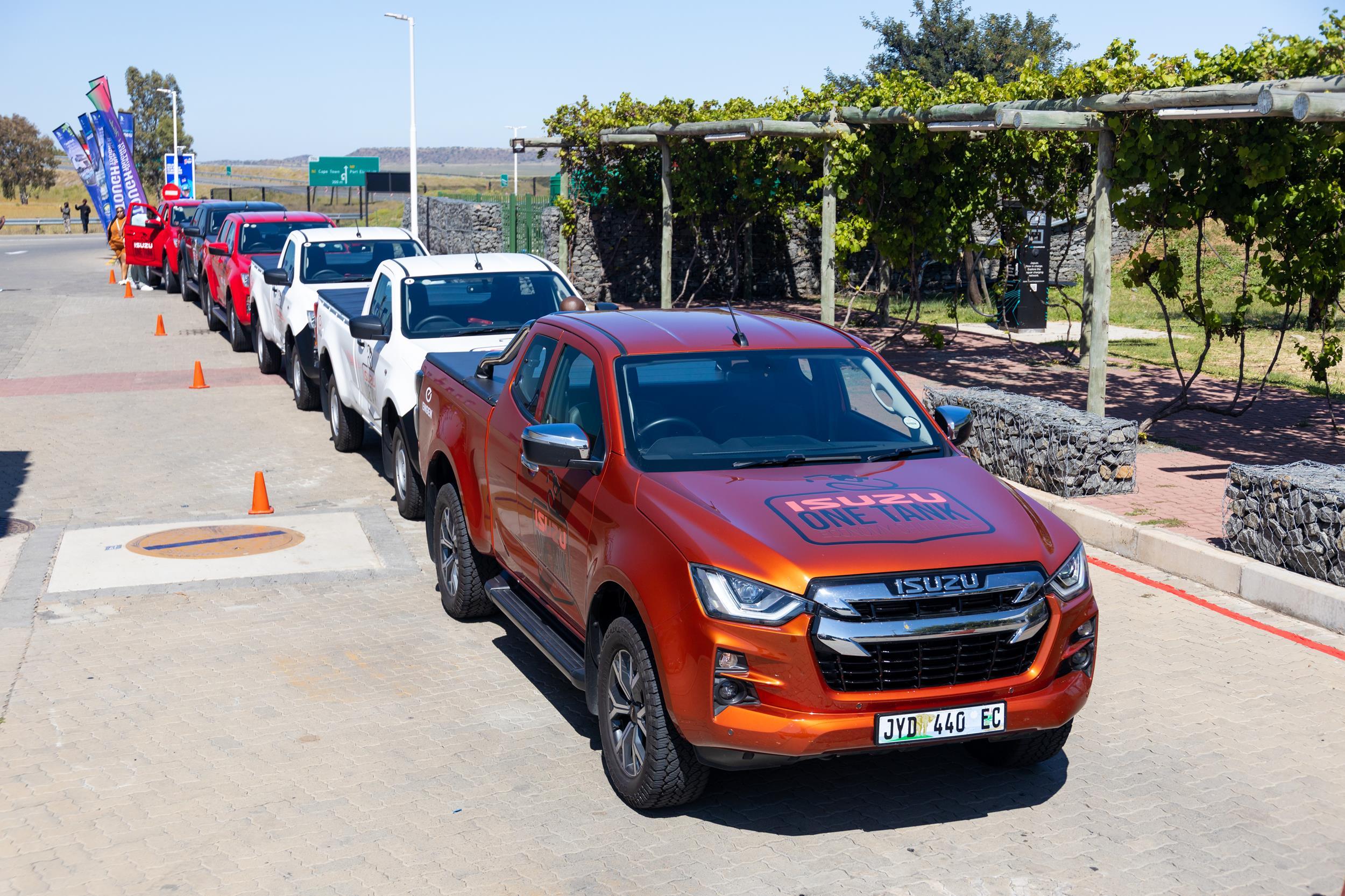
Isuzu showcased just how economical its new 1.9 D-MAX 1.9 Ddi bakkie range is. A very relevant marketing experiment in today’s climate where the high price of fuel plays a decisive role when choosing your next set of wheels.
Share with friends
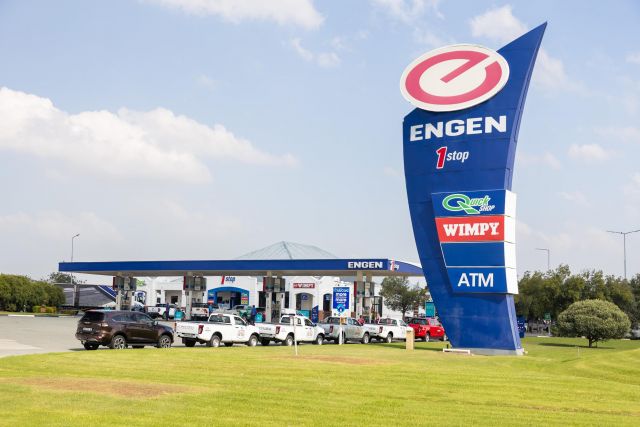
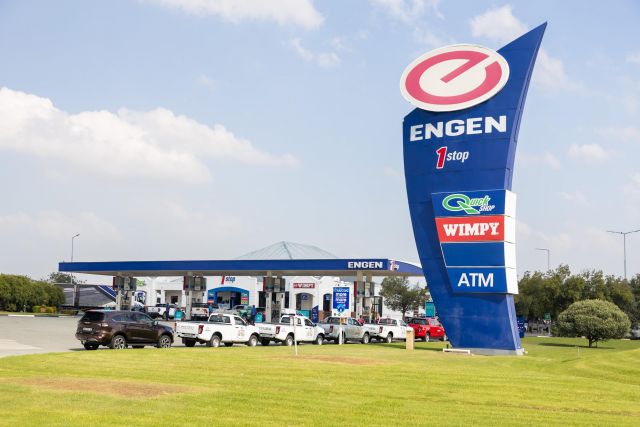
The One Tank Challenge trip set off at ISUZU’s Midrand offices with pit stops at the Engen 1 Stop Shops in Bloemfontein, Colesberg and Laingsburg. Both Isuzu SA and Engen SA participated in the challenge.
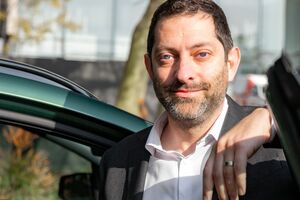
The journey featured 10 drivers (five driving pairs) who represented motoring journalists and influencers. Out of the 5 pairs, 4 made it to Cape Town Engen Winelands One Stop, while 3 were able to make it to the finish line at Signal Hill without needing an additional refill.
Driving with their aircon on and through flat and mountainous terrain, the trip covered 1 452 km. On average, the fuel consumption per 100 km was set at 5.58 litres, with Kilometres per litre clocking in at a median of 17.93 km/L.
In preparing for the challenging trip, renowned race driver and head of the Isuzu Driving Academy, Grant McCleery, mentioned that “vehicles were prepared in accordance with Isuzu SA’s specifications.
“The vehicle fuel and oil types were checked and ensured that they were at the right levels. Tyre pressures were inflated to the maximum recommended limit that the vehicles serviced as per the recommended service schedules.
“No wing mirrors, aerials or any other items were removed from the vehicles. The diesel fills were monitored and the tanks sealed under independent adjudication. Wheel balancing and alignment were checked to ensure that they were within the recommended specification,” Grant says.
Although the primary purpose of the Isuzu One Tank Challenge was to showcase the efficiency and utility of the D-MAX bakkie, the opportunity was to also use it to impart driving tips to drivers thus equipping them with the requisite skills to ensure that they were able to get the best performance and value from their vehicles.
Charging time remains a worry for many South Africans considering an electric vehicle, who still see it as a disruption rather than a quick stop at a filling station. That view is starting to shift.
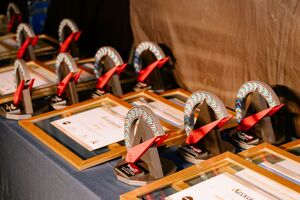
The winners of the 2026 Automotive Business Council | naamsa Accelerator Awards were announced at the recently held Auto Week 2026, which took place in eThekwini, KZN.
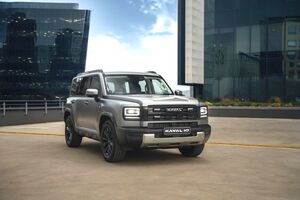
GWM has expanded its local SUV line-up with the introduction of the all-new Haval H7. Replacing the outgoing model, the newcomer blends boxy styling, advanced technology and a choice of petrol, hybrid and plug-in hybrid powertrains, giving buyers a versatile family SUV with genuine all-terrain credentials.
The winners of the 2026 Automotive Business Council | naamsa Accelerator Awards were announced at the recently held Auto Week 2026, which took place in eThekwini, KZN.
With the steep rise in fuel prices since March this year leading to historic record highs following massive increases in October, the government intervention annouched this week, is widely welcomed.
Most motorists will go their entire driving lives without deliberately pushing their vehicle to the limits of adhesion. Yet a sudden downpour, a patch of gravel, standing water or simply carrying too much speed into a bend can quickly expose the limits of a vehicle's grip.