
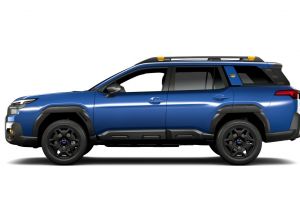
Subaru’s all-new Outback is getting ready for its local launch
Subaru’s all-new seventh-generation Outback has already begun building strong international momentum ahead of its arrival in the local market later this year.
- Product News
- 22 April 2026
The automotive sector is moving through one of the most transformative periods in its history, shaped by rapid advances in technology and shifting consumer priorities.
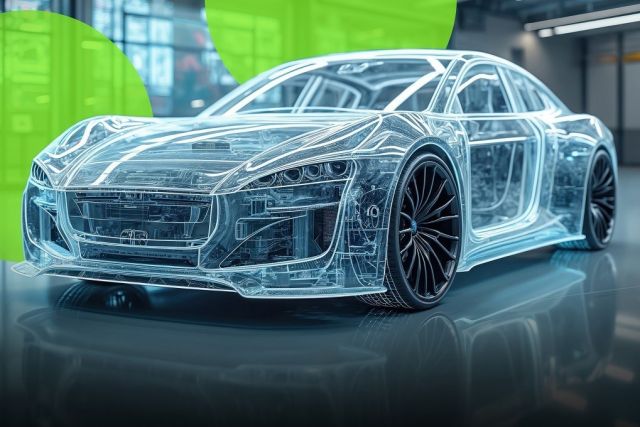
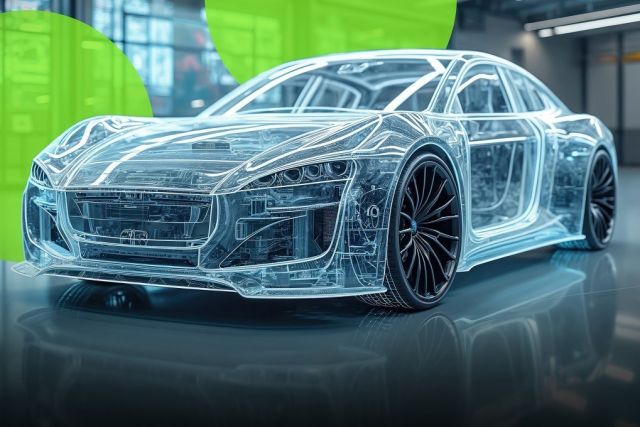
Deloitte’s 2026 Global Automotive Consumer Study reveals how people around the world are reassessing what they value in vehicles, brands, connectivity, and the overall ownership experience. The findings offer a clear signal: manufacturers must align innovation with trust, practicality, and genuine human needs if they hope to stay ahead.
1. Electrification splinters as hybrid popularity builds:
While interest in battery electric vehicles (BEVs) is still rising globally, demand is far from consistent across regions. In several markets, consumers are increasingly drawn to hybrid vehicles, which they see as a sensible midpoint between traditional engines and full electrification. Lower running costs continue to drive consideration of electrified options, yet worries about limited range, lengthy charging times, patchy public‑charging infrastructure, and long‑term battery reliability remain prominent.
Home charging is still the preferred choice for most intending electric vehicle (EV drivers, underlining continued reliance on personal charging access. Public charging costs also weigh heavily on consumer decisions, while confusion over who should ultimately manage end‑of‑life batteries reveals gaps in the wider electrification ecosystem that must be resolved as adoption accelerates.
2. Brand loyalty shifts shape a new competitive landscape:
Global brand loyalty is becoming far more fluid. Japan stands out for strong manufacturer loyalty, but markets with significant numbers of first-time car owners, such as China, India, and Southeast Asia, show far higher levels of intended brand switching. This trend places pressure on original equipment manufacturers (OEMs) to sharpen their value propositions, whether through product quality, reliability, or performance.
Across regions, buyers continue to turn first to dealership visits and manufacturer websites when researching vehicles. A fair price, clear information, and the ability to see and test the car in person remain decisive factors in the purchase journey, regardless of market maturity.
3. Safety-enhancing connectivity gains ground, but data doubts persist:
Consumers are warming to connected vehicle features, particularly those designed to improve safety and security. Systems such as emergency response functions, pedestrian detection, and anti‑theft tracking attract the strongest willingness to pay. Yet as vehicles become more technologically advanced, concerns about data privacy are growing just as quickly.
Information gathered from synced smartphones, in‑cabin monitoring systems, and live vehicle location services raises notable unease. These concerns underscore a fundamental issue: customers want reassurance that their personal data is being collected responsibly, used transparently, and safeguarded appropriately.
4. Software-defined vehicles rise as consumers welcome AI and OTA enhancements:
Artificial intelligence (AI) and software-enabled capability are reshaping expectations of what a modern vehicle should offer. Many consumers are open to AI that personalises their driving environment automatically, whether by adjusting comfort settings or adapting vehicle behaviour to their habits. Over‑the‑air (OTA) updates are also increasingly recognised for the value they add, enabling vehicles to receive new features, improved safety systems, and performance upgrades long after they leave the showroom.
As the concept of the software-defined vehicle (SDV) gains traction, many drivers say they would keep their cars for longer if such updates continued throughout ownership. For OEMs, this shift signals a growing opportunity to strengthen customer loyalty and expand long-term, software‑based revenue streams.
5. Trust, quality, and transparency remain central to the service experience:
Although technology is transforming the automotive world, consumers still place enormous emphasis on trust and quality when choosing a service provider.
Authorised dealerships remain the most common destination for servicing, though independent workshops maintain strong support in several markets. Clear communication, particularly around pricing and the work performed, remains essential to creating a positive service experience.
These preferences highlight that even as digital tools and automation become more prevalent, the human element in vehicle ownership continues to matter profoundly.
A sector defined by innovation, trust, and evolving expectations:
The 2026 Deloitte Global Automotive Consumer Study paints a picture of an industry at a crossroads. Electrification is progressing, albeit unevenly. Brand loyalty is shifting as new markets mature. Connected features are valued, but only when accompanied by transparent data practices. And as software increasingly defines vehicle capability, consumers expect ongoing improvements long after their purchase.
Ultimately, the message is clear: the next phase of mobility will belong to the manufacturers and mobility providers who pair technological advancement with trust, clarity, and genuine customer-centricity. Those who succeed will help shape not only the future of transport, but the expectations of the people who rely on it.
Subaru’s all-new seventh-generation Outback has already begun building strong international momentum ahead of its arrival in the local market later this year.
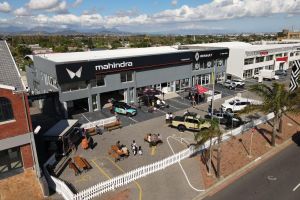
Motus Retail has officially opened its first dedicated Mahindra dealership in the Western Cape, located in Tygervalley. Martin Smit will lead the team as Dealer Principal.
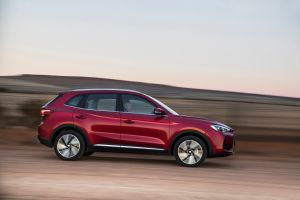
MG Motor South Africa has added two new models to its local range with the introduction of the MG3 hatchback and MG ZS Pro compact SUV or crossover.
 Advertisement
 Advertisement
Have you ever noticed that anybody driving slower than you is an idiot, and anyone going faster than you is a maniac?
George Carlin
We Buy Cars has continued its involvement in youth skills development, with a recent group of learners completing sponsored programmes in partnership with SA Business School.
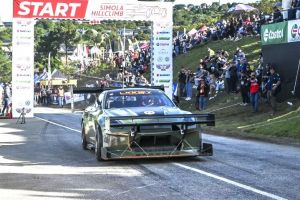
One of South Africa’s most popular motorsport events is just days away, with the Simola Hillclimb once again set to draw fans, competitors and manufacturers to the Garden Route.

Durban played host to a gathering that placed KwaZulu-Natal (KZN) firmly in the spotlight of South Africa’s automotive story.