
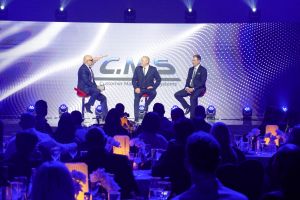
CMS Systems marks 25 years in automotive retail technology
CMS Systems is celebrating 25 years in business, marking a significant milestone for a company that has become a central player in automotive retail technology.
- Industry News
- 24 April 2026
What seemed like an ordinary factory in Dongguan has turned into a strategic flashpoint for the car industry. Nexperia, a Dutch semiconductor firm now owned by China’s Wingtech, produces low-cost chips that power basic vehicle functions, yet their sudden scarcity has shaken global supply chains.
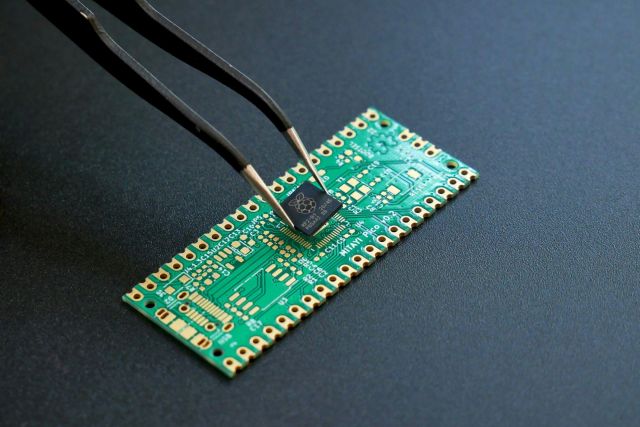
The automotive sector believed it had learned its lesson after the pandemic and after a Japanese plant fire disrupted chip supplies in 2020 and 2021. Plans were drawn up to secure advanced semiconductors, but few imagined that components worth a few cents could become a geopolitical bargaining chip.
The crisis began when the Dutch authorities moved to seize Nexperia’s headquarters over national security concerns. Beijing retaliated by suspending exports from the Pearl River Delta, where Nexperia’s chips are packaged. The result: production cuts at Nissan and Honda, and reduced hours at Bosch’s German facilities.
Industry insiders say the reliance on “just-in-time” logistics and minimal supplier diversification left carmakers exposed. Bosch, which spends hundreds of millions on Nexperia chips annually, had no immediate fallback. When sales resumed, Nexperia demanded payment in yuan, creating further complications and leaving stock stranded in China.
This episode underscores China’s leverage over more than rare earths and cutting-edge technology. Even mid-tier electronics can be weaponised. “If China wants to tighten its grip, it can, and there’s no easy escape,” warned Li Xing of the Guangdong Institute for International Strategies.
Some firms were better prepared. Toyota’s policy of stockpiling chips, introduced after the 2011 earthquake, helped it weather the storm. Others, like Nissan, admit that replacing fragile supply chains is slow and costly.
Substitution is not straightforward: these chips are often soldered directly onto components, meaning any alternative requires rigorous testing, which can take months. Suppliers such as Hella estimate qualifying replacements could stretch to a year.
Consultants argue that resilience comes at a price. Holding extra inventory and diversifying sources run counter to lean manufacturing principles. “Everyone talks about resilience,” said Alfredo Montufar-Helu of Ankura Consulting. “Then they see the cost.”
Exports have resumed following high-level talks, narrowly averting shutdowns at major suppliers. But the warning is clear: in an era of geopolitical tension, even the cheapest parts can bring global industries to a standstill.
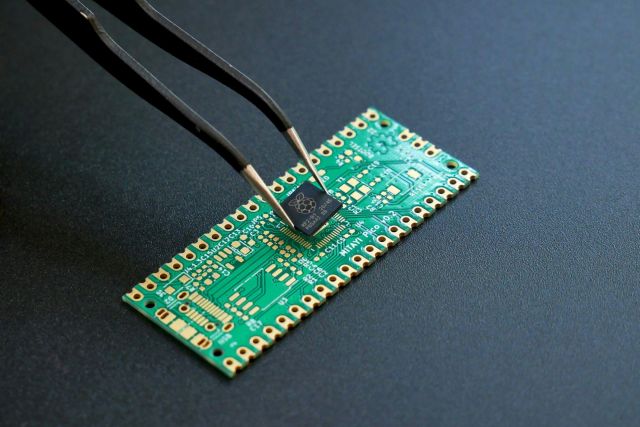
CMS Systems is celebrating 25 years in business, marking a significant milestone for a company that has become a central player in automotive retail technology.
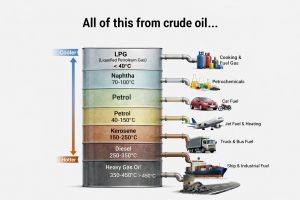
Oil prices jumped on Wednesday after Iran's seizure of container ships in the strait.

Hyundai Motor is preparing an aggressive comeback in China, unveiling plans to launch 20 new vehicles over the next five years as it tries to rebuild its position in the world’s largest car market.
 Advertisement
 Advertisement
Have you ever noticed that anybody driving slower than you is an idiot, and anyone going faster than you is a maniac?
George Carlin
CMS Systems is celebrating 25 years in business, marking a significant milestone for a company that has become a central player in automotive retail technology.
Oil prices jumped on Wednesday after Iran's seizure of container ships in the strait.
Hyundai Motor is preparing an aggressive comeback in China, unveiling plans to launch 20 new vehicles over the next five years as it tries to rebuild its position in the world’s largest car market.