

Lexus TZ electric SUV revealed
Lexus has introduced the all new TZ, a fully electric three row SUV that marks a significant step in the brand’s electrification strategy.
- Product News
- 14 May 2026
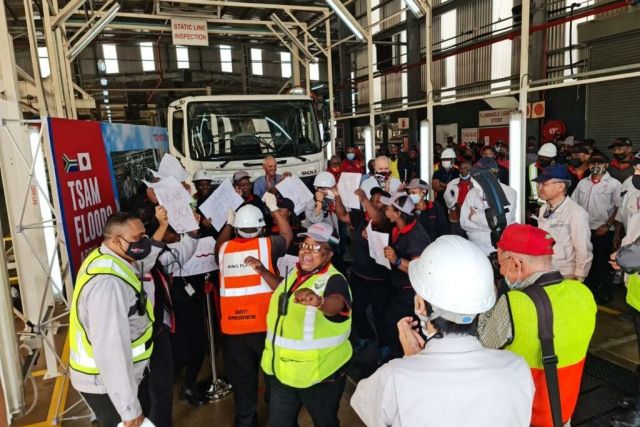
Production at Toyota’s plant at Prospecton in Durban is slowly but surely getting back to normality.
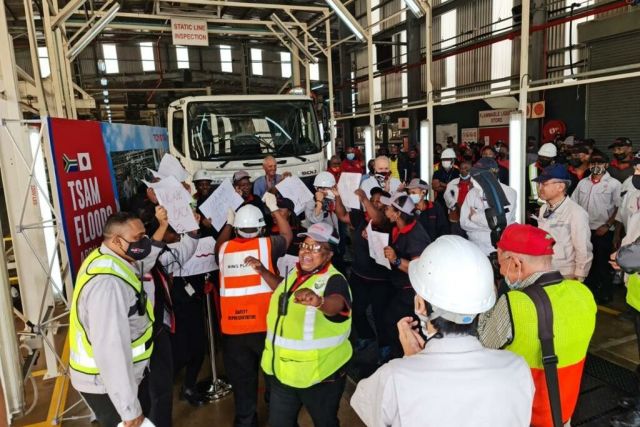
On the Hino truck side, production is already ramping up to its required output rate after restarting production on 23 May following an enforced shutdown of 40 days resulting from extensive damage caused by the floods that hit KwaZulu-Natal on 11 April.
“This was a wonderful reward for a Herculean effort by a dedicated team, which included three specialists from Hino Motors in Japan who had prior experience in cleaning up and putting into operation factories damaged by tsunamis in Japan,” commented Ernie Trautmann, Vice President of Hino SA.
A total of 78 built-up trucks or completely knocked down kits of components were unsalvageable and will be scrapped and destroyed so that none of these compromised vehicles get to market.
Most of the damage was caused by a wall of water and silt that came down the river next to the plant when the sluices at the overfull Shongweni Dam were opened. The existing canals and drains could manage the initial downpour of rain and also proved effective when the second torrent of heavy flooding hit KZN on May 21.
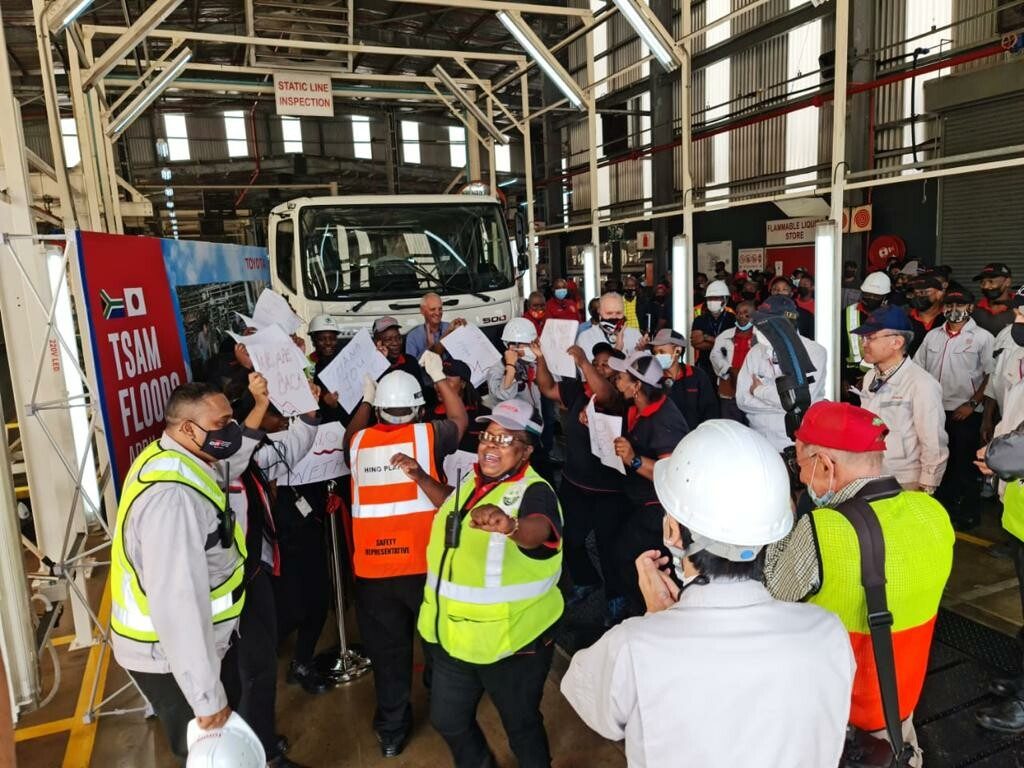
Cleaning the mud and fine silt from the many pieces of electronic and mechanical equipment in the various production plants has proved to be extremely time-consuming, and the Toyota passenger car and light commercial vehicle production lines are still not operational.
None of the suppliers to the Hino plant were affected, whereas many suppliers supporting the car and LCV plant also suffered extensive damage to their plants and equipment.
Hino lost approximately 550 vehicles out of scheduled production, but the management team is confident they will be able to make up this shortfall by year end.
About 100 assembly line workers went home for the first week after the floods and then returned to the plant in batches during the following weeks to assist in the flood-recovery programme.
“Keeping our customers fully aware of developments in terms of when they could expect delivery of trucks already ordered or when production was expected to restart was a priority for our sales and marketing team.
“We have found our customers to be most understanding of our plight in these challenging times, and we are expediting the process to ensure delivery as soon as possible,” concluded Ernie.
Lexus has introduced the all new TZ, a fully electric three row SUV that marks a significant step in the brand’s electrification strategy.

Ford South Africa will expand its Everest line-up in late 2026 with the arrival of the Everest Tremor. This new variant is positioned as a more off-road capable model, building on the success of the Ranger Tremor while retaining the refinement expected from the Everest range.

Mazda Southern Africa has promoted Kyron Pather to Head of Operations (Sales & Service). The appointment strengthens the company's operational leadership as it looks to improve performance across its dealer network and aftersales business.
 Advertisement
Advertisement
Advertisement
I have bad reflexes. I was once run over by a car being pushed by two guys
Woody Allen
Mazda Southern Africa has promoted Kyron Pather to Head of Operations (Sales & Service). The appointment strengthens the company's operational leadership as it looks to improve performance across its dealer network and aftersales business.
Nampo Harvest Day near Bothaville in the Free State has always been the place where South Africa’s farming community gathers to see the latest machinery and, importantly, new bakkies.

Two leading Springbok rugby players, Aphelele Fassi and Jordan Hendrikse, have taken delivery of their new Nissan Navara Pro4X bakkies in Durban.