
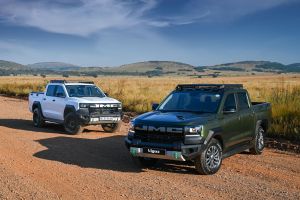
New JMC Vigus will make an impression
Following the official brand re-launch by the Salvador Caetano Group, JMC South Africa announce the arrival of the All-New JMC Vigus.
- Product News
- 17 April 2026
South Africa’s motorists and automotive sector are facing a fresh layer of uncertainty as the Middle East conflict continues to disrupt global oil markets, but for now the country’s fuel supply remains stable even as costs rise.
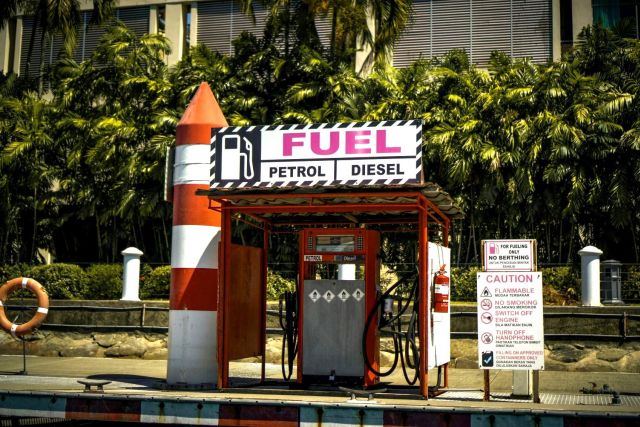
The biggest immediate risk to South Africa is not a physical shortage of fuel at service stations, but a sustained rise in the landed cost of crude oil, refined products and shipping.
South Africa imports the bulk of its crude oil and refined petroleum needs, making it highly exposed to supply disruptions in the Gulf, particularly through the Strait of Hormuz, which normally carries about a fifth of global oil and LNG trade. Reuters reported that around 13 million barrels a day of oil flows have been disrupted, while Brent crude has again climbed towards 100 dollars a barrel.
That matters directly for South Africa because the country’s fuel pricing model is import based. Local pump prices are determined largely by international product prices and the rand dollar exchange rate. Even if supply remains available, South Africans still pay more when replacement cargoes cost more.
Fuel supply remains stable for now:
The reassuring part is that South Africa is not currently facing a fuel supply emergency. The Fuels Industry Association of South Africa said in a late March update that national supply remains stable, with adequate availability of all major petroleum products.
Imports for May and June were already arranged, and the industry said no widespread disruptions were expected. However, it warned that diesel supply is tighter than petrol, particularly because of refinery maintenance and elevated import dependence.
This distinction is important. Diesel is the fuel that keeps much of the economy moving, from freight trucks and farming equipment to mining operations and backup generators. A prolonged disruption in Middle Eastern exports or tanker movements would likely hit diesel first through higher prices and tighter supply margins.
Fuel price pressure likely in May:
For consumers, the most visible impact is likely to be another fuel price increase in May. Because South Africa’s monthly fuel price is based on the average oil price and exchange rate over the pricing cycle, April’s higher prices will still feed through to next month’s adjustment.
If Brent remains around current levels and the rand stays under pressure, a petrol increase of between R1.50 and R3 a litre in May is realistic. Diesel could rise more sharply, potentially by between R2.00 and R4 a litre, depending on wholesale replacement costs. This is just an estimate based on current market conditions rather than an official forecast. The risk is higher if disruption through Hormuz drags on.
And one should not forget that the government’s cut of R3 per litre for April was just temporary, but speculation is that the state could extend that to May and even June although we still wait for the final decision.
What to watch in the coming weeks:
Key short-term risks include:
Over the next two to three months, broader risks include:
Automotive sector faces rising cost pressure
On the automotive side, there is no evidence yet of a major immediate disruption to vehicle imports into South Africa. Most vehicle imports come from Asia, Europe and India, while local exports move mainly through Durban, Gqeberha and East London.
South African ports have in fact improved vehicle throughput over the past year, with nearly 800 000 fully built vehicles handled between April 2025 and mid-February 2026.
However, the automotive supply chain is still vulnerable in three ways.
First, shipping costs could rise if Red Sea and Gulf routes remain disrupted.
Second, many automotive components, plastics, chemicals and industrial inputs are linked to petrochemicals sourced directly or indirectly from the Middle East. If oil prices remain high, manufacturers will face added cost pressure.
Third, higher fuel prices tend to reduce showroom traffic, especially for bakkies, SUVs and larger vehicles.
Refined fuels are South Africa’s biggest risk:
The clearest official and industry backed picture is that South Africa’s biggest exposure to the Gulf crisis is in refined fuels, especially diesel and petrol, rather than crude oil. South Africa has lost much of its domestic refining capacity in recent years, so it imports large volumes of finished petrol and diesel.
According to defenceWeb, South Africa imports roughly 90 percent of its crude oil and petroleum product needs, but most of its crude oil for local refining now comes from West Africa. About 60 to 70 percent of refined fuels, including diesel, petrol and gas, are exposed to what is happening in the Gulf.
Crude oil:
Data indicates that:
The bottom line is that South Africa is not highly dependent on Gulf crude in percentage terms, so the crude supply risk is manageable for now.
Diesel:
Diesel is the biggest concern. Key Gulf suppliers to South Africa are:
This leaves the combined Gulf share of South Africa’s diesel imports at about 57%. Diesel powers commercial vehicles, mining, farming and backup generators. More than half of imported diesel is directly exposed to Gulf disruptions, making it South Africa’s biggest short term energy vulnerability.
Petrol:
Key Gulf suppliers of petrol to South Africa are:
This means close to half of the country’s petrol imports are linked to the Gulf. Although petrol is slightly less exposed than diesel, the risk remains high enough to be a major concern if disruptions continue.
The bigger picture:
South Africa’s immediate threat from the Middle East crisis is higher fuel and logistics costs rather than shortages. For motorists, May is likely to bring more pain at the pump.
For the automotive sector, the bigger risk is cumulative: higher operating costs, weaker consumer demand and a tougher trading environment.
For now, supply remains stable. The bigger question is how long the Gulf disruption lasts, and how quickly South Africa can cushion itself against higher global energy costs.
Photo: Unsplash.
Following the official brand re-launch by the Salvador Caetano Group, JMC South Africa announce the arrival of the All-New JMC Vigus.

Jetour South Africa hosted its inaugural Dealer of the Year Awards on Tuesday night, bringing together its national dealer network of nearly 60 dealerships.

Stellantis has struck a five year strategic partnership with Microsoft as it accelerates its shift towards software defined vehicles and digital services.
 Advertisement
 Advertisement
I have bad reflexes. I was once run over by a car being pushed by two guys
Woody Allen
Stellantis has struck a five year strategic partnership with Microsoft as it accelerates its shift towards software defined vehicles and digital services.

Auto China 2026 marks another milestone in the evolution of an event that has tracked China’s rise from emerging market to global automotive powerhouse.

Isuzu Motors South Africa (IMSAf) has announced the appointment of Takashi Nishida as its new Chairman (Non-Executive Director), effective 1 April 2026.