
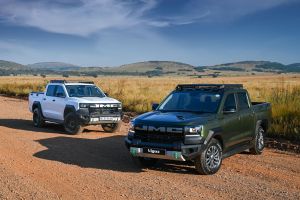
New JMC Vigus will make an impression
Following the official brand re-launch by the Salvador Caetano Group, JMC South Africa announce the arrival of the All-New JMC Vigus.
- Product News
- 17 April 2026
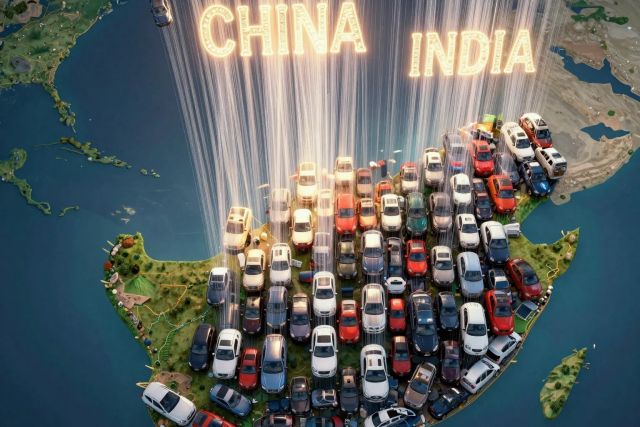
South Africa needs to strike a balance between protecting its automotive manufacturing against the devastating impact from the influx of Chinese and Indian vehicle brands on the one hand, without hampering the positive growth of its retail motor industry on the other.
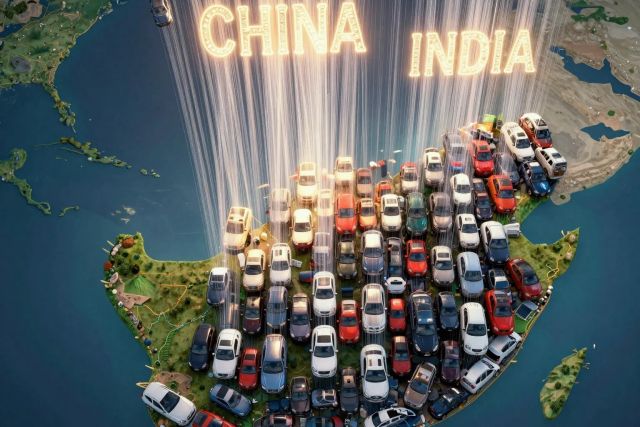
MISA, the Motor Industry Staff Association, representing more than 75 000 members in the retail motor industry, welcomes the Department of Trade, Industry and Competition's internal review to assess potential measures to protect the automotive industry, but believes this should not be done to the detriment of the retail motor industry.
"It is late in the game for the South African Government to consider imposing tariffs of up to 50% on vehicles from China and India. Government should look at the entire economy and equally support the retail motor industry where these brands have been creating jobs," says Martlé Keyter, MISA's Chief Executive Officer: Operations.
MISA believes that Government should focus on encouraging Chinese and Indian brands to invest in manufacturing vehicles, parts and components locally to create more job opportunities.

Earlier this week MISA welcomed Chery's investment in South Africa with the acquisition of Nissan's production plant in Rosslyn, Pretoria, which will offer employment to most of Nissan's affected employees and supporting supply chain.
MISA has repeatedly urged new Chinese and Indian brands, entering the country in 2025, to invest in establishing bigger dealership networks that will create jobs for employees negatively impacted by the closure of non-performing dealerships of traditional brands.
"The influx of Chinese and Indian brands stimulated the local market and created massive competitiveness. The result, new vehicle sales records for three consecutive months at the end of 2025, not only surpassing pre-pandemic levels for the first time but also reaching highs not seen in a decade," says Martlé.
Following the official brand re-launch by the Salvador Caetano Group, JMC South Africa announce the arrival of the All-New JMC Vigus.
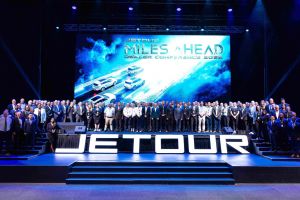
Jetour South Africa hosted its inaugural Dealer of the Year Awards on Tuesday night, bringing together its national dealer network of nearly 60 dealerships.

South Africa’s motorists and automotive sector are facing a fresh layer of uncertainty as the Middle East conflict continues to disrupt global oil markets, but for now the country’s fuel supply remains stable even as costs rise.
 Advertisement
 Advertisement
Have you ever noticed that anybody driving slower than you is an idiot, and anyone going faster than you is a maniac?
George Carlin
South Africa’s motorists and automotive sector are facing a fresh layer of uncertainty as the Middle East conflict continues to disrupt global oil markets, but for now the country’s fuel supply remains stable even as costs rise.

Stellantis has struck a five year strategic partnership with Microsoft as it accelerates its shift towards software defined vehicles and digital services.
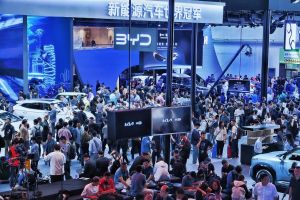
Auto China 2026 marks another milestone in the evolution of an event that has tracked China’s rise from emerging market to global automotive powerhouse.